Sensational plating Pectinia colonies ready to further the chalice coral craze

By on Oct 31, 2012

pectinia coral

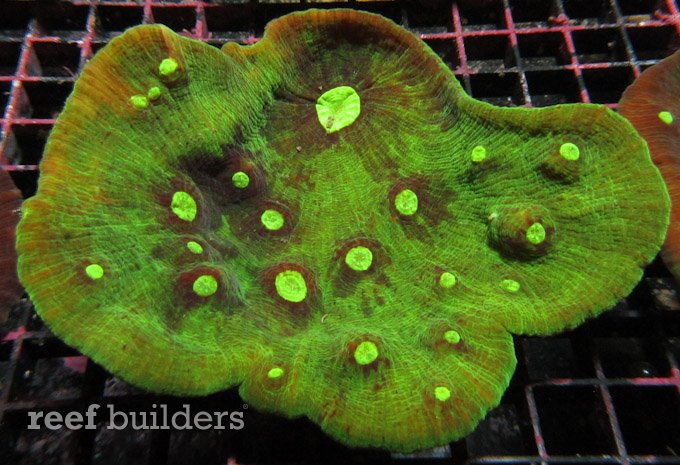
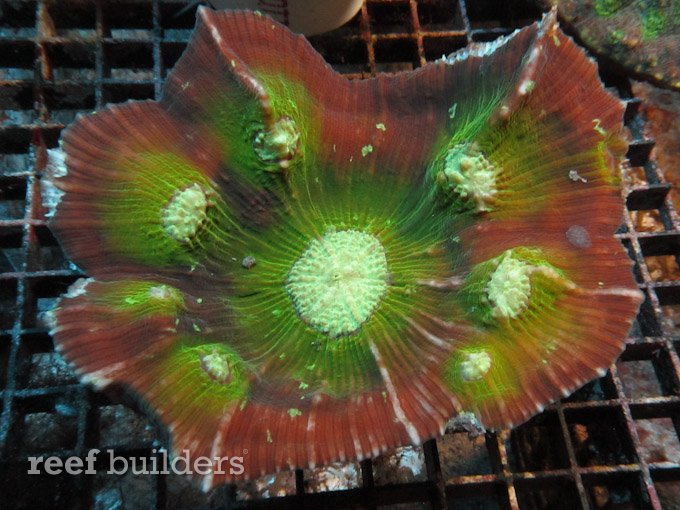
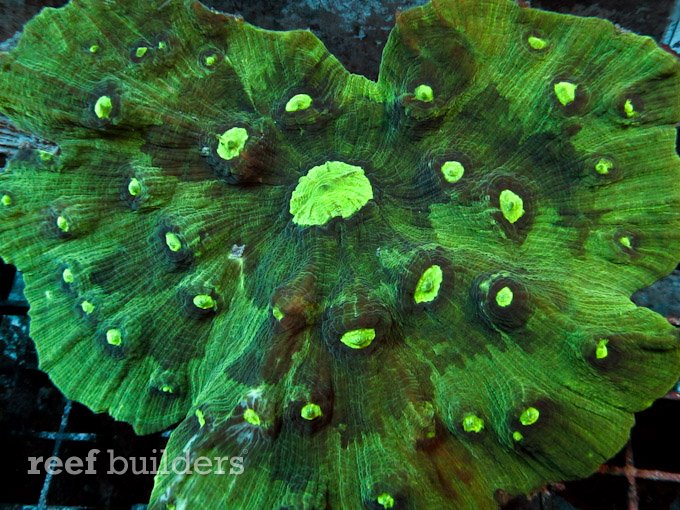
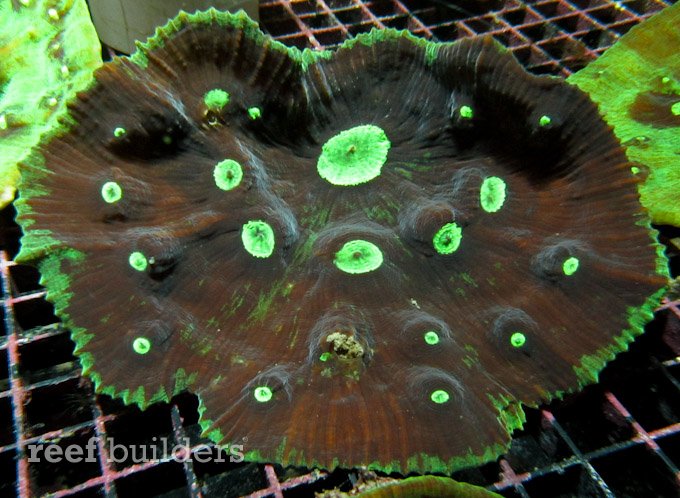
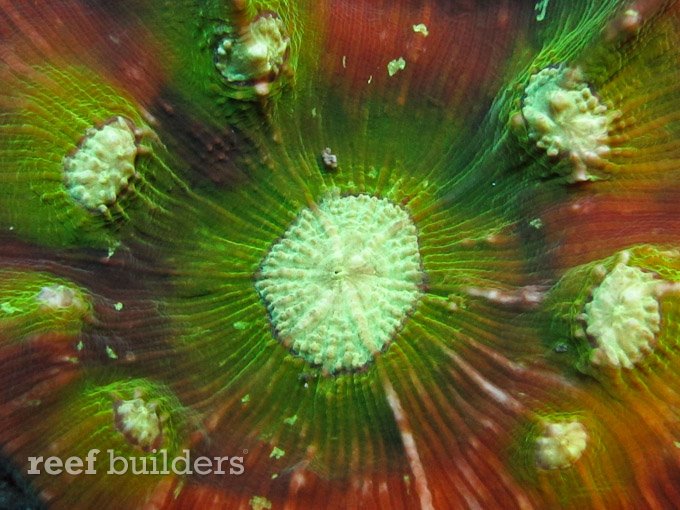
A huge primary central corallite is a distinguishing feature of most of these incredible plating Pectinia colonies

Pectinia is one of the most overlooked coral genera of all the LPS stony corals and for good reason too. Until recently all the Pectinia that were collected for the aquarium trade were brown, grey or greenish with boring shapes and wicked sweeper tentacles. Only about one colony in a hundred Pectinia showed any kind of potential coloration on the same level as the infamous Space Invader Pectinia.

Earlier this year Greenwich Aquaria tipped us off to some fantastic plating Pectinia corals from Sulawesi which singlehandedly put this coral genus on the map of serious coral reefers. All year long we’ve been seeing more and more of the colonies of Pectinia plates but while touring South Florida last week we got a sweet look at a whole crop of juicy brilliant plating Pectinia at Miami wholesaler Global Oceanic Life

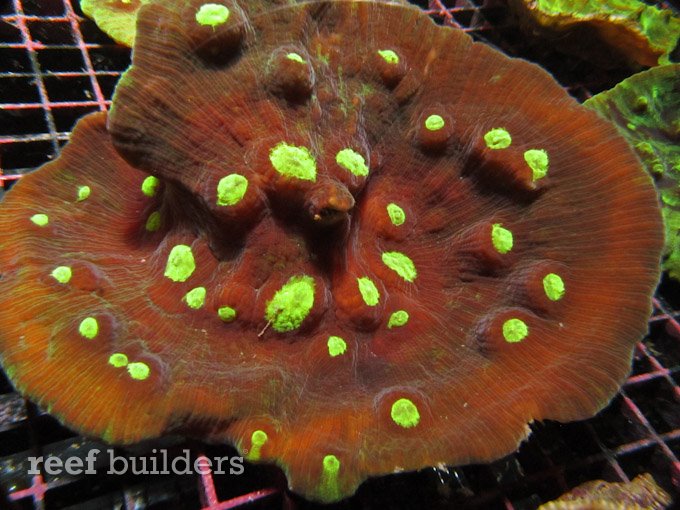
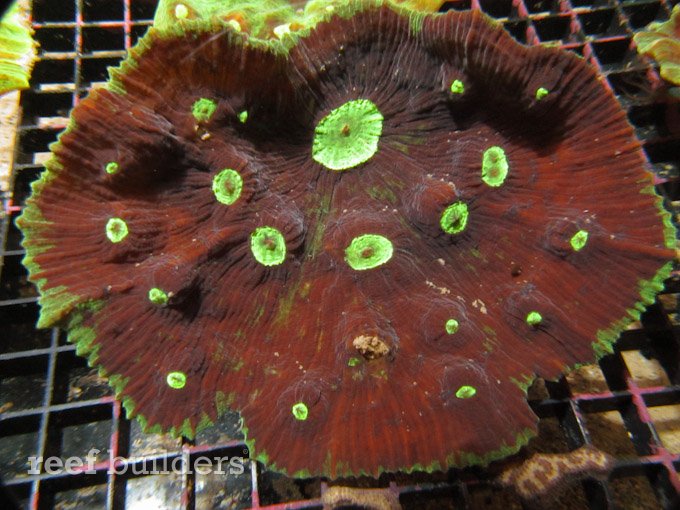
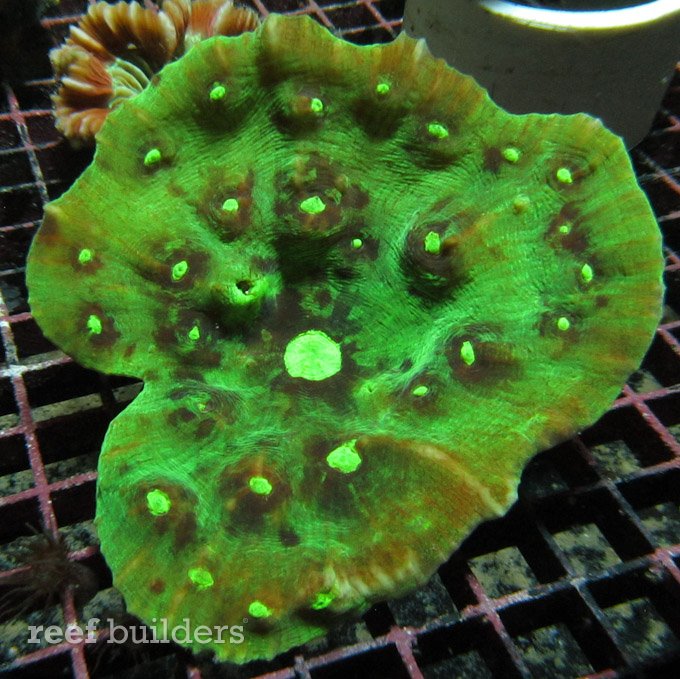
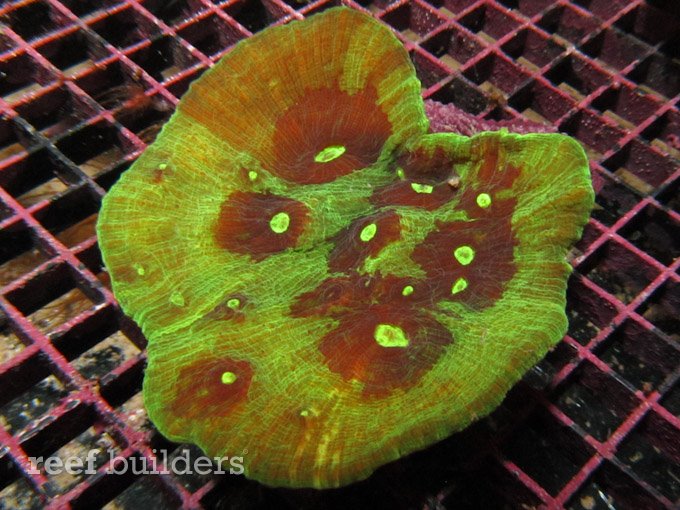
Regardless of where they are coming from, these “new” plating Pectinia corals are intense and come in a wide array of truly stunning colors. Bright greens contrasted by dark browns and rich mauves with colored corallites and or growth margins – could you seriously want any more from a hardy and colorful corals? The best part of these exciting corals is that unlike the one-in-a-hundred colorful Echinophyllia and Oxypora chalice corals, these plating Pectinia are being imported in such numbers that no one will be forced to pay extortionist sums for individual frag-buggers.

Whole colonies of these plating Pectinia should be retailing in the neighborhood of $150 to $250 for dozens of corallites with 2-4 eye frags costing anywhere from as little as $40 to $80. While we don’t have one yet you can be sure that the plating Pectinia is high on our list of corals to get and we’ll be looking out for just the right one to compliment the home chalice and plating coral aquariums.
pectinia coral
pectinia coral
pectinia coral

pectinia coral

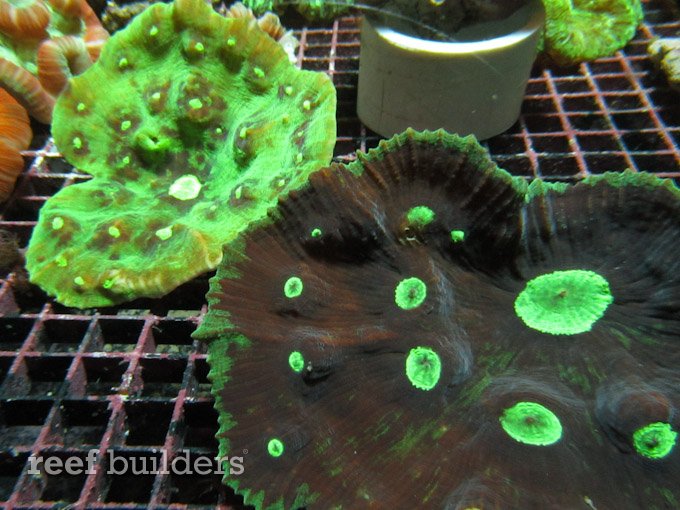
A nice comparison of the size difference between the plating Pectinia top left and Mycedium robokaki bottom left

pectinia coral

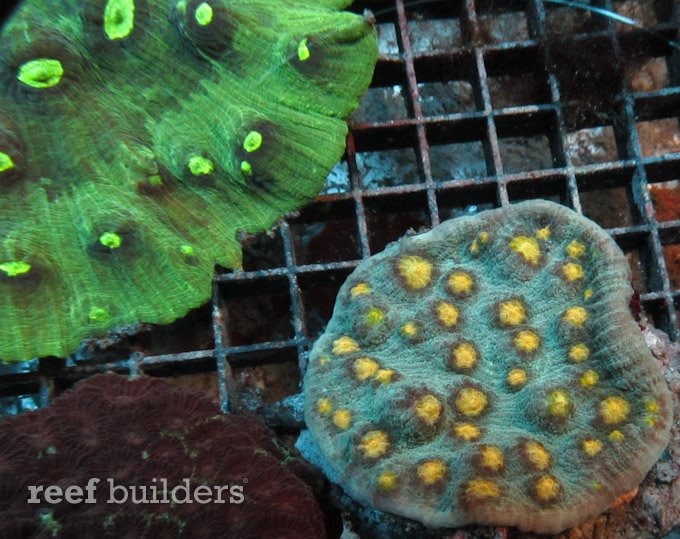
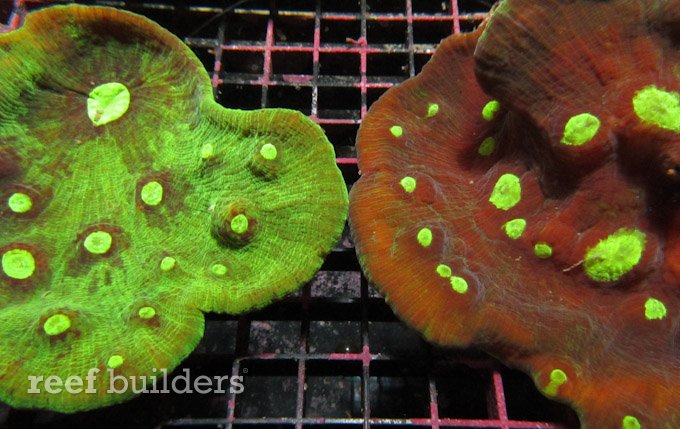
Here you can also see the variability in corallite size between the different colonies of plating Pectinia

pectinia coral

pectinia coral

pectinia coral
pectinia coral

pectinia coral

pectinia coral

Posted in Reef News |
Search More:  
   
  • David Grim

    Meh…….more green and browny red for a reef tank.

  • OldTownJoe

    I’m more inclined to call these Mycedium. They lack the coenostial walls and spires that Pectinia have. Plus most of these specimens have the inclined corallites that are indicative of Mycedium. We’ve had several specimens at Old Town, Some are completely flat, some have inclined corallites, and one had some coenostial structures reminiscent of P. paeonia. If I had to guess, I would say these are green specimens of M. steeni, even though Veron says it only comes in brown. Or maybe an undescribed species of Mycedium, or some weird morph of M. elephantotus?

    http://coral.aims.gov.au/coral-images/largest/0730_C1_01.jpg

  • JakeAdams

    Good observations Joe. I share your view that these corals are novel but I am leaning more towards some of these being an undescribed species of Pectinia.

  • OldTownJoe

    http://www.biomedcentral.com/content/pdf/1471-2148-11-37.pdf

    Huang, et al found Pectinia to be paraphyletic in regards to Mycedium. So in a sense this is likely splitting hairs, as “Mycedium” are possibly just a flatter type of Pectinia. These specimens seem like they bridge the gap between these two genera.