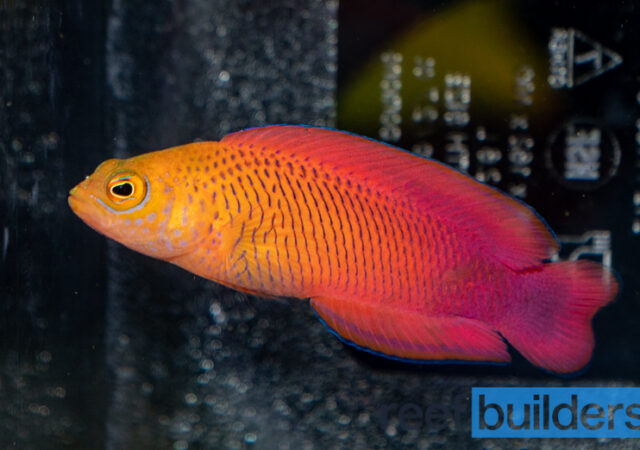
The oblique-lined dottyback, Cypho purpurascens, is a gorgeous and hardy little fish which deserves to be a lot more popular in the reef aquarium hobby. Growing to barely three inches long, this cherry red fish has beautiful blue accent lines around…
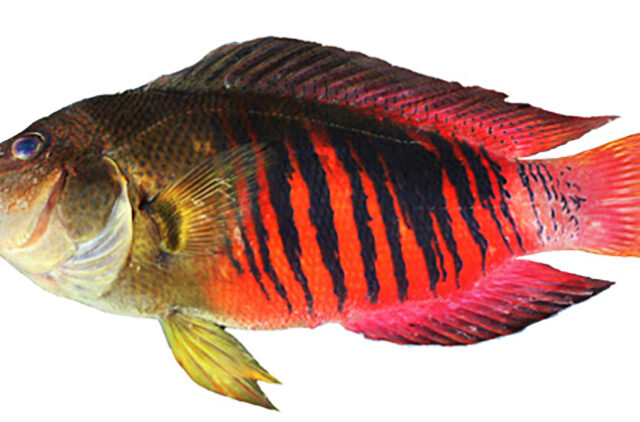
Labracinus atrofasciatus, Re-Description of a Strikingly Beautiful Dottyback
Labracinus atrofasciatus is a strikingly beautiful species of dottyback that is virtually unknown, and in fact so absent from the scientific literature that the species was just treated to a rare re-description. The original description of Labracinus atrofasciatus was based…
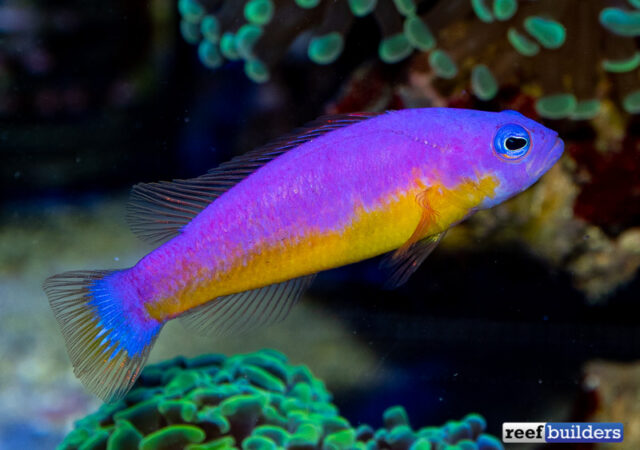
Hybrid Dottyback Still Enjoying Life at the Reef Builders Studio
Abby the ‘aberrant’ dottyback is a unique specimen of Pictichromis that was the first fish we ever got at the Reef Builders Studio. Nearly two years after first receiving this fish and starting it out in its own bare bones nano…
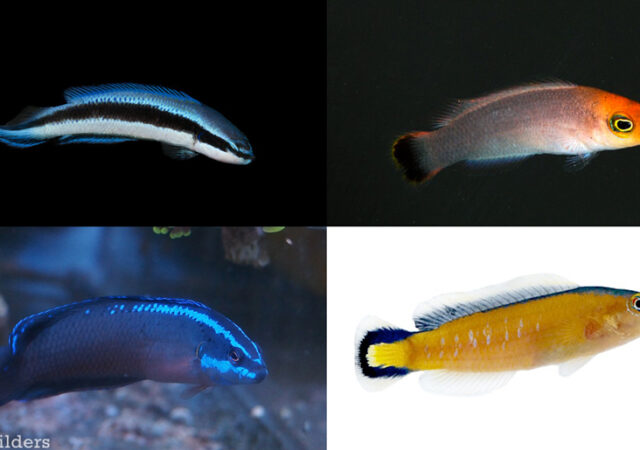
Top Five Rare Captive Bred Dottybacks
You know, clownfish get all the attention when it comes to domesticated strains – and angelfish get all the praise and attention when a new species is bred in captivity for the first time. But there’s one group of fish…
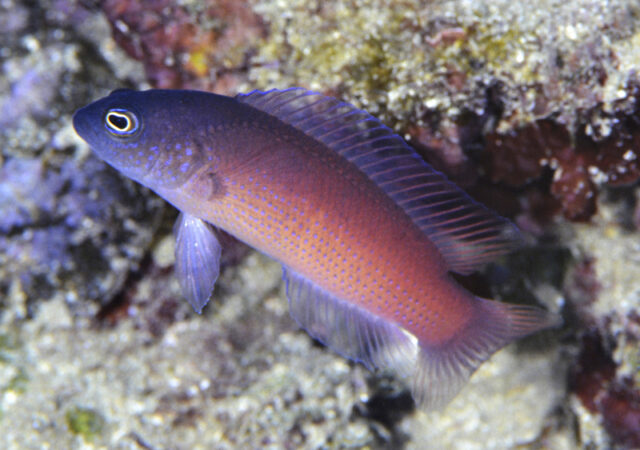
Pseudochromis yamasakii, the Dottybelly Dottyback Gets an Official Description
Pseudochromis yamasakii is the newest species of dottyback, this time hailing not from the typical Indonesian or Filipino reefs, but from the land of the rising sun, Japan. The species was described from just a single specimen from Kii Peninsula,…
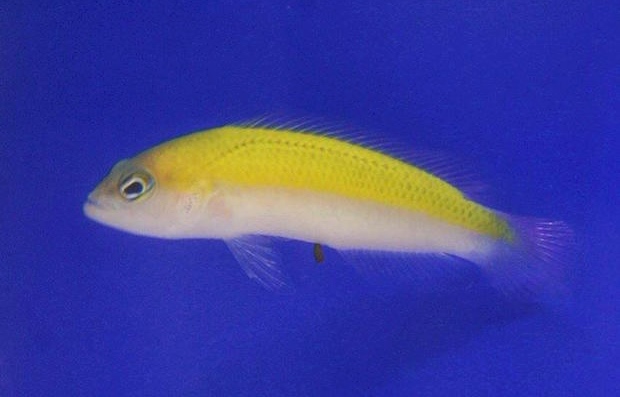
“Leucoxanthic” Pseudochromis is a funky aberrant we’ve never seen before
Aberrant fish show up occasionally from time to time and it’s always a game of roulette as to what form they will take. Pseudochromis are not exclusively spared from such afflictions, although it’s not everyday we come across a unique…
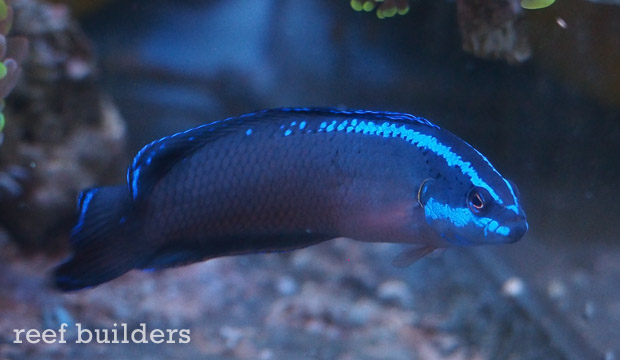
Black neon dottyback product review: a really sweet hybrid from Sea & Reef Aquaculture
This might be the first time we’ve ever had a live aquarium animal to review but seeing as the Black Neon Dottyback is an artifact of captive bred hybridization, we want to tell you why this fish has quickly become…
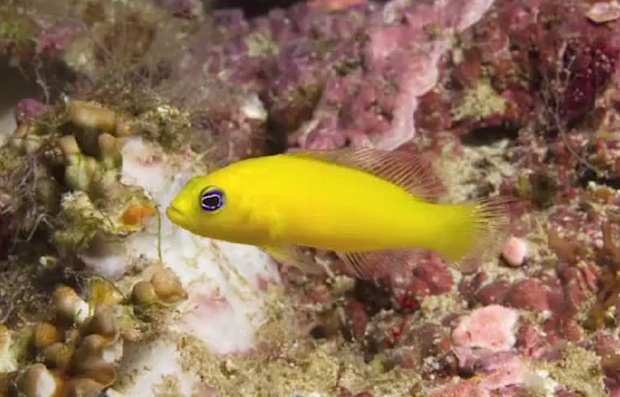
Video of an all yellow pseudochromis is probably a xanthic mutation
Something about this beautiful dottyback discovered and imaged by Marj Awai reminds us instantly of Gramma dejongi. We know we have a fever that can only be cured with more dejongi which is why this all yellow slender fish really grabs our…
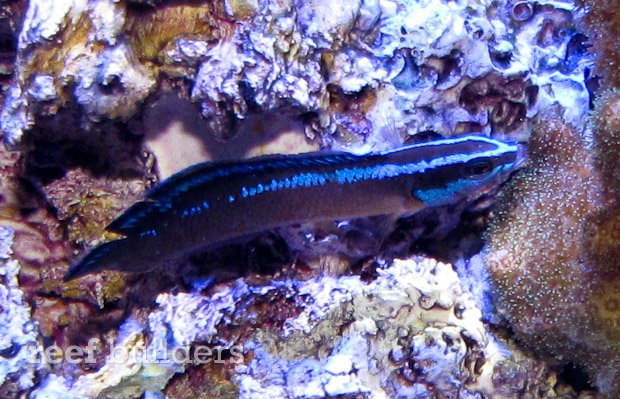
ORA’s black neon dottyback is so beautiful in the flesh
The Black Neon Dottyback may be ORA’s most exciting hybrid to date, especially in the intentional department. With a long history of remixing certain fish species and strains, the multitude of clownfish strains they’ve come up with, including accidental clownfish crosses. The hybrid…
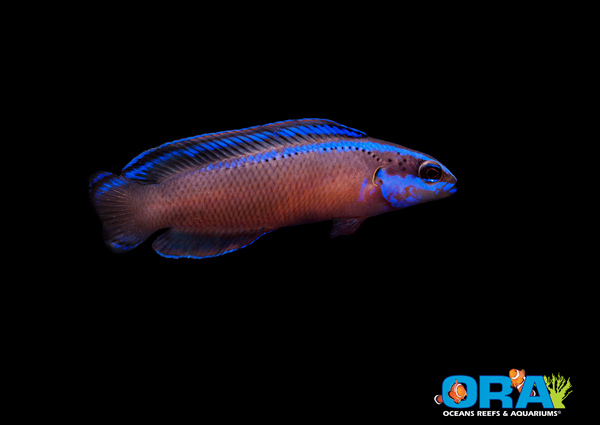
ORA releases new captive-bred Black Neon Dottyback
ORA has another first under its belt with the release of the new ORA Black Neon Dottyback at MACNA in Fort Lauderdale, FL, this week. After successfully producing the neon dottyback (P. aldabraensis) and Springeri dottyback (P. springeri) for more…