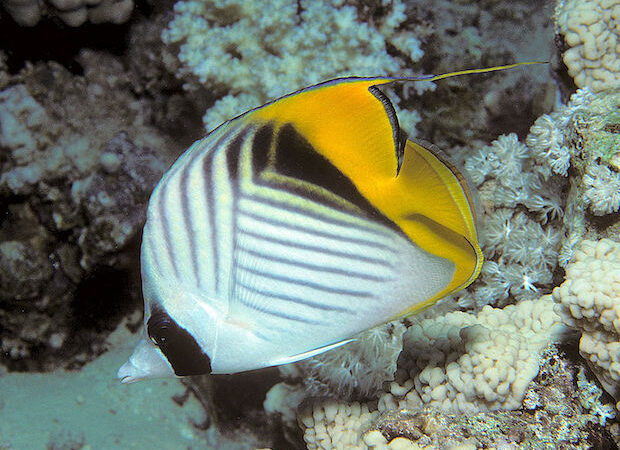
Ever wondered why with an endless possibility of patterns and permutations, there is always somehow a few fish with consistently repeated pattern templates? A few species that share the same overall appearance but not quite the same. That confusing group of…
Search Results For: paracheilinus hybrid
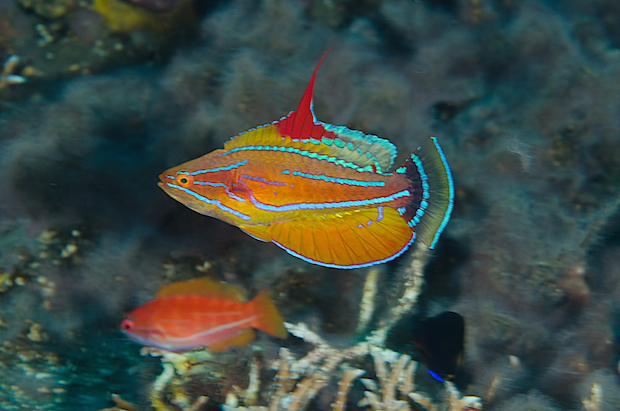
Reef Nuggets 3: Fairies and Flashers, with notes from the wild
Today’s Reef Nuggets deal with a topic very close to my heart. Cirrhilabrus and Paracheilinus, or more commonly known as the fairy and flasher wrasses. Instead of my usual banter on “this ultra rare flasher wrasse” or that “extremely deepwater…
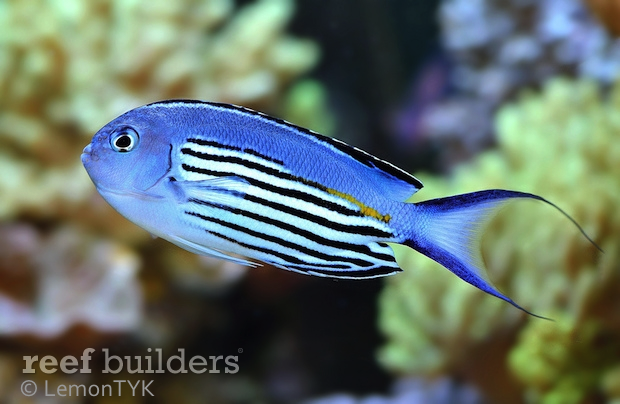
Awesome Fish Spotlight: Genicanthus watanabei and notes on the genus
Today’s Awesome Fish Spotlight features a member from the angelfish family Genicanthus, which features medium to large plankton feeding species that sport unusually long tail filaments. Like the colloquial name “swallowtail angels” suggests, Genicanthus are noted for their markedly long…
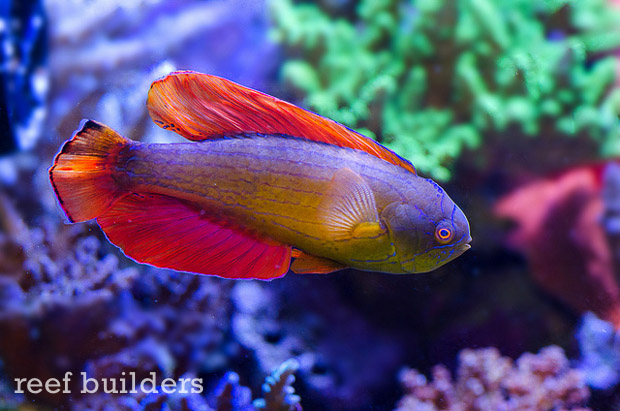
Behind the face of LiveAquaria – Kevin Kohen’s fish collection part 2
Here’s part two of our trip to LiveAquaria and a peek inside Kevin Kohen’s office and his fish collection. Incase you still do not know, Kevin Kohen is the man behind the company and as mentioned in part 1 of…
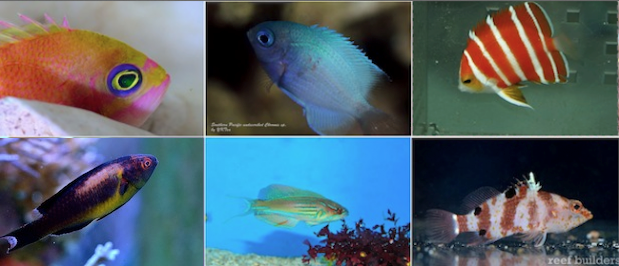
Our top six smashing aquarium debuts of 2013
Here’s another 2013 recap, but this time, we’re featuring smashing aquarium debuts of 2013. Yes that’s right, 2013 is a year of first times, and these five fishes have had their moment in the spotlight in the past months. While…
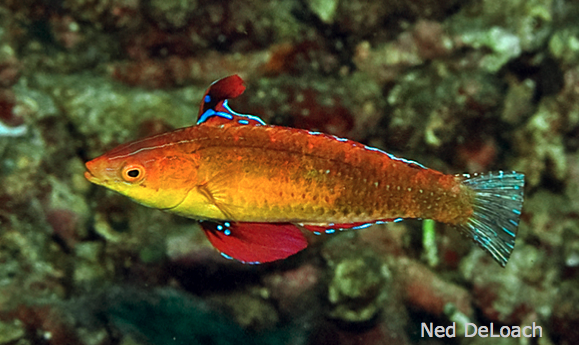
Cirrhilabrus humanni “Stubby-fin Fairy Wrasse” from Alor, Indonesia officially described
Cirrhilabrus humanni is one of 25 new species to be documented from the East Indies, and will be featured in Allen and Erdmann’s new book. In May 2010, Ned and Anna De Loach documented a previously unknown fairy wrasse in the island of…
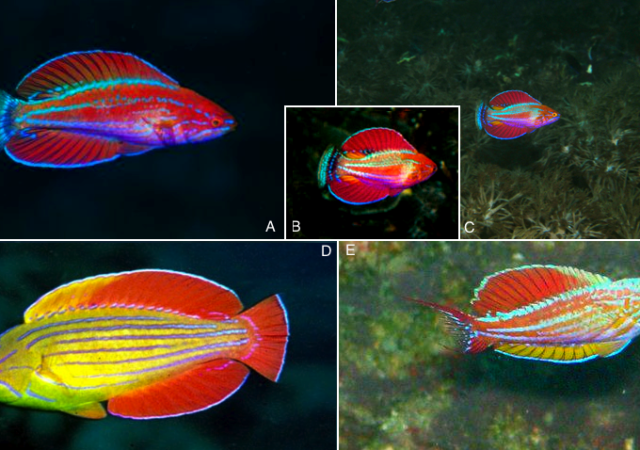
Unusual flasher wrasse from the Komodo Islands may turn out to be a new species
Flasher wrasses are ubiquitously distributed around Indian and Pacific Oceans. With their bright colors, fondness of relatively shallow depths and living in large congregations, it’s not difficult to spot them in the wild and hence, new species are not often…