I deal with all manners of aquarium filtration equipment at my side gig at MRC. Over the years, there have been many introductions to the market that I’ve disliked and refused to implement. But there’s one, that I actually like, but I discourage the use of more than any other: ozone. That may come as a surprise to you; it definitely does to my clients, but there’s a very good reason for my apprehension. I believe that in most cases, there are safer alternatives than ozone and whenever possible, always go with the safest solution.
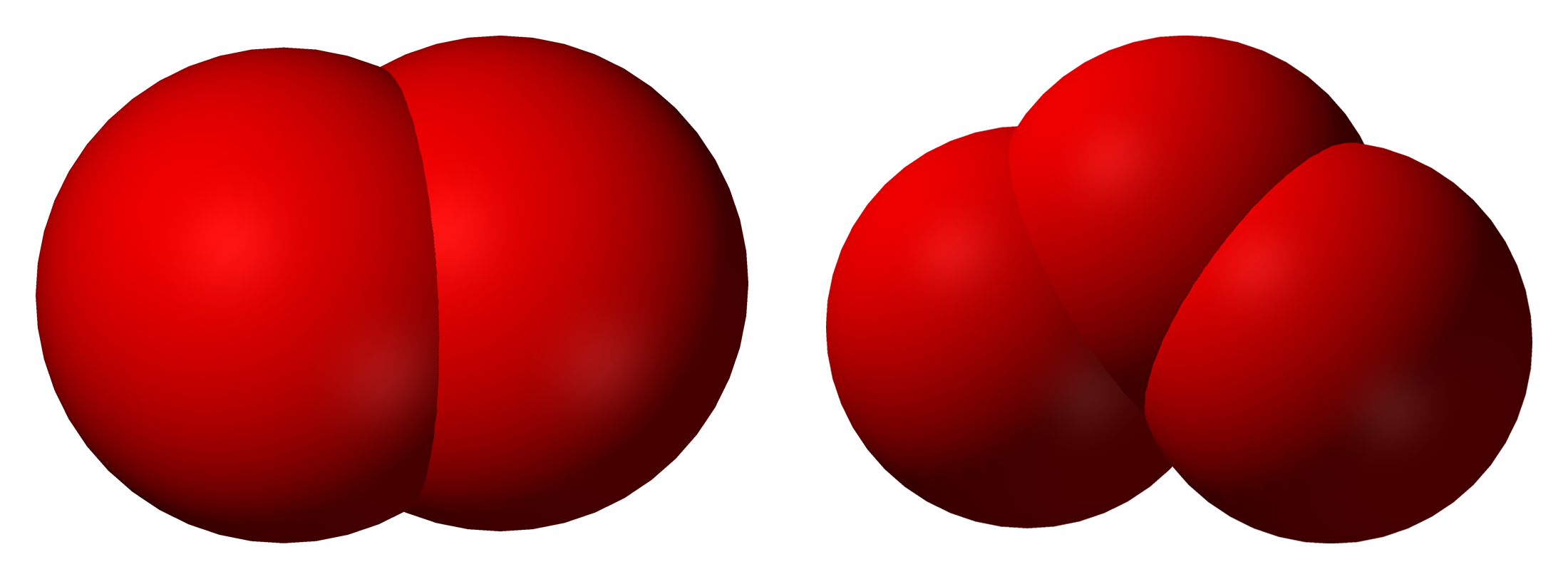
Let’s get into what ozone even is and why we use it in aquaria. While the oxygen we breathe is two oxygen atoms (O2), ozone is simply three oxygen atoms (O3). The covalent bond for that third oxygen atom is very weak, though, so the half-life of ozone is short (roughly 30 minutes), meaning that the third atom will jump and join another single oxygen atom, leaving behind nothing but O2. Since the oxygen atom is negatively charged, it’ll always look for another oxygen atom to bind to. Fun fact: there’s no practical way of storing ozone gas!
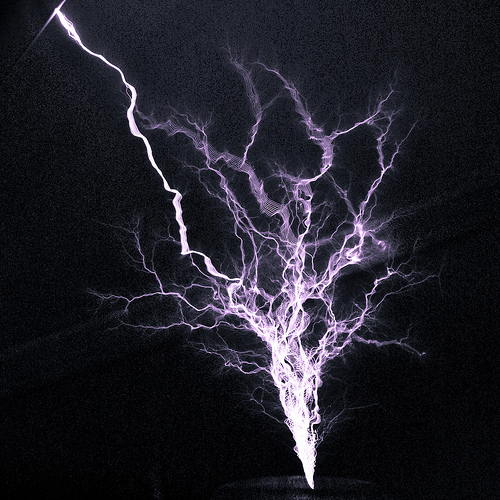
The most common type of aquarium ozone generator is a corona discharge unit. It uses an electrical spark (corona discharge) to split the O2 molecule, creating two oxygen atoms. Think of it as lightning striking the molecule and splitting into two atoms. These single atoms don’t like being all by themselves, so they attach themselves to a nearby O2 molecule, creating O3. If you’ve ever seen a Tesla coil in action, you’ve seen the process of ozone being created via corona discharge. Have you ever noticed that smell during a lightning storm? That’s ozone again. Another fun fact: yes, this is the same ozone gas that’s present in the stratosphere!
Ozone is a very powerful oxidizer (it breaks down organic molecules), hence its use in aquariums. Most people will employ ozone to combat tannins in the water, turning yellow water into crystal clear water (similar to why activated carbon is used, but more powerful). Because of its ability to break down organic matter, it’s also used to boost protein skimmer performance. O3 breaks down these compounds in the water, allowing the protein skimmer to more effectively remove them during the fractionation process. An additional benefit to ozone is combating bacteria. It does this by oxidizing the cell wall, rupturing the bacteria leading to its death. Something to keep in mind: something that can be oxidized will be oxidized by ozone.
So if it’s a powerful tool that cures yellow water, increases skimmer performance, can kill bacteria, and the half-life is short, why do I discourage the use? As with many things in this industry, there’s a lot of misinformation about ozone and unfortunately, it can be deadly.
Issues
Poor spec. To properly spec an ozone generator for a system, you must understand the process of how ozone will be dissolved into your water. If you remember Henry’s Law, you’re one step ahead. For the rest of us: highlight, right click, “search google for ‘Henry’s Law’”. There are so many factors that’ll affect ozone production and solubility: temperature, humidity, pressure, air or oxygen injection, and bubble size. If you’re not asking the right questions, you’re guessing when selecting an ozone generator. And that can be okay so long as the generic recommendations aren’t overdoing the ozone, but troublesome if not.
Unintended reactions. Ozone can cause chemical reactions in your aquarium, producing toxic by-products. If your saltwater contains bromide (most do at varying levels), ozone can turn it into hypobromous acid. There are many other similar reactions that can affect your livestock and while not probable, I think it’s important to consider. These issues also go undetected since your aquarium looks good and normal water tests won’t show anything that would lead you to suspect an equipment issue.
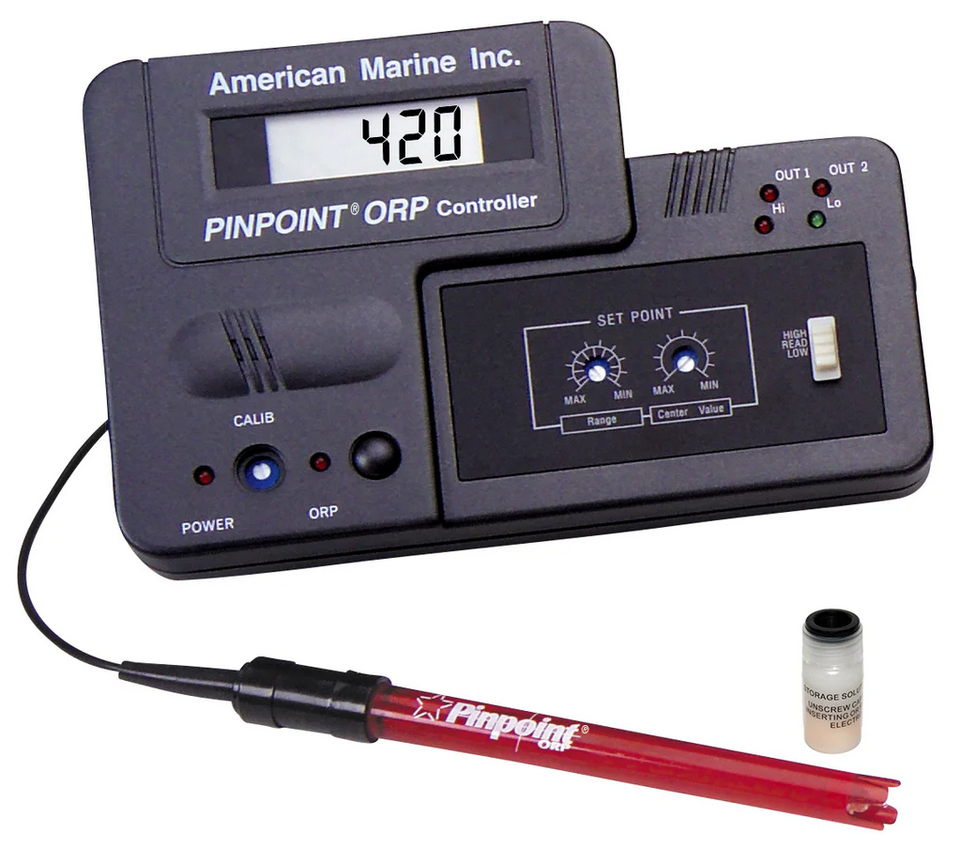
Monitoring/controlling ozone. The most common method of monitoring and controlling ozone is with an ORP controller. This controller will measure the ORP (oxidation-reduction potential, or REDOX) of the aquarium and turn on/off the ozone generator at certain setpoints. A low ORP is generally used as a sign of low water clarity with the desired range to be around 400 mV. As with all probes, ORP probes require calibration and replacement. I’ve found the hobby grade probes begin to drift quite early, requiring more frequent calibration and/or replacement. However, an ORP monitor/controller doesn’t actually measure the O3 in the water column. Any oxidizer can affect the ORP, so if someone dumped bleach in your tank, your ORP reading would be higher. Conversely, if a powerhead fell and suspended lots of sand in the water column, the ORP would be lower, activating ozone production. While being reliant on a tool that doesn’t directly measure what you’re wanting to measure and control are bigger issues in my head than in reality, it’s still something to be mindful of when sizing your ozone generator. While using ORP can be very helpful in controlling ozone, I always recommend additional safeguards.
Safeguards
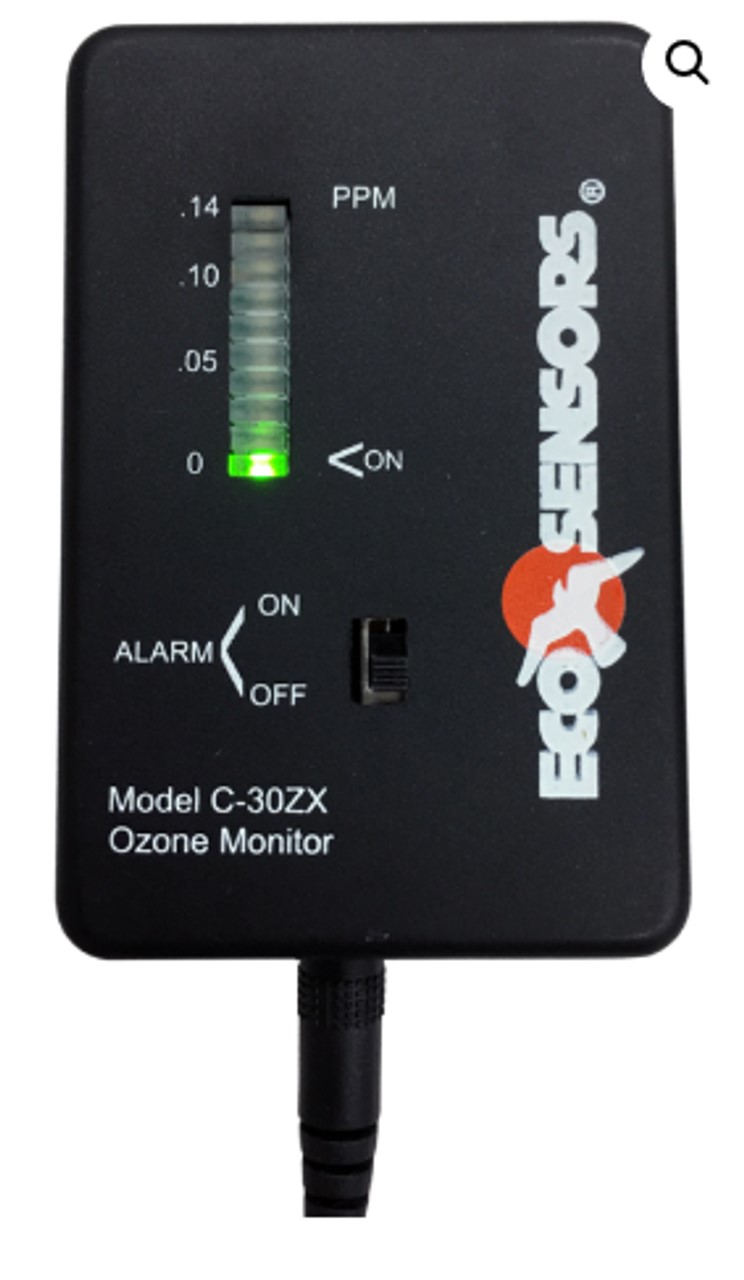
Ambient ozone analyzer and alarm. I always employ one of these devices when I’m designing a system with ozone. Unlike the ORP monitor, this device will detect ozone in the air. And when it detects ozone above a certain level, it will shut off the ozone generator and sound an alarm (visual and audible) so you can refrain from entering that area. If you are generating ozone, OSHA requires that you measure the ozone level for safety purposes. It’s possible that my caution here stems from my work at commercial facilities, but some things are just not worth risking.
Ozone Destruct units: these devices immediately neutralize ozone. If you’re injecting ozone into a protein skimmer, you’ll want to route any air exiting the skimmer into the destruct unit. The unit will then heat this air, removing any water, and allowing the ambient ozone to pass through a catalyst (usually Manganese Dioxide). As O3 reacts with the Manganese Dioxide, it’s immediately converted into harmless O2. The only caveat is that the air must be dry for the unit to be effective. And unlike any other media you’re going to use, the Manganese Dioxide never needs to be replaced! So what if you can’t afford a destruct unit?
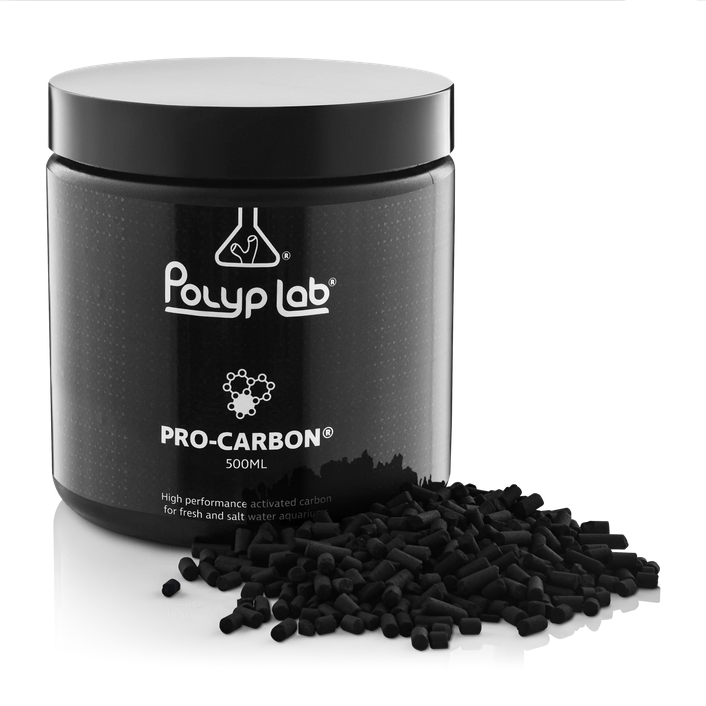
Activated Carbon. While a destruct unit is great for removing ozone from the air, it’s completely ineffective in water. Activated carbon is one of the most readily available and cheapest medias in the industry and it just so happens to neutralize ozone. How does it accomplish this? When O3 comes in contact with C (carbon) you get CO (carbon monoxide) & O2 (oxygen). Or CO2 (carbon dioxide) and a rouge oxygen atom that’ll find its mate rather quickly. You can also use activated carbon to filter the air exiting your skimmer or just vent that air outdoors; just don’t forget to replace the carbon regularly.
UV sterilization. If you’ve followed along on the Reef Therapy Podcast, you know I’m a huge fan of a properly sized UV. And if UV wasn’t already amazing enough, it’s also an ozone neutralizing beast! So long as we’re talking about ozone in the water, that is. Just direct the water exiting your skimmer (or ozone reactor) into your UV and you won’t need to worry about excess O3 affecting your pets. Less fun fact: there are ozone producing UV’s (I’ll discuss why you don’t want these in a dedicated UV article).
Ozone safe materials. There are two main ways of injecting ozone into your aquarium: protein skimmer and ozone reactor. The latter is a specialized device that is dedicated to ozone, providing more control over dwell time. The protein skimmer is the most popular application for ozone. If using a protein skimmer, you’ll want to make sure the materials are ozone compatible. The injector should be made from PVDF and any tubing from Norprene or silicone. Your skimmer should be made from cast acrylic (not extruded) or polycarbonate with Butyl or Silicone o-rings and Viton pump seals. There’s an easy visual test to determine if the body of your skimmer is cast or extruded: cast will be clear and smooth. Extruded will have extrusion lines and is generally more brittle and less clear. For everything else, use the following materials guide to determine if your protein skimmer is ozone compatible or not as well as to determine which parts you need to change for ozone use.
| Material | Rating (in water) | Material | Rating (in water) |
| ABS plastic | B – Good | Magnesium | D – Poor |
| Acetal (Delrin®) | C – Fair | Monel | C – Fair |
| Aluminum | D – Poor | Natural rubber | D – Severe Effect |
| Brass | B – Good | Neoprene | C – Fair |
| Bronze | B – Good | Norprene | A – Excellent |
| Buna-N (Nitrile) | D – Severe Effect | Nylon | D – Severe Effect |
| Butyl | A – Excellent | PEEK | A – Excellent |
| Chemraz | A – Excellent | Polyacrylate | B – Good |
| CPVC | A – Excellent | Polycarbonate | A – Excellent |
| Durachlor-51 | A – Excellent | Polypropylene | C – Fair |
| Durlon 9000 | A – Excellent | Polysulfide | B – Good |
| EPDM | A – Excellent up to 100-deg F | Polyurethane, Millable | A – Excellent |
| EPR | A – Excellent | PTFE (Teflon®) | A – Excellent |
| Ethylene-Propylene | A – Excellent | PVC | B – Good |
| Fluorosilicone | A – Excellent | PVDF (Kynar®) | A – Excellent |
| Galvanized Steel | C – Fair | Santoprene | A – Excellent |
| Glass | A – Excellent | Silicone | A – Excellent |
| Hastelloy-C® | A – Excellent | Stainless steel (304) | B – Good/Excellent |
| Hypalon® | A – Excellent | Stainless steel (316) | A – Excellent |
| Hytrel® | C – Fair | Steel (Mild, HSLA) | D – Poor |
| Inconel | A – Excellent | Titanium | A – Excellent |
| Kalrez | A – Excellent up to 100-deg F | Tygon® | B – Good |
| Kel-F® (PCTFE) | A – Excellent | Vamac | A – Excellent |
| LDPE | B – Good | Viton® | A – Excellent |
I’ve mentioned the risks and dangers from ozone quite a lot in this article, but haven’t really detailed what the health risks are. Let’s cover that and how to select an ozonizer in Part II.