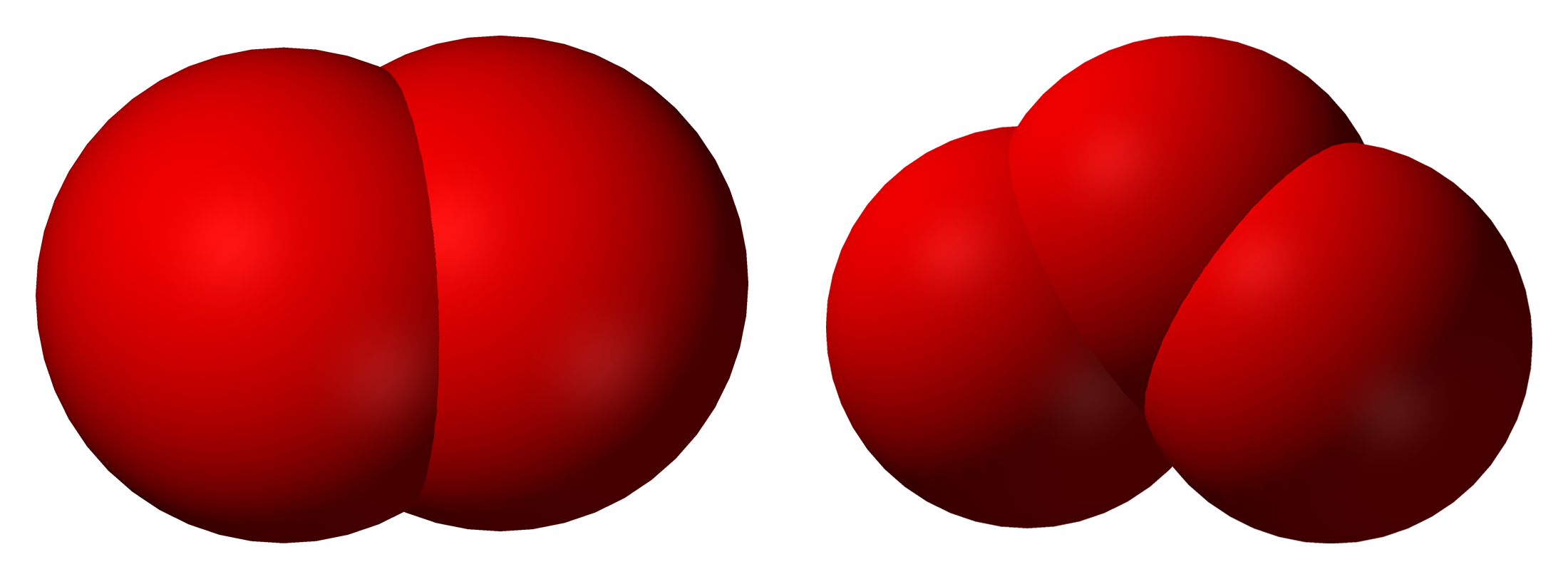
So I left you hanging in Part I, but promised to get into the health risks and how to choose an ozone generator. So let’s dive into that a bit. Ozone has a crisp and almost sweet smell. It’s hard to describe, but it smells clean with a bite. In the short term, adults can experience headaches, breathing problems, chest pain, coughing, and eye, nose and throat irritation. It can also worsen asthma symptoms for asthmatics and worsen symptoms in people with heart disease. For children, they could suffer permanent lung damage or even worse. I have read of cases where fertility can be affected, so in homes with expectant mothers or young children, it’s best to avoid using ozone due to the potential of harmful exposure which is known but not quantified.
Dogs and cats are highly susceptible to ozone issues. Being heavier than air, ozone will sink and accumulate near the ground. And unlike other gases,due to its low vapor pressure, it won’t fill the room evenly, leaving our low laying friends breathing high ozone levels. Remember, anything that can oxidize, will. Including the animals outside of the aquarium, exposure to ozone can kill your fish too. I have a client who went too heavy on the ozone and killed the entire tank overnight. It was devastating on many levels, but that action is what led them to me and now they don’t have to worry about that happening again.
It’s important to note that both OSHA and the EPA have set zone exposure limits. These limits are based on exposure throughout the day (8 hours for OSHA). Think of it as getting doused by a bucket of water. You’d be drenched and quite unhappy at the moment it happened, but if no more water is poured on you for the rest of the day, you’ll be completely dry by the end of the day (maybe not happy, though). With ozone exposure, you could be exposed to a high level of ozone for a minute, and then either none or very little for the rest of the day and if the average is below 0.1 ppm, OHSA says you’re okay. Does that make you feel better? Yeah, me neither.
Cool story, bro, just tell us what ozone generator to get. Okay, okay, you’re sold on ozone and nothing will deter you. So how do you choose the right ozone setup?
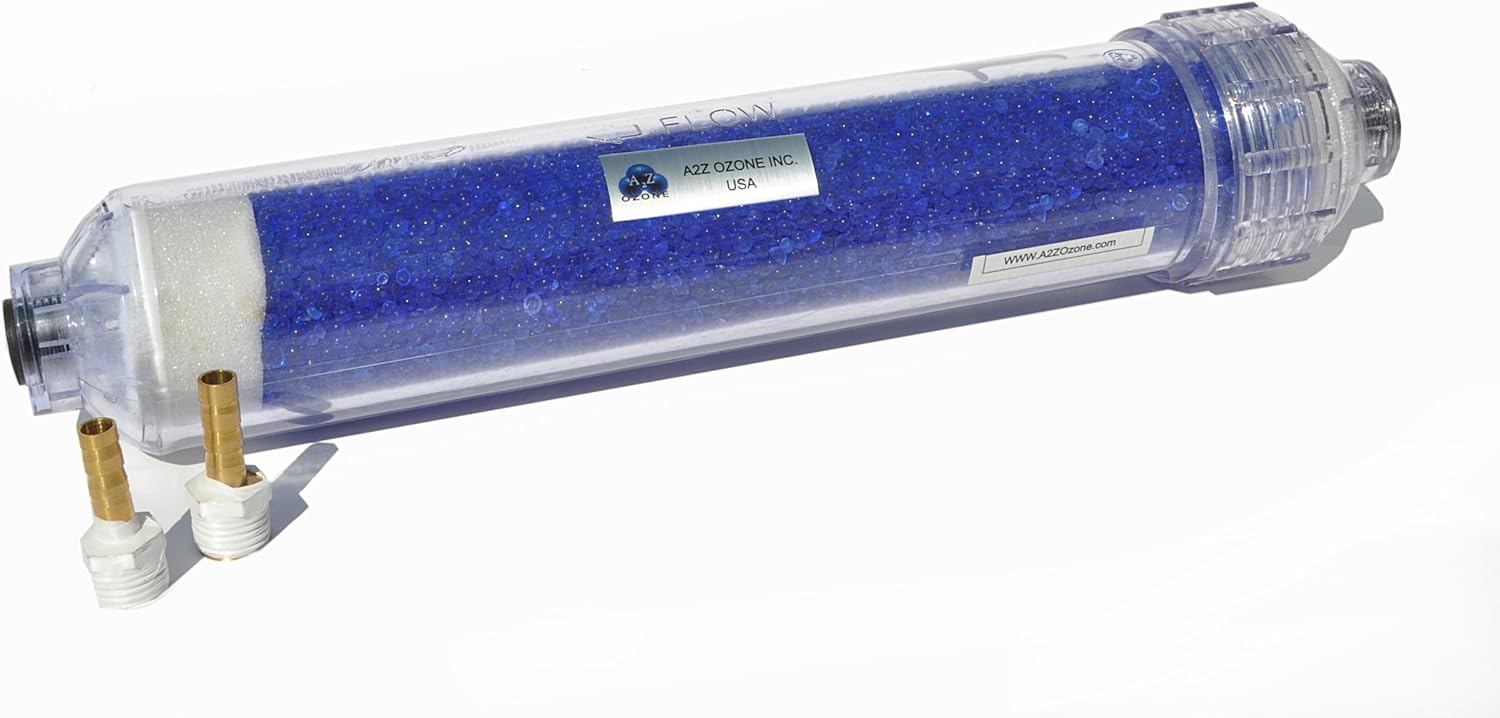
Air versus Oxygen. Oxygen only makes up roughly 21% of the air we breathe. Since ozone is made up entirely of oxygen atoms, it follows that the more O2 you provide the generator, the more O3 it will make. I always recommend an air dryer; even the cheap ones will increase the O3 output of your unit. An air dryer is one of those items that hits hard for the money with an immediate ROI. But if you’re in a particularly humid part of the world (and working with a larger aquarium), I’d strongly consider an oxygen concentrator. As the name suggests, it provides dry concentrated oxygen to your O3 generator. You can expect triple the ozone output when using an oxygen concentrator. In case you missed it, the concentrators are for larger aquariums.
There are two data points that you will need to check when comparing ozone generators: ozone output and ozone concentration. Ozone output is generally measured in g/hr (grams per hour) or mg/hr: the mass of ozone produced in a given period of time. The higher the output, the more ozone the unit will produce per hour. Ozone concentration is generally measured in g/m3 (grams per cubic meter): the ratio of air to ozone produced. It’s essentially telling you how efficient an ozone generator is at converting oxygen into ozone. The higher the concentration, the more efficient the ozone generator is. For larger aquariums, ozone concentration is super important. You want to know that your expensive oxygen concentrator isn’t going to waste. There’s little point in providing more oxygen if the generator isn’t capable of converting it efficiently. For most aquariums, the ozone output is what you’ll use to compare units. If you’re considering a couple of models that have the same output, the concentration may be helpful to tip the scale.
As far as what output you should get for your tank: for anything but the larger aquariums, the reputable manufacturers have published guidance that you can follow. I say this because if you need tech support and you’ve used their guidelines, they’ll be able to help you. Published guidelines are all over the place, ranging from 5mg/hr per 100 gallons to 50 mg/hr per 100 gallons. There are a lot of factors and maths involved in determining exactly how much ozone your system will need, but for simplicity’s sake, we can use the following per 100 gallons: 15 mg/hr for a low bio-load, 25 mg/hr for a medium bio-load, and 50 mg/hr for a high bio-load.
How long you want to run ozone per day will also determine how powerful a unit you need. Many people run ozone 24/7. Others only run it for 8-10 hours at night or day (if the house is vacant during the day). If possible, plan your ozone around when nobody will be there. I prefer using ozone during the day because if there is an issue, you’re awake to feel the early signs and can act long before you get overexposed.
Cheap ozone generators (Ebay or Amazon specials) use low quality components, often have questionable build quality (and safety), lack replacement parts or warranties, and inaccurate output data. I’ve worked in quite a few different industries and one thing remains a constant across them: low end products have completely made up ratings. From amplifiers and memory cards, to skimmers and ozone generators. Luckily, they’ll always produce less ozone than advertised, so at least you don’t have to worry as much about overdosing. Nonetheless, use caution with these devices; I wouldn’t use any electronic device that’s not UL or CE rated (a forged decal doesn’t count!).
Whichever ozone generator you get, do my 5 gallon bucket test to dial it in (assuming your main goal is water clarity). Take 5 gallons of tank water and inject it with ozone. Use a timer to time how long it takes for the water to clear. Now take tank size and divide by 5. Take this number and multiply it by the time you recorded earlier. For example, you have a 100 gallon tank and it took 15 minutes for the 5 gallon bucket to clear. 100/5 = 20. 15 minutes x 20 = 300 minutes (5 hours). With this example, it would take 5 hours for your ozone unit to clear your tank water. You can set it to run for 5 hours/day and/or use your ORP controller to control your ozone generator, but also have a 5 hour window per day where the ozone can run (timer). This gives you some fallback protection should the ORP controller fail.
If your unit has a variable output, you can adjust this variable as well as using the timer as shown above. I prefer to use the lowest amount of ozone possible, so using the example above, I would dial the output down by 50% and increase the max run time to 10 hours/day. Note that once clear, it’s highly unlikely you’ll need to run ozone for the same duration each day. You can either cut back the duration or dial down the output.
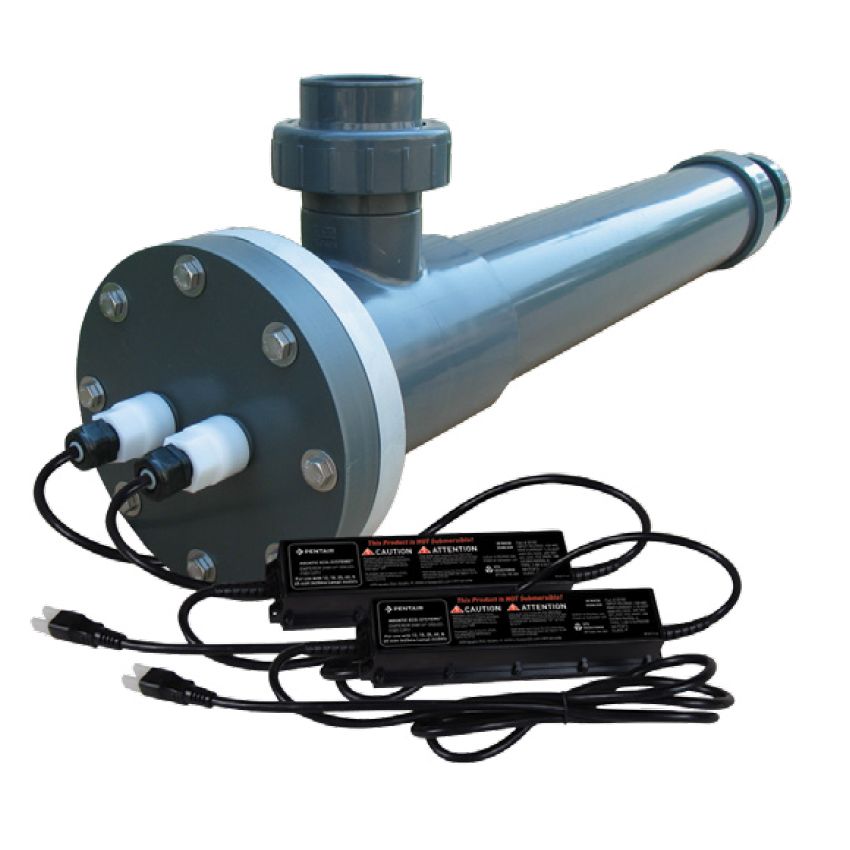
OR, just run a properly sized UV: it’ll tackle algae, yellow water, bacteria, and parasites without any of the health risks of ozone.