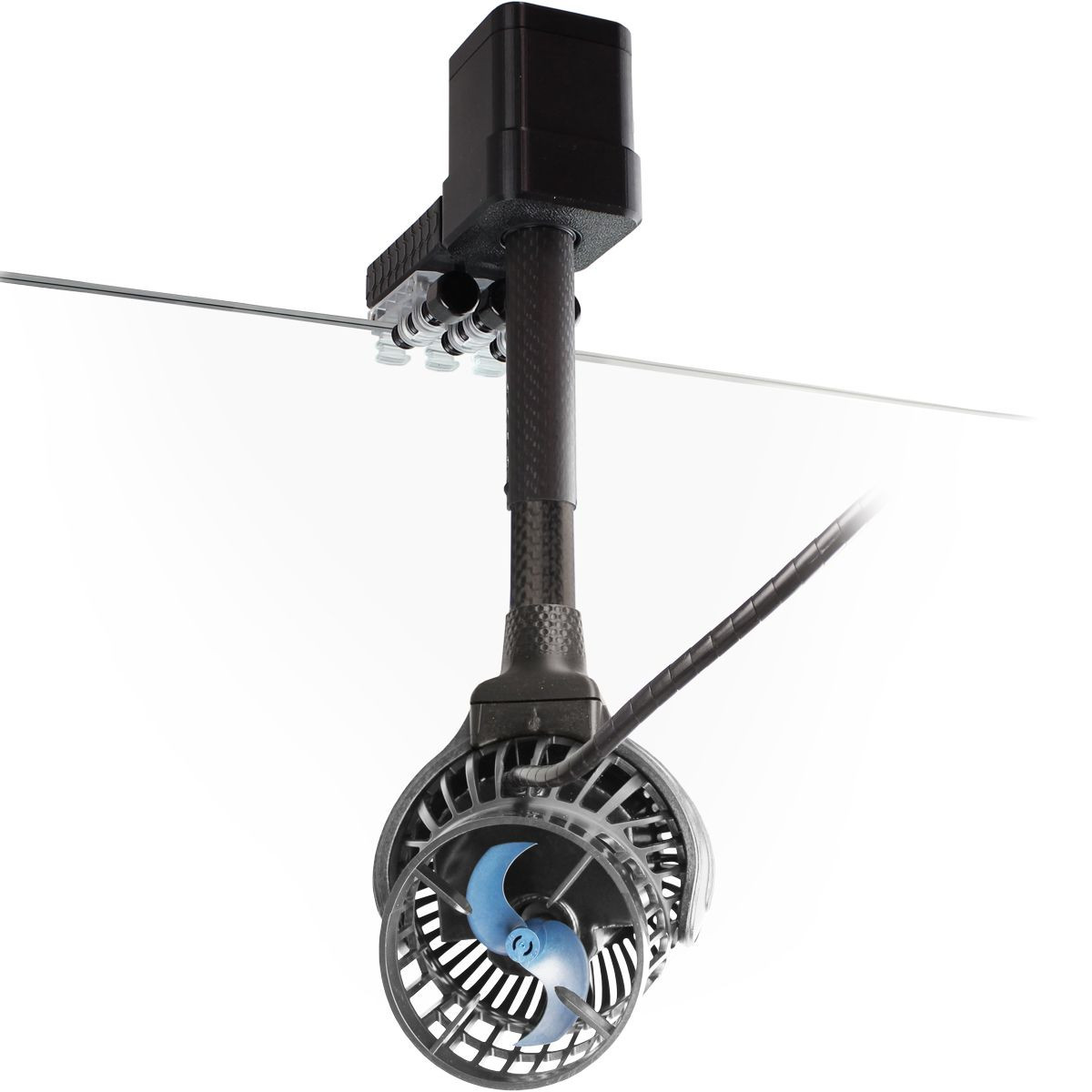
Water motion in reef aquariums is paramount to the health of our animals. Fixed location programable wave makers have been with us for quite a while and are available from a number of manufacturers. In an attempt to add broader flow dispersal, devices that attached to the return line were often employed. Some may recall units such as the Sea Swirl, SCWD and even Oceansmotions. Each approach had its benefits as well as the resulting complications from mechanical components.
Tunze has combined the best of both worlds with their new ORCA products. The ability to leverage a programmable wave maker, the Turbelle stream 6105 or nanostream 6075 along with an ORCA MK2 oscillating unit. The Turbelle HUB Edition pumps provide a number of programming options with a simple to use interface.
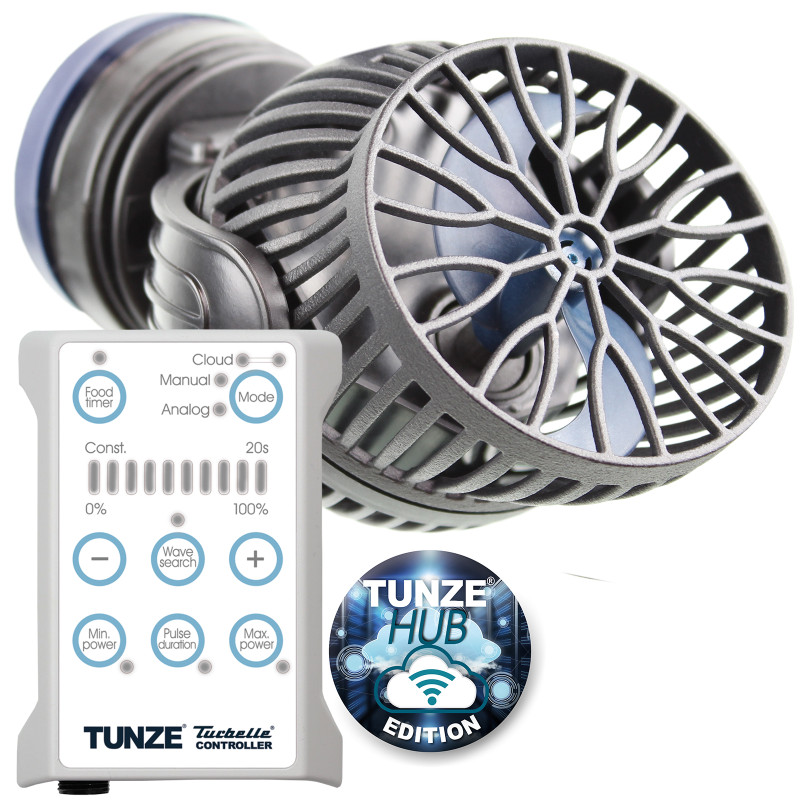
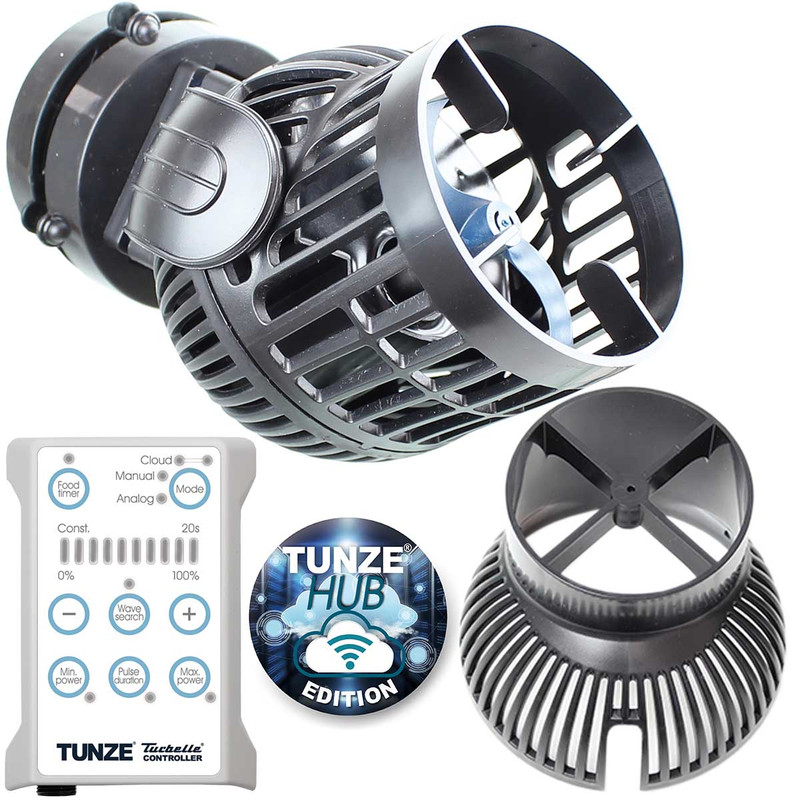
Using the Tunze Reef Assistant App allows the flow intensity to be customized based on the position the pump is currently facing, what Tunze calls Flow Sculpting. As the pump rotates towards a corner, or a more sensitive coral, the flow can be reduced. As it rotates towards the center line of the aquarium, flow can be increased or vice-versa. The ability to change flow intensity based on position is a game changer. Have you ever installed a wave maker a bit too close to your sand bed? We’ve all created that sand storm. Using Flow Sculpting, we can now reduce the flow as the pump moves near the sand bed and increase flow as it oscillates towards the reef rock work.
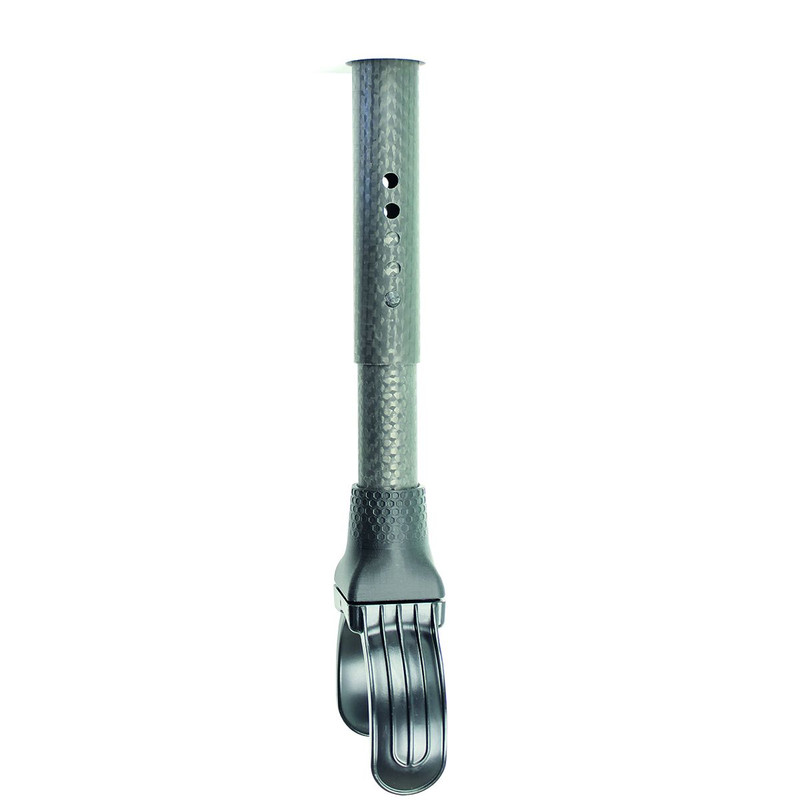
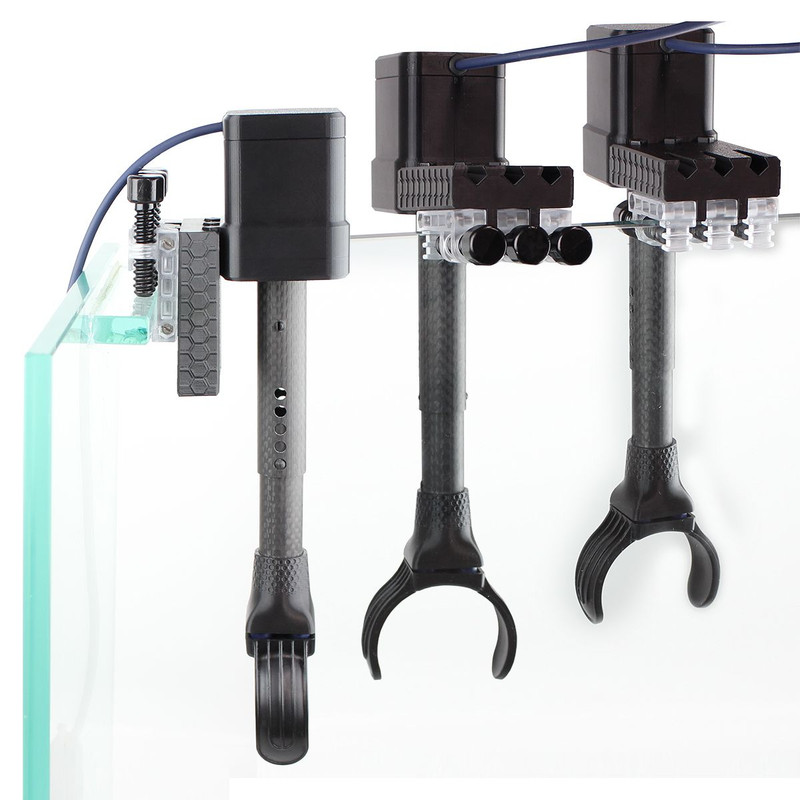
Already own a Tunze Turbelle pump? The ORCA MK2 can be ordered separately allowing you to free your existing pumps from their stationary position. The ORCA provides for a number of mounting options based on the format of your tank. Glass thicknesses up to 22mm (0.87″) are supported. Maximum flow rates are determined by the pump being employed.
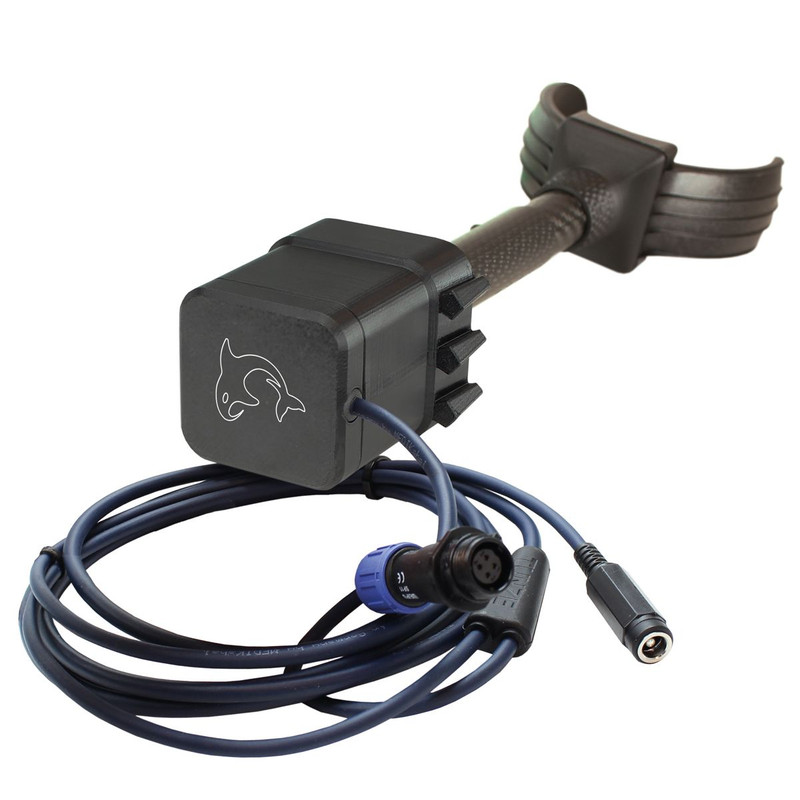
We look forward to getting our hands on a couple of these units to give them a thorough field test. Initial placement thoughts are in the back corners or opposite sides of the overflow (center) to help eliminate dead spots that can occur at the back of our tanks. Many choices present themselves now that the pumps have been freed from their fixed locations.