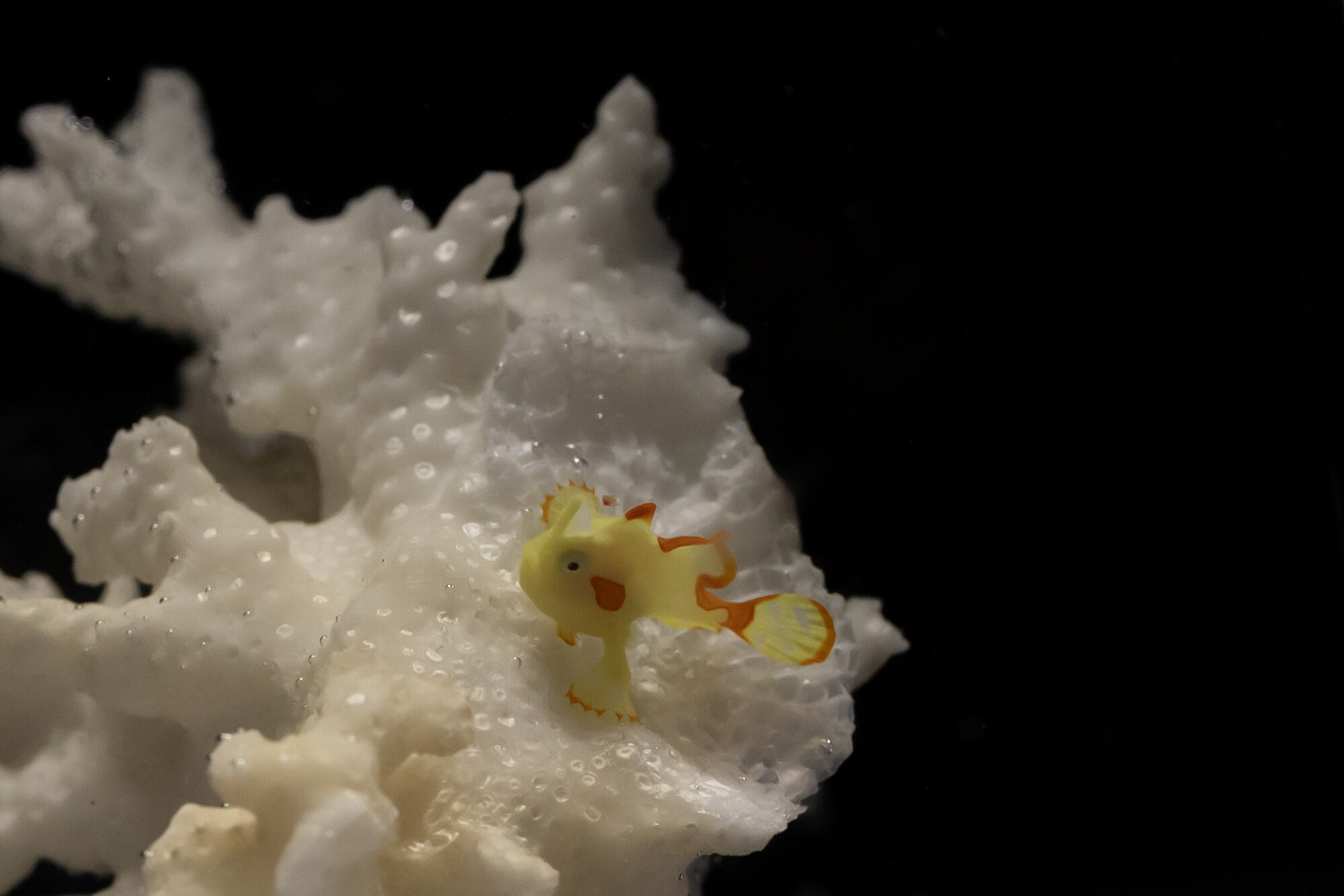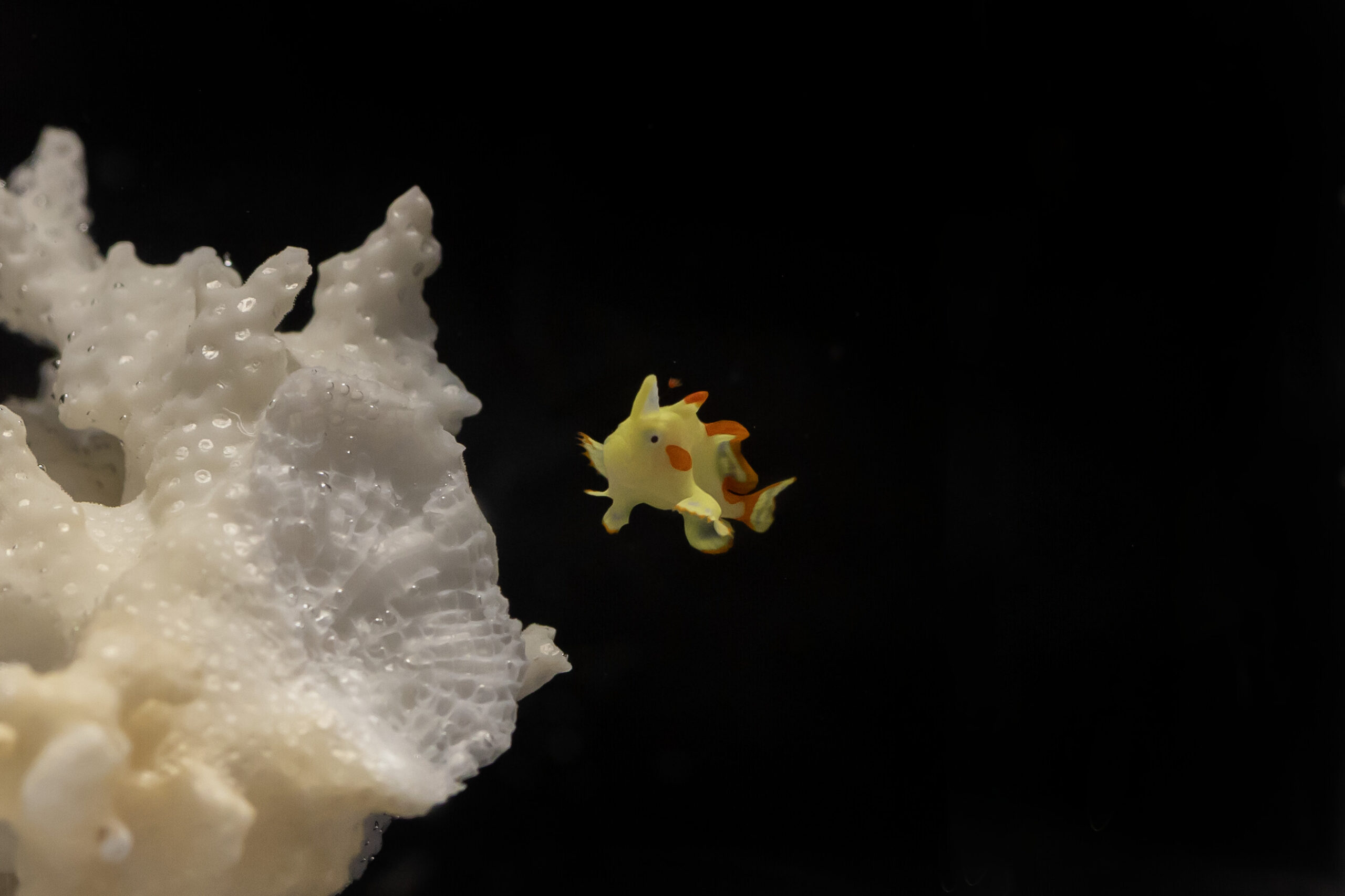
Fish breeding successes should always be celebrated; they’re great for the industry and a proud moment for the breeders. But today’s news hits the right spot for me. The team at the Shedd Aquarium in Chicago has successfully hatched and raised a warty frogfish (Antennarius maculatus), becoming the first to do so in an aquarium setting. A HUGE congratulations to team; we’re looking forward to more breakthroughs.
Official press release below:
A tiny fish is making big waves at Shedd Aquarium as animal caretakers celebrate hatching and raising a warty frogfish (Antennarius maculatus). To the aquarium’s knowledge, this is the first time the species has been successfully reared in an aquarium setting.
The bumpy, odd-looking baby fish is only the size of a pea right now, yet the fish represents a significant step forward in scientists’ understanding of how to breed and care for unique marine fish like warty frogfish. By learning how to rear species in aquariums, Shedd can reduce the pressure on wild populations and build insurance populations for future conservation efforts, as nature faces heightened challenges from human activity and climate change.
“This little fish is truly one in a million,” said Jenny Richards, senior aquarist. “Warty frogfish have such a fascinating appearance and unique way of life, and we’ve been so thrilled to see this little frogfish develop day by day. Our success in rearing this fish is a testament to the expertise, adaptability and passion of the team at Shedd in caring for all aquatic animals, from large arapaima to a tiny warty frogfish larva.”
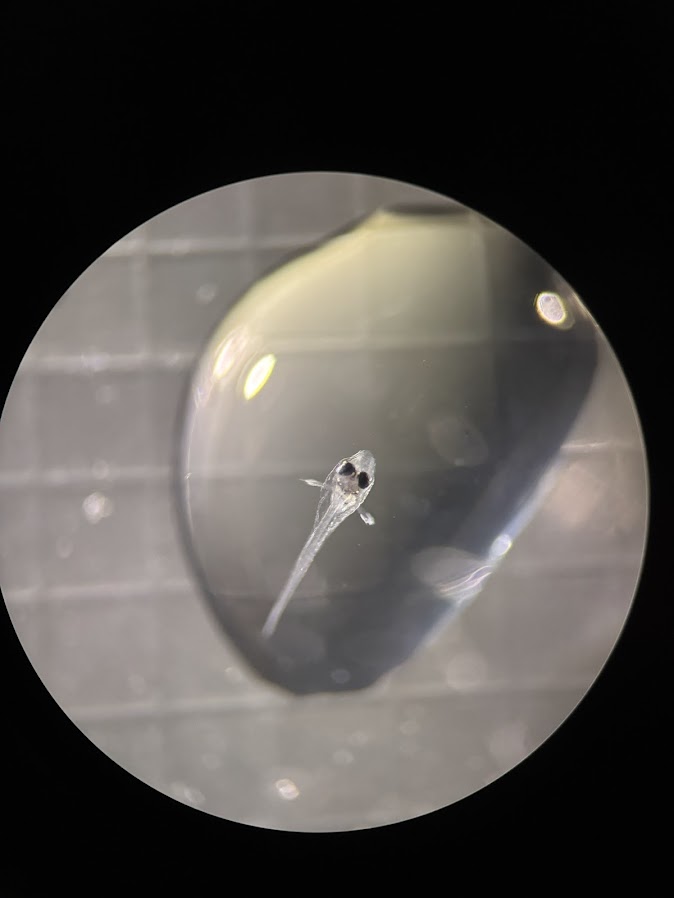
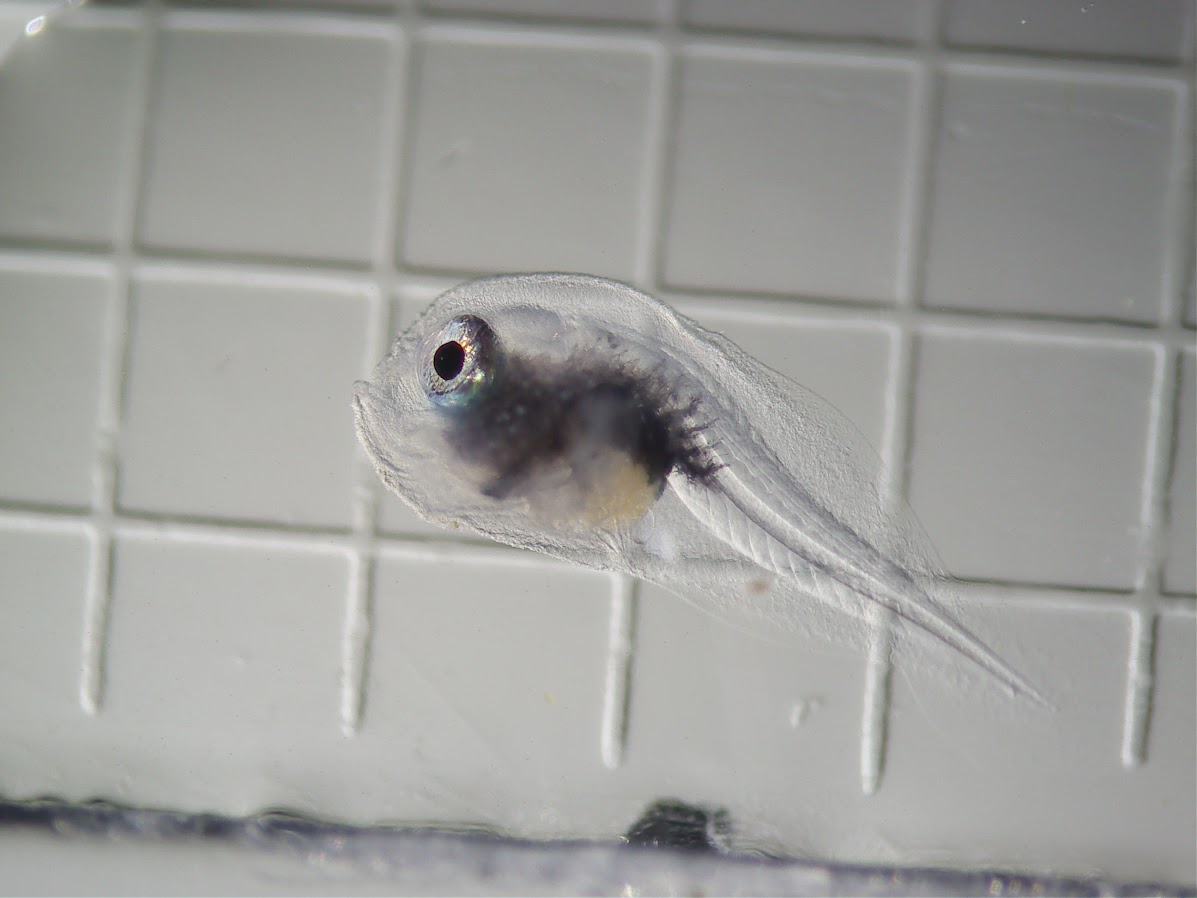
Over the past five months, animal care experts at Shedd have been carefully adjusting the environment and diet for the warty frogfish, supporting the animal from the microscopic larval stages to the juvenile fish’s current 1-cm size.
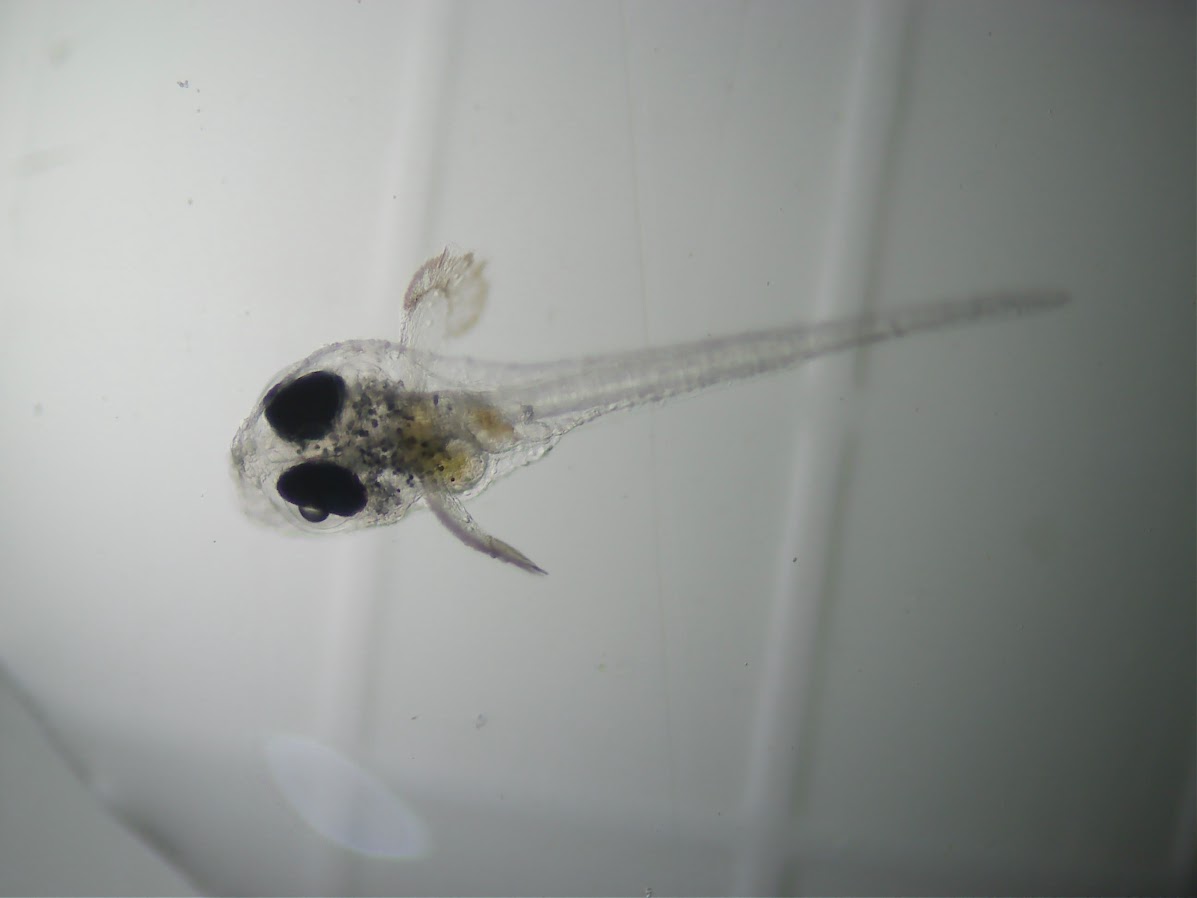
Shedd Aquarium is no stranger to larval fish rearing and has long been a pioneer in aquarium science. Experts at Shedd rear other fish species, like green chromis and round batfish, and collaborate with aquarium colleagues to share learnings and build sustainable populations, supported by a grant from the National Oceanic and Atmospheric Association (NOAA) awarded to Shedd and partner aquariums in 2022. A few years ago, Shedd’s animal caretakers also successfully reared “mystery fish” eggs, later identified as yellowtail fusilier, and eventually reared dozens of fish to transport to aquariums across the country.
The journey for this lone warty frogfish began in September 2025 when animal caretakers at Shedd were surprised to find a gelatinous egg mass floating in the habitat of two warty frogfish in Wild Reef. The caretakers carefully moved the egg mass to a special habitat behind the scenes and kept a close eye as the eggs hatched into thousands of larvae.
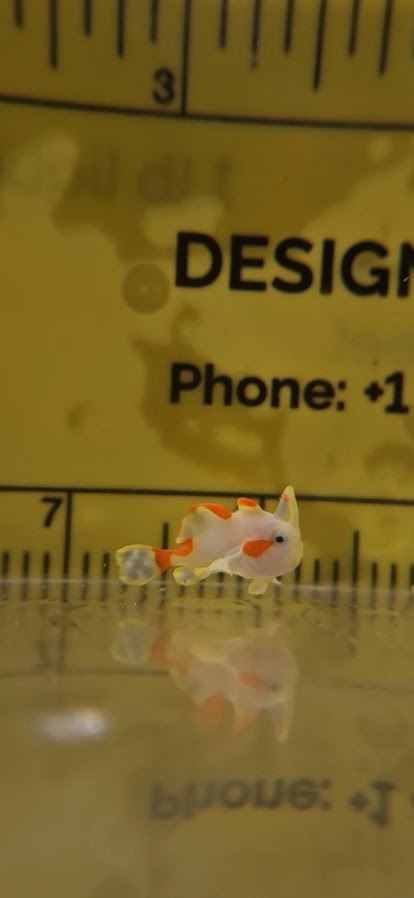
While it’s quite common for fish to lay thousands of eggs at a time, they do so because survival rates tend to be fairly low. Early in life, marine fishes go through several larval stages, all of which can be very complex and require specific food and conditions. Shedd experts used their knowledge of rearing other fish species to determine the best water temperature, flow rates, light levels and diet for the warty frogfish, despite having no other recorded instances of the species being reared in an aquarium. The little fish currently eats a diet of brine shrimp, which are also grown in-house at Shedd as part of the live foods program.
“Now that the young warty frogfish has settled, the tiny fish behaves just like adults – walking along the seafloor with modified fins, ambushing prey and using their lure – which is adorable for an animal that is less than the size of a dime,” said Kayla Melton Rogala, senior aquarist.
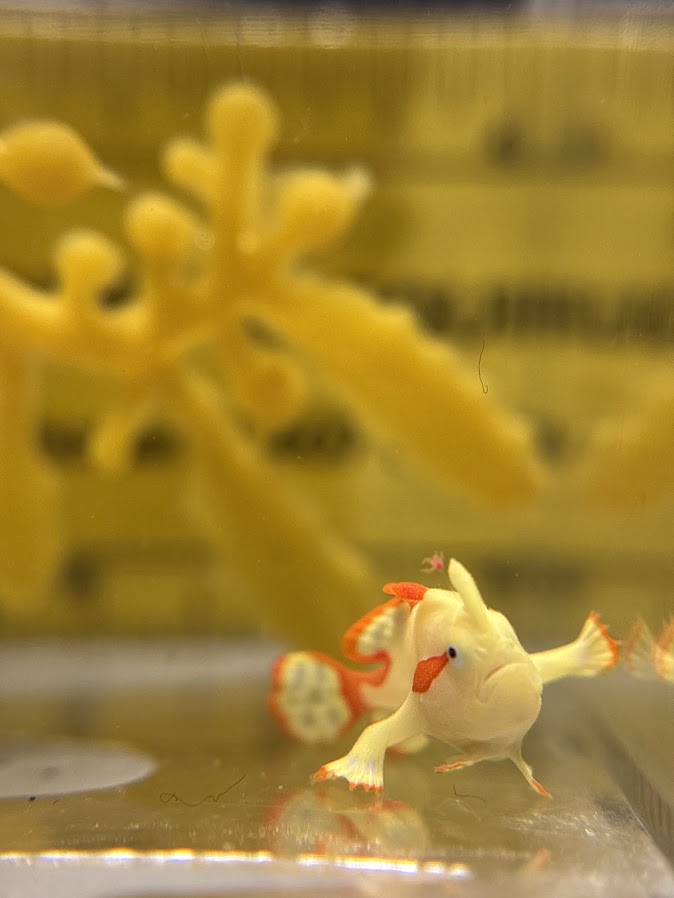
Warty frogfish are found in coral reefs and rocky seabeds in tropical and subtropical waters around the world, most commonly in the Indo-Pacific region. Their bodies are covered in wart-like bumps and can vary in colors and patterns from yellow and orange to red and brown, allowing them to camouflage in their environment. As ambush predators, warty frogfish use a small, modified fin on their head to lure in prey before striking.
Animal caretakers continue to monitor the warty frogfish baby behind the scenes at Shedd and track the fish’s growth, sharing their findings with the scientific community. Guests can spot adult warty frogfish on exhibit in Wild Reef, most often seen camouflaged among the rocks of their habitat.