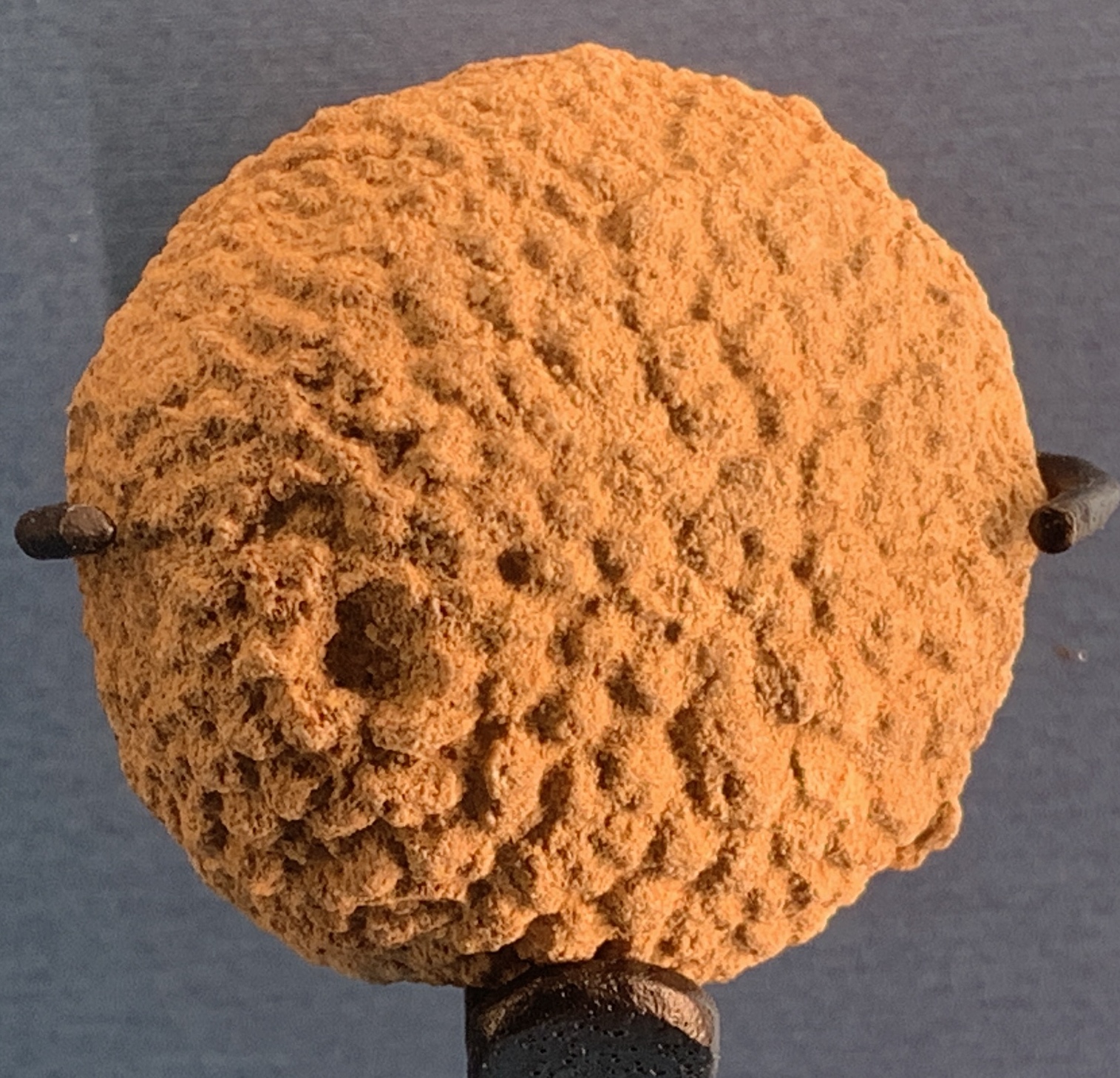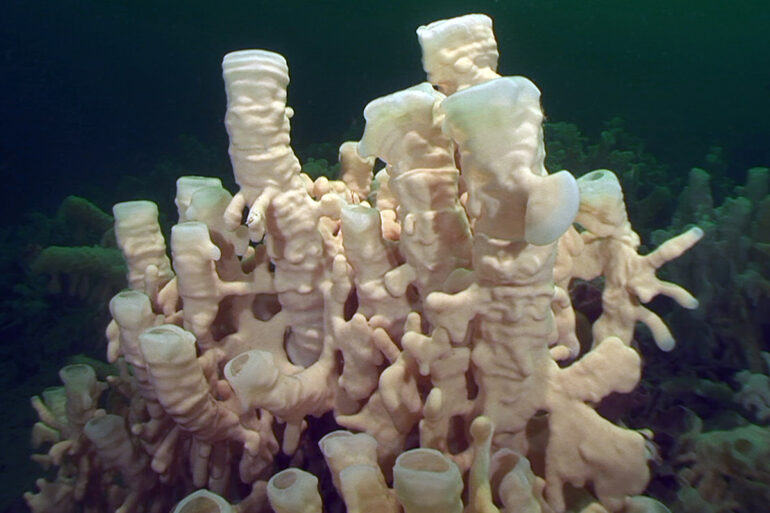
If you were asked to imagine the oldest animal on earth, what comes to mind first? An amoeba (not actually an animal), fish, bird, or even a dinosaur? I know that’s what my answer would be. However, a new study published in the Proceedings of the National Academy of Sciences suggests that the first animal on Earth was something completely different: a sponge!
Scientists used biomolocules called chemical fossils to determine that sponges are one of the oldest animals to ever exist on Earth. The sponges belong to the class of sponges that are still around today: demosponges. Scientist used the demosponge genetics to help identify the ancient sponge. Unlike the fossils we’re familiar with, while these chemical fossils helped ID the animal, the scientists don’t know what the sponges actually looked like.
“We don’t know exactly what these organisms would have looked like back then, but they absolutely would have lived in the ocean, they would have been soft-bodied, and we presume they didn’t have a silica skeleton,” said Roger Summons, professor at MIT’s Department of Earth, Atmospheric and Planetary Sciences, in a press release.
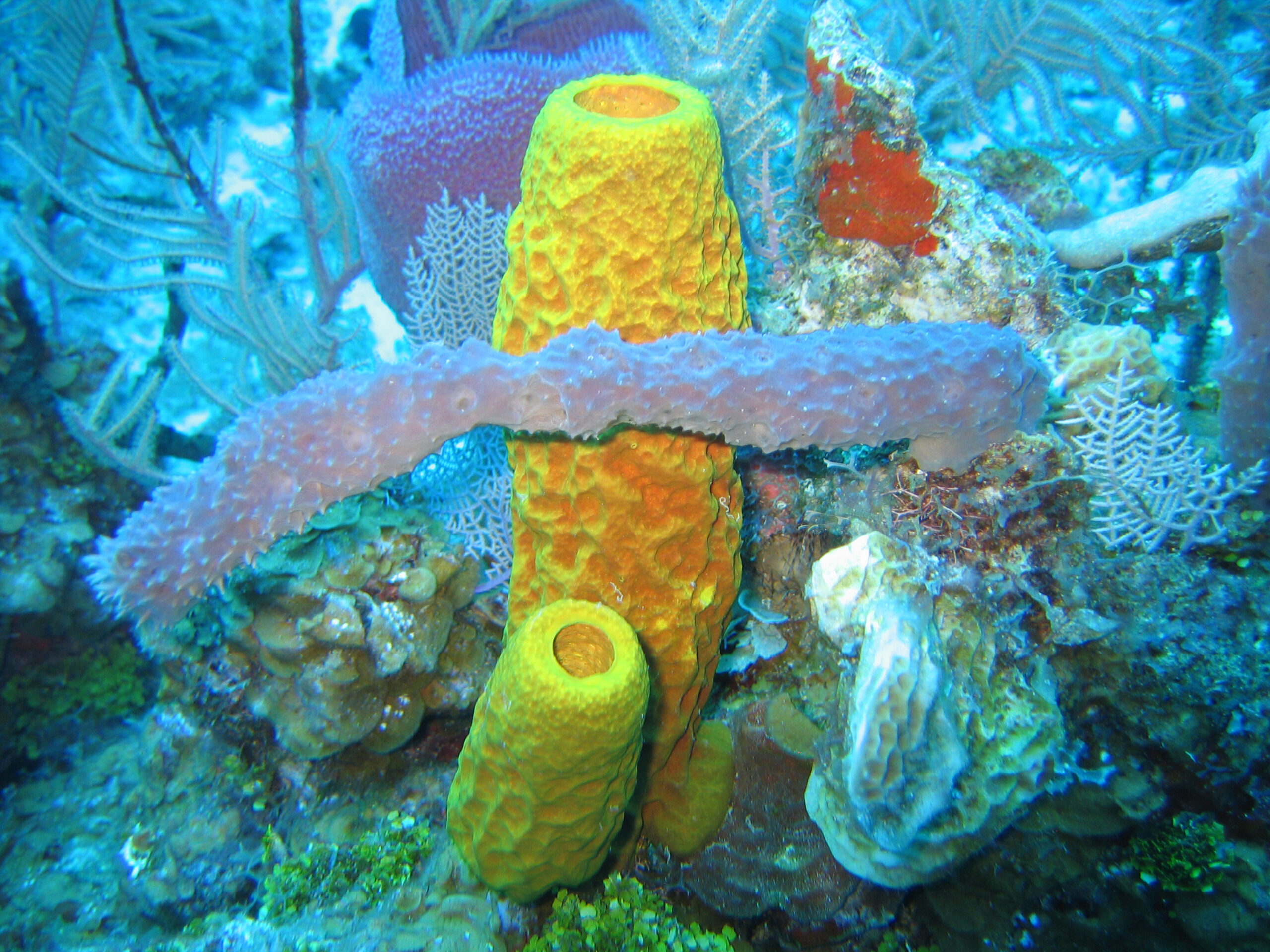
Chemical Fossils?
Chemical fossils are the preserved organic molecules and molecular fragments left behind by ancient organisms. These “fossils” provide chemical evidence of past life in geological formations like rocks and fossil fuels. Unlike regular fossils that leave behind physical remnants, chemical fossils provide stable chemical compounds that are then studied. They’re especially useful for soft-bodied creatures that left no physical body fossils.
Interestingly, the chemical fossils used in this study are known as steranes, the geologically stable form of sterols, like cholesterol. So how does that lead one to conclude that sponges are the oldest animal? It’s all due to a specific sterane: 31-carbon, which is rare and was found in abundance in the rock samples. Since sponges only produce two steranes (30-carbon and 31-carbon), the scientists concluded that this was evidence of 541 million years old sponges from the Edicaran Period in what’s know today as Oman, India, and Siberia.
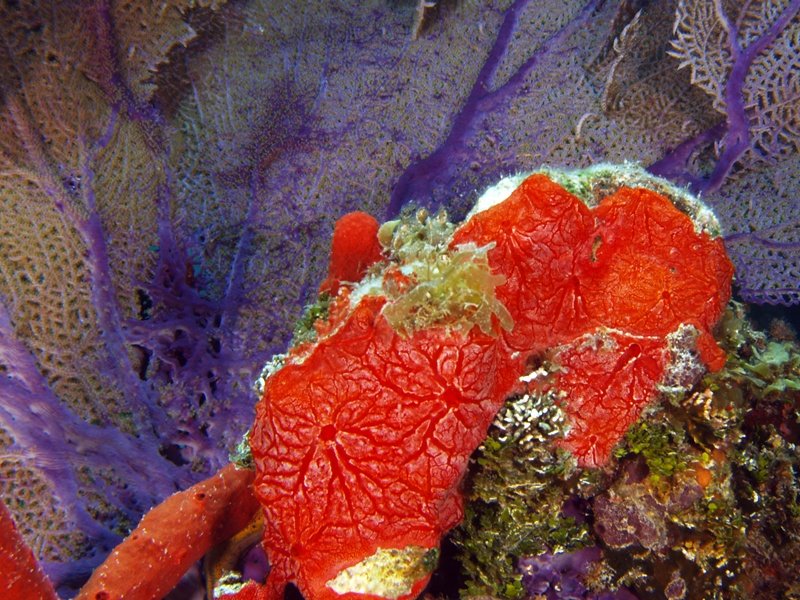
16 years in the making
The original discovery and hypothesis was formed in 2009 when preserved 30-carbon sterols were found in rocks in Oman. However, other scientists contested the claim and believed that 30-carbon sterols could have been left by other organisms or even geological processes.
It wasn’t until the discovery of 31-carbon sterols, that the original hypothesis has gained more traction. Scientists claim this rare sterol indicates a biological presence (rather than geological). Future research plans include searching for both sterols in rocks from other locations around the world with the hopes of further narrowing down the date when these sponges first existed.