

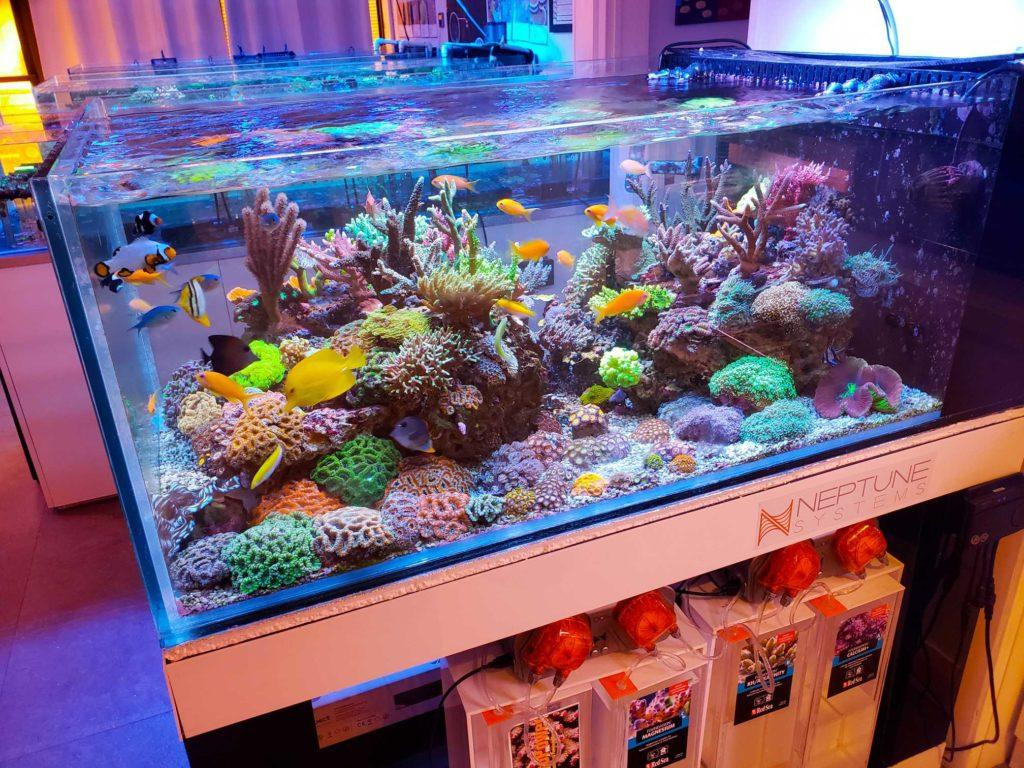
I’m optimistic that a lot of new hobbyists, before getting into reef keeping, do lots of research and planning before starting! Personally, I did very little and jumped right in with very little idea of what was to come. There’s so much good information out there today available to new reefers: YouTube videos, articles, magazines, and information from club meets. Literally countless hours can be spent preparing, but some lessons can only be truly understood by first hand experience. These are the 5 things I wish I knew before starting a saltwater aquarium.
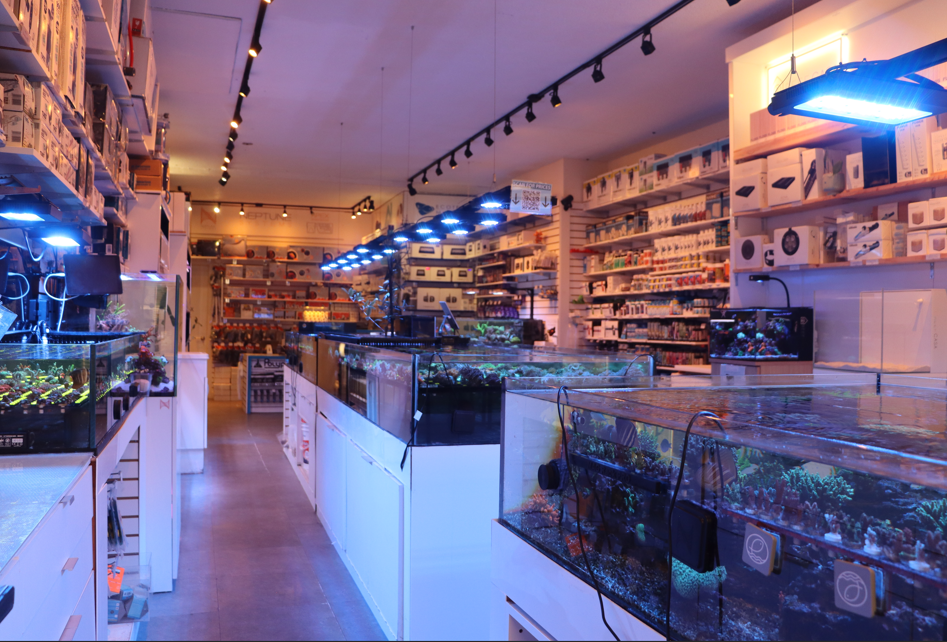
The addiction led to Fragbox corals so its not all bad!
1. I wish I knew how addictive it was.
I wouldn’t consider myself someone with an addictive personality. Most of the common mainstream vices associated with addiction have had little to no effect on me. An exception, however, is made when it comes to reef keeping. It can sound strange to someone who has never been in the hobby. How can you be addicted to reef keeping? To those that are in the hobby and are going through the same thing, it can actually sometimes be a form of relief to know you’re not alone. To know there are others out there that have become so obsessed with their tanks. When did I notice a healthy hobby was becoming an addiction? I think there were two telltale signs. One was when I started lying, and the second would keep me up REALLY late. I’d lie about my whereabouts to family, friends, and loved ones because I became obsessed with going to saltwater specialty stores. Sometimes driving many hours to get them, skipping university classes, and in rare cases work. I’d be unable to sleep so many countless nights, just glued to Reef Central or Reef Builders, reading obsessively about the hobby. I’m sure for many hobbyists they never experience these extremes. I just wish I knew how addictive the hobby could be before starting. Now I’m not saying it’s all bad; the hobby for me has turned into a thriving and successful business for nearly 15 years now! So in some ways it was the best possible. outcome to an addiction.

My first LFS was called Pj’s pets and found in the basement of Yorkdale mall
2. I wish I knew how to be more skeptical.
When I started reefing, we had just gotten our first computer at home with Windows 1998, but my father was too cheap to purchase internet for the home. My only resource for reef keeping was the first pet shop I found in the basement of a mall close by called PJ’s Pets. I knew virtually nothing, and the people working there, I now realize, knew even less. I took their word as the word of God. After much trial and error, I found a second store in Toronto that I won’t name. I was young and impressionable, and again at this store I followed everything the shop instructed religiously, not learning the lessons from the previous store. I had little to no skepticism, but OH, how times have changed.I now even question the results I get from ICP water testing. I test my own test kits.I question everything, including myself and my own memories, as I have found they’re not as reliable as I once thought. I listen intently to others and am always looking to grow and learn more but take everything I know with a grain of salt.
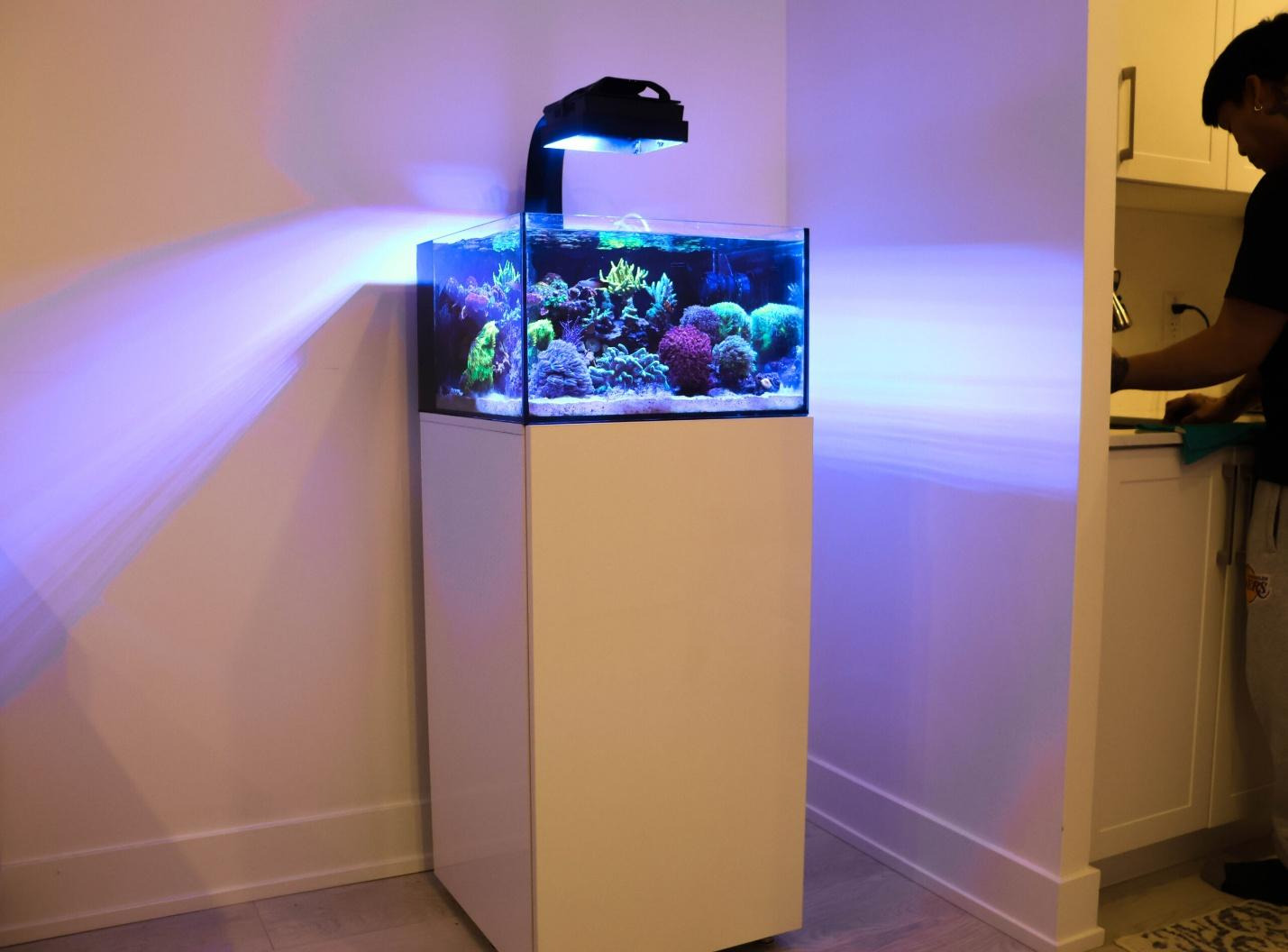
A beautiful 24 gallon all in one reef casa aquarium running ozone, a skimmer and weekly water changes
3. There’s no rule book.
I had no idea how personal each tank is. As a young reefer, I was always trying to crack the secret code to reef keeping. I didn’t realize that there is no real finish line; you don’t one day go, “That’s it! I beat it; I won’t keep reefing. I’m done now; I’ll shut down the tank and post it on Kijiji.” These words were never spoken by any hobbyists, ever… Each tank is vastly different; each reef keeper’s techniques can also be different but create the same results. People ask us all the time in the shop what’s the right way to reduce nitrate, but there is no right answer. In my early reefing career, vague answers like this drove me nuts, but with time you realize that in many cases there really is no singular defining right or wrong answer. In the case of nitrate reduction, biopellets in reactors were super common, but now I can’t remember the last time I saw one. Refugiums will have the same effect and are ever growing in popularity, especially now with external canister-style ones. Water changes, the backbone in my opinion of keeping a healthy tank, will have nitrate-reducing effects. Carbon dosing as well is a tried and tested way. There’s no rule book that says one is better than the other, and we often have to try one, some, or all of the different known techniques to achieve a desired result in our tanks.
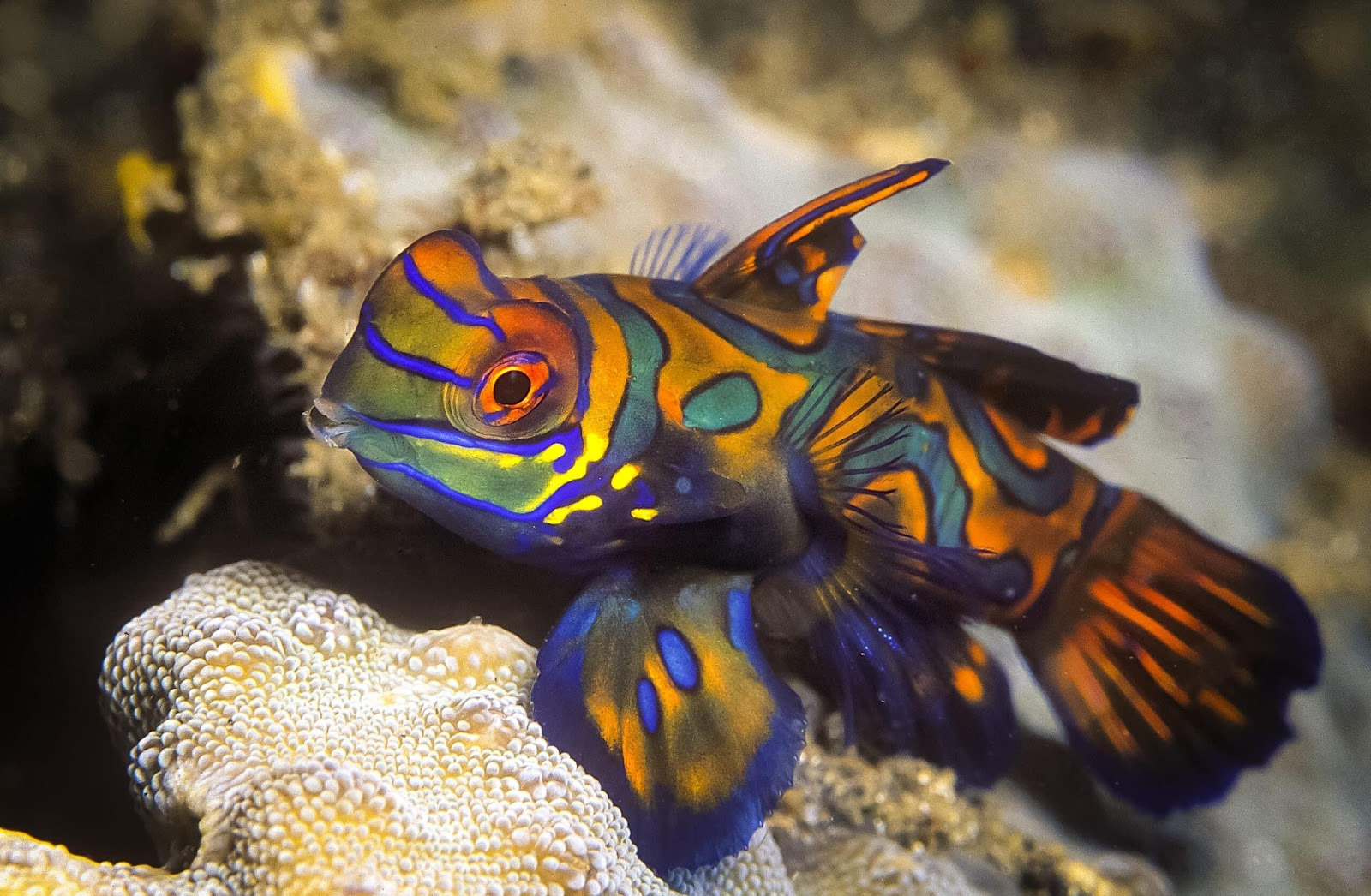
A fish struggle to keep early on due to lack of research
4. I wish I knew how to be patient.
This is something that, with nearly 20 years of reef keeping, I still struggle with. Reef keeping is, I believe, one of the most testing hobbies when it comes to patience. It will reward those who have this quality and punish those who don’t, and I’ve paid the price many times. Why is it so hard? I’ve asked myself many times, and I think it’s this. In many other hobbies, let’s say you collect collectible cards. You go out, spend the money on the ultra-rare 1st edition holographic Blastoise, and you get that immediate satisfaction. But in reef keeping everything is delayed gratification. Let’s say you set up your dream tank, you spend $5,000, you have all the equipment, and you set it all up, and then? And then what? Then you get a very expensive box of saltwater. Then it’s a waiting game, waiting for the cycle, waiting for the fish, waiting for the corals, waiting for them to grow. Waiting for maturity, waiting for everything. Many want the Instagram-worthy, jaw-dropping, glowing, torch coral-filled, acropora-plating-covered tank, but it’s simply not possible without the most important ingredient: time
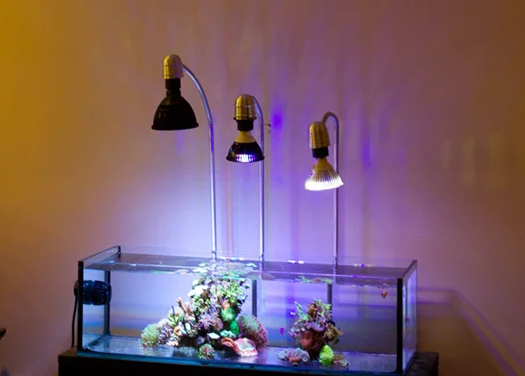
An early tank of mine I fielded with a crashed countless times
5. I wish I knew I was the problem.
I shot a Fragbox TV video episode once in Krakow, Poland. The shop was run by a true hobbyist; it was a very old store with lots of really cool corals and old equipment. Things done old-fashioned, real reefing. The shop owner said something at the end of our time together that just really hit home. I repeat the line all the time to customers and to people in the hobby. He said to me, “The worst thing for the reef aquarium is the hobbyists.” Now I understand how silly it can sound, but he is, I assure you, 100% right. I can remember so many times I had aquariums of various sizes; the tanks are coming along beautifully. Corals and fish are happy, even thriving, but I think it’s fair to say that we as hobbyists, myself included, are always chasing. Chasing better color, chasing faster growth, chasing the ultimate aquarium in terms of efficiency and aesthetics. And in this endless pursuit we make changes, add new products, change our schedule, or just can’t keep our hands out of the tank. I’ve crashed many beautiful tanks this way, one time in a very spectacular fashion with some Zeovit products (not Zeovit’s fault—100% my own, but that’s another story).
The point is that we take our hands out of the tanks and just let the animals be; they will often thrive with little to no human intervention.


Discover the vibrant world of reefkeeping with ReefKG – your go-to destination for everything related to coral reefs, marine life, and aquarium tips. Check out our website and dive in! reefkg.com
Very well written! And congrats on making it to the Reef Builders site.