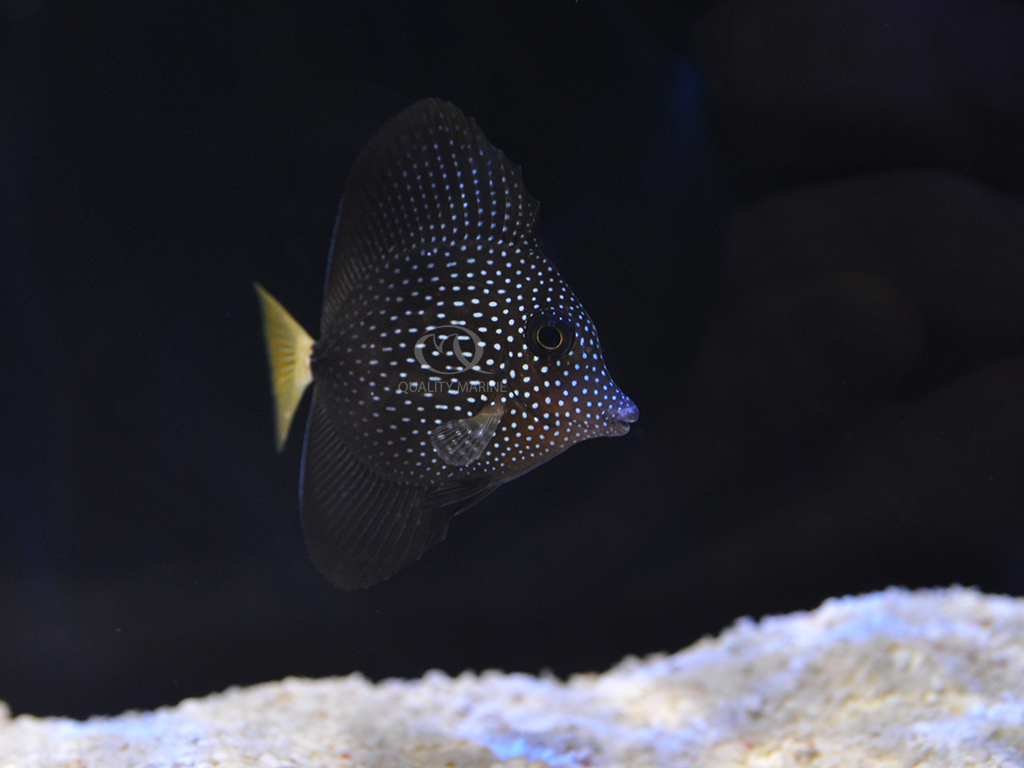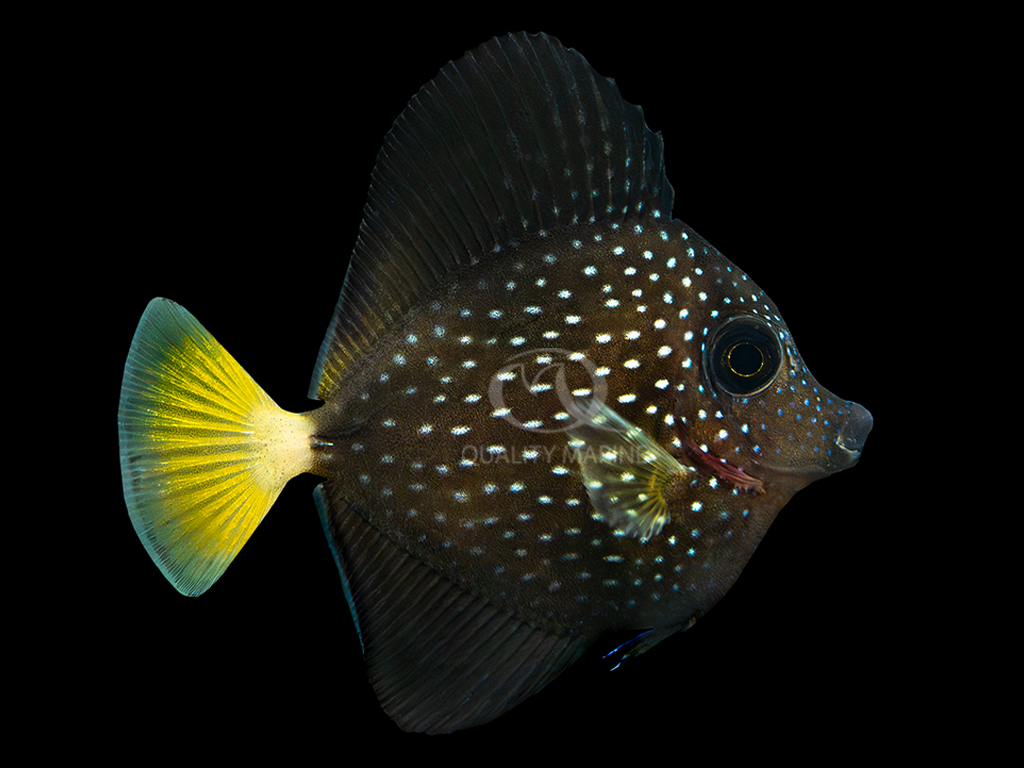
Breaking news with an RB exclusive: One of the most sought after (and best looking) tangs will soon be available from the aquaculture lab at Quality Marine! It’s been painful keeping this under wraps and I’m thrilled to share the excitement with you. It’s been a little over 10 years since the Oceanic Institute cracked the yellow tang, Zebrasoma flavescens, code and tangs began appearing for sale at stores; and this was after 10 years of work! Ten years later, we now have the Gem tang; seems like 10 is the magic number when it comes to tangs. At their debut, the aquacultured yellow tangs retailed for over $200 compared to the $30 price point of the wild caught specimens. No word on what the aquacultured Gems will retail for as yet, but I’d expect it to be higher than the wild caught ones for now.
The official QM press release below:
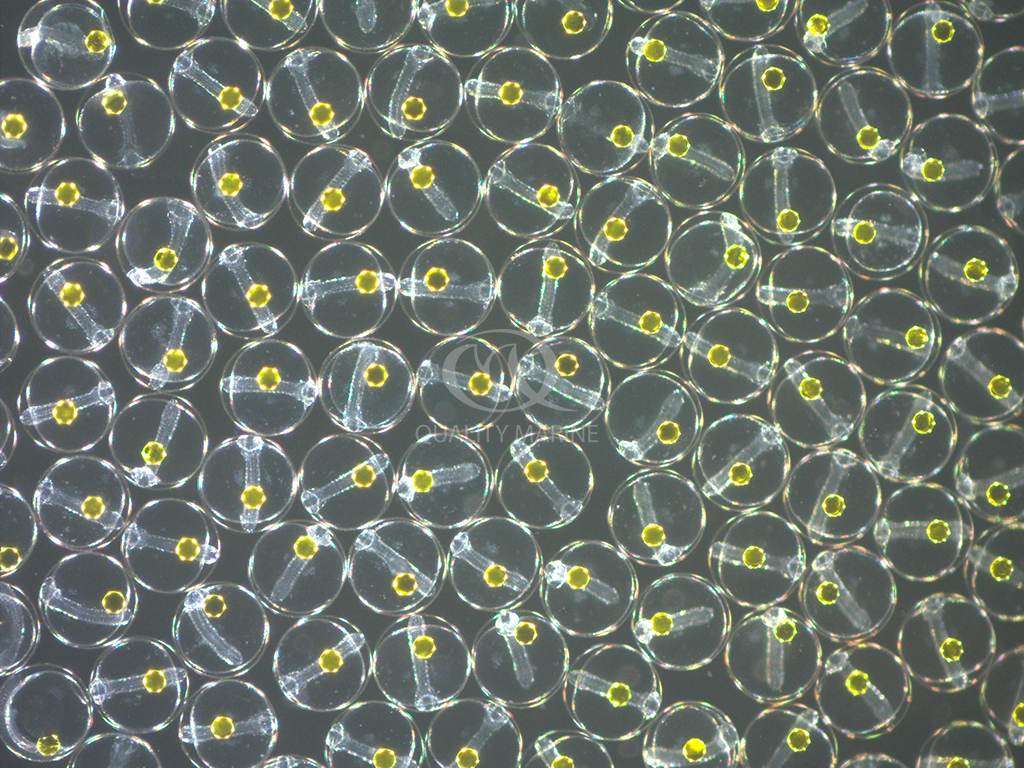
World’s First Aquacultured Gem Tang: Quality Marine Labs Achieves Historic Milestone!
Sustainability has always been a core value at Quality Marine. Advancing aquaculture to complement sustainable wild collection is essential for the future of the aquarium trade and the health of our oceans. At Quality Marine, we actively support aquaculture and mariculture initiatives worldwide while continuing to innovate and push boundaries at our QM Labs Aquaculture facilities.
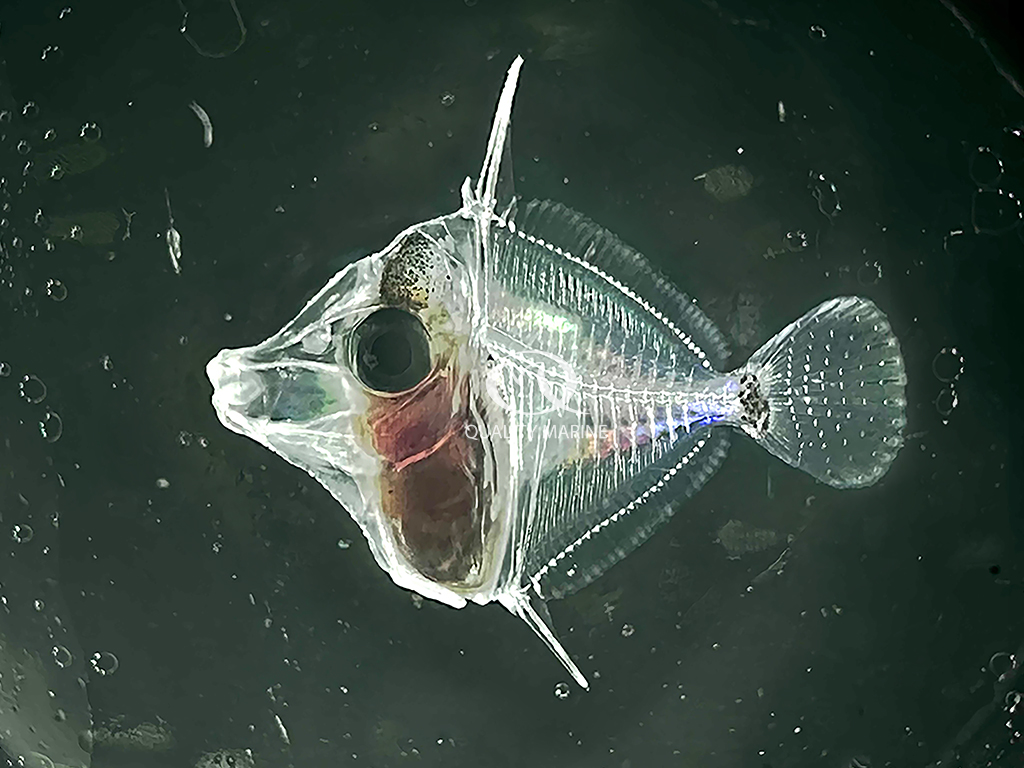
We are incredibly proud to announce a historic achievement: Quality Marine has successfully aquacultured the world’s first Gem Tangs (Zebrasoma gemmatum). These remarkable fish were bred and raised at our state-of-the-art QM Labs aquaculture facility in Los Angeles. They are thriving and actively feeding on Nutramar dry foods—an essential factor for their success in home aquariums. Raised in controlled environments with regular human interaction and formulated diets, these fish adapt rapidly to aquarium life and readily accept commercial food preparations with minimal transition. Throughout their development, Quality Marine has closely monitored their health and nutritional needs, emphasizing premium nutrition from the earliest life stages.
Gem Tangs are a stunning marine species and are highly sought after for their striking appearance and rarity in the aquarium trade. These fish are native to the Western Indian Ocean, primarily found around South Africa, Mozambique, Madagascar, Mauritius, and Réunion. They inhabit depths of 23 to 200 feet (10–60+ meters) and feed on benthic algae. These fish require a large, mature aquarium of at least 150–180 gallons, with ample open swimming space and abundant rockwork for grazing and hiding. Known for their territorial nature, they are best housed in species-focused or peaceful community tanks with non-aggressive tank mates. Gem Tangs thrive in stable, pristine water conditions and require an herbivorous diet primarily consisting of algae, supplemented with high-quality marine flakes, pellets, and nori to maintain their health and vibrant coloration. Regular monitoring of water quality, moderate to strong water flow, ample grazing surfaces, and a calm environment are crucial to minimizing stress, preventing disease, and ensuring their long-term success in captivity.
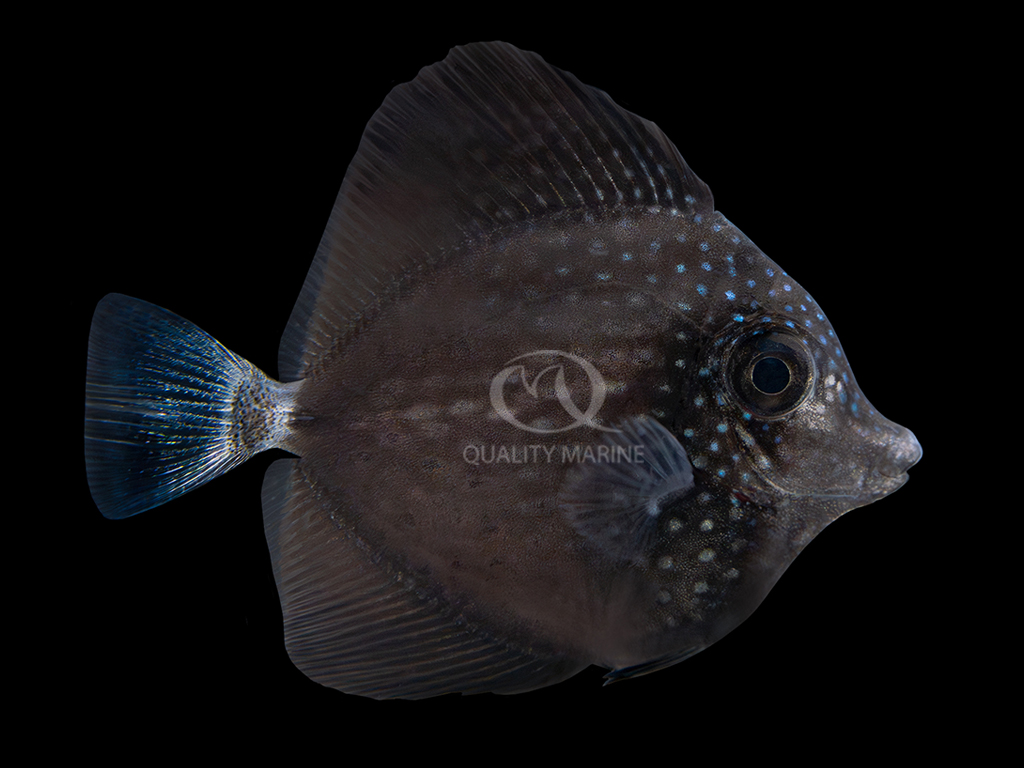
This achievement represents a major milestone for QM Labs, which has been actively culturing a wide range of both demersal and pelagic species. While these aquacultured Gem Tangs will initially be available in very limited quantities, we will continue refining our culture techniques to expand production. At the same time, we remain committed to supporting sustainably wild-harvested Gem Tangs, ensuring that wild populations are preserved while advancing aquaculture as a viable alternative.
Quality Marine is dedicated to providing the highest-quality marine organisms to the aquarium hobby and trade, having championed responsible, sustainable wild collection as a cornerstone of the industry. Sustainable wild harvests are not only critical for the environment but also play a vital role in supporting the coastal communities from which these species originate. Looking ahead, Quality Marine plans to expand the capabilities of its QM Labs aquaculture facility by refining production methods and pursuing the cultivation of new species that have not yet been commercially viable.