

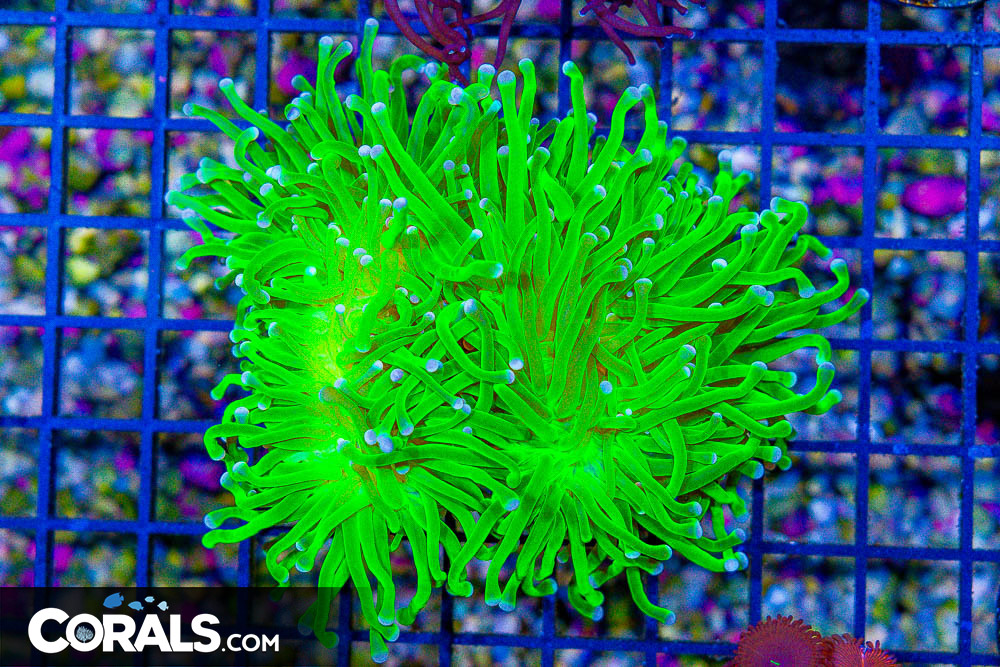
Torch Corals, commonly known as Torches, are among the most popular Large Polyp Stony (LPS) corals in the aquarium hobby. Many enthusiasts consider them the “Kings of the Euphyllia” genus, which also includes Branching Hammers, Wall Hammers, and Frogspawn. These long-tentacle, flowing corals originate from the reefs of Indonesia, Australia, Fiji, and Tonga, and have made a significant impact on the saltwater aquarium industry.
Distinctive Features and Varieties
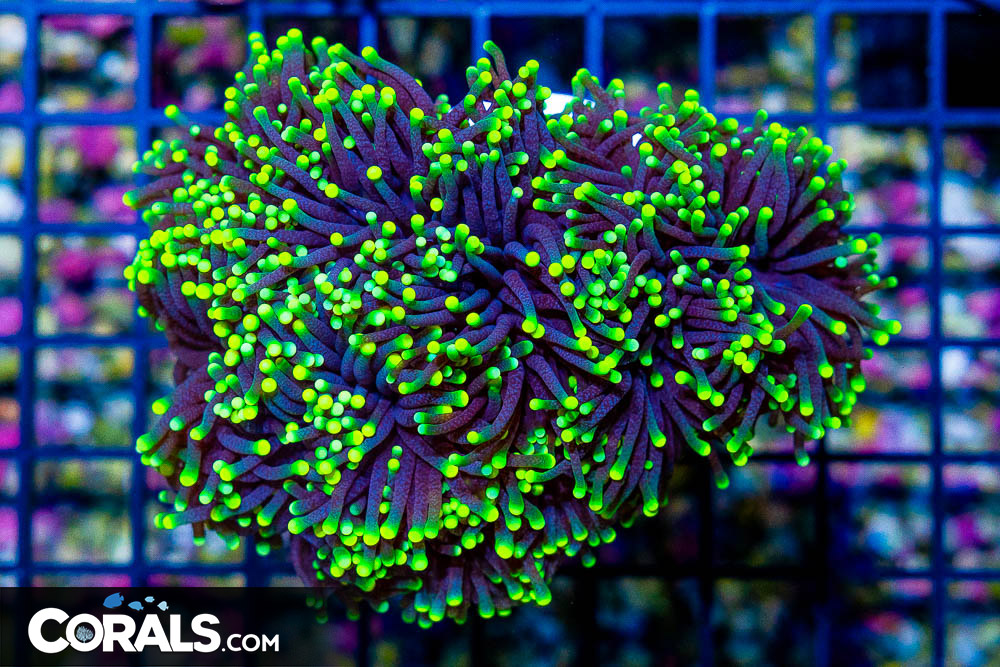
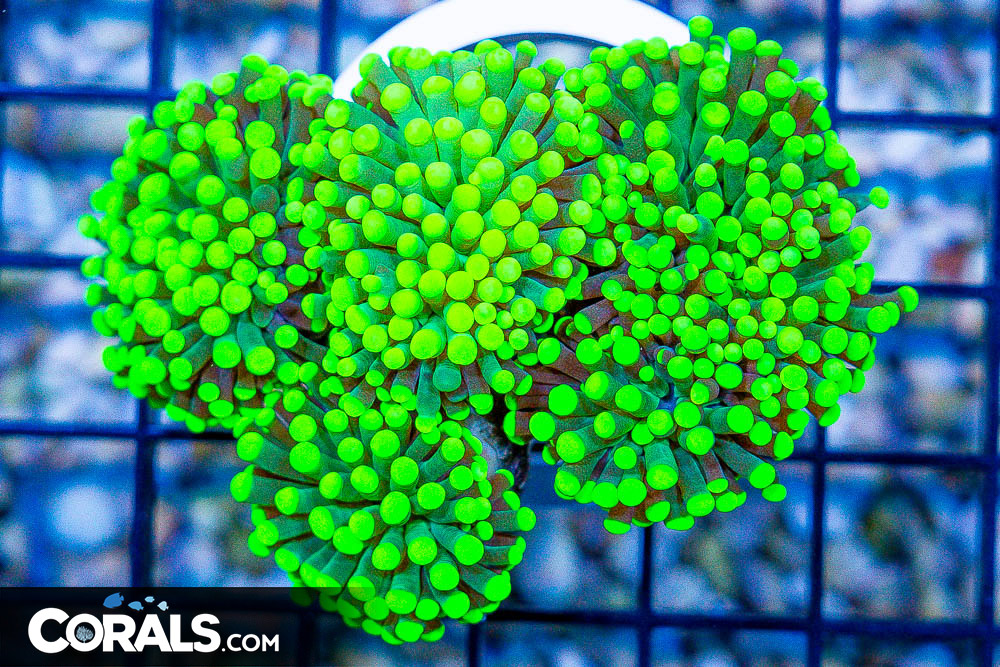
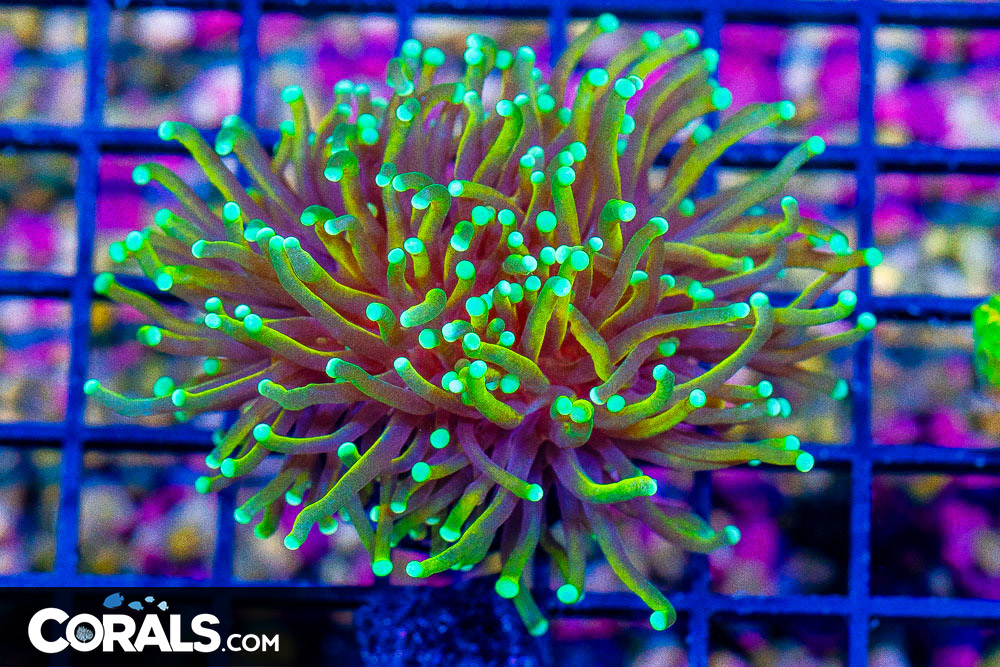
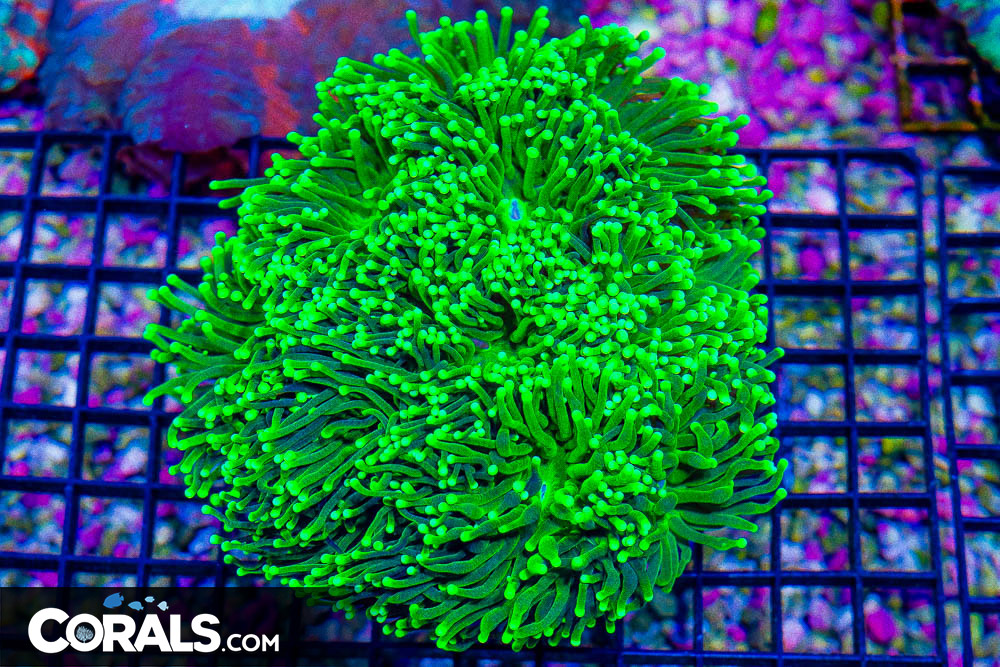
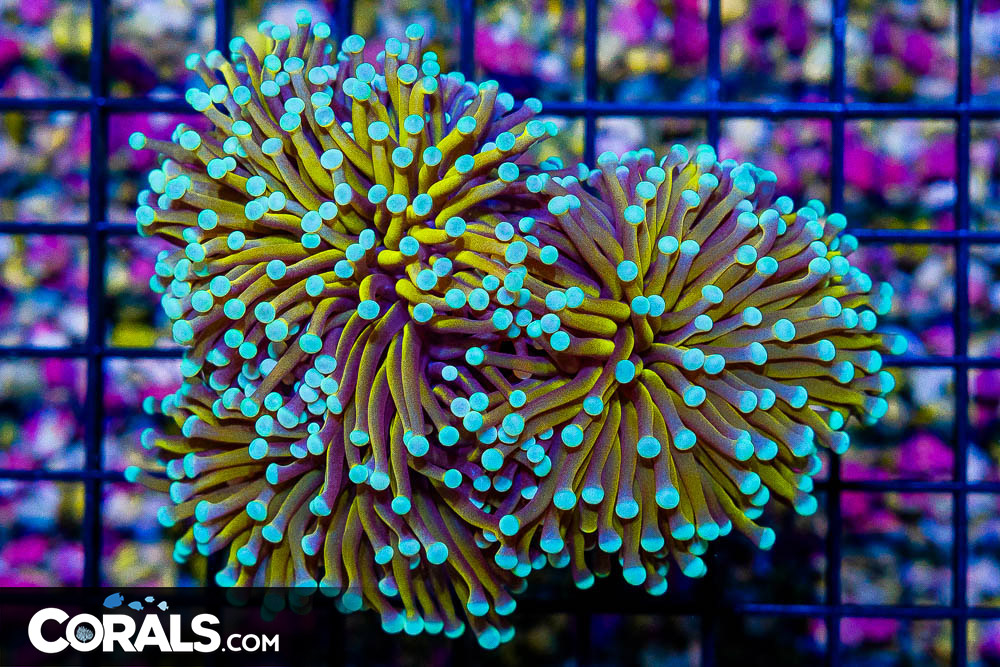
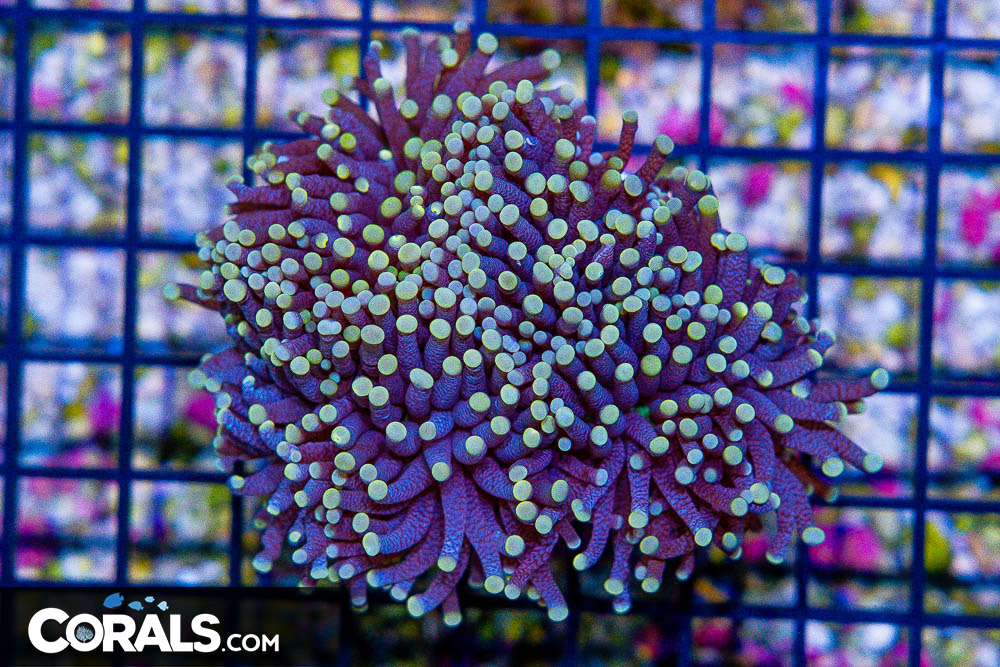
The most striking feature of Torches is their long, fleshy tentacles with sphere-shaped tips that sway gracefully with the aquarium’s current. These tentacles exhibit a wide range of colors, including various shades of green, gold, purple, and orange, and are known to fluoresce beautifully under blue lighting.
Popular varieties you might encounter include ‘Holy Grail,’ ’24k Gold,’ ‘NY Knicks,’ ‘Tiger,’ ‘Banana,’ and ‘Dragon Soul.’ The combination of tentacle and tip colors creates a mesmerizing display, especially in a large colony. Appearance can vary by region; for instance, Indo Torches typically have more pronounced tentacles, while corals from Fiji and Tonga may have shorter ones.
Nutrition and Feeding
Like most corals, Torches get their color and primary energy from the photosynthetic zooxanthellae that live within their tissue. However, they benefit greatly from occasional spot feeding. Finer foods, such as mysis and brine shrimp, can be pipetted near their tentacles. The coral will then grasp the food and bring it into its center mouth.
Lighting
Torches are quite adaptable and can tolerate a broad spectrum of lighting levels. While moderate lighting is generally recommended, they can be slowly acclimated to higher or lower PAR levels. As long as the change is gradual, Torches typically adjust well to their new lighting conditions.
Water Flow
Flow is a more critical factor, with a moderate to high range being the standard. Crucially, the flow must be randomized. Randomized flow allows the coral to sway naturally, mimicking its wild environment and encouraging full polyp extension.
- Too aggressive or direct flow can damage the coral’s fragile flesh, prevent it from opening, and cause wounds.
- Too little flow can cause the coral to sit stagnant, leading to detritus accumulation, polyp retraction, and potential infection.
Water Parameters
Stable water parameters are paramount for Torch coral health. While a range is provided below, stability is the most important factor. Consistent levels within these ranges will allow Torches to thrive.
| Parameter | Recommended Range |
| Temperature | 75–78 degrees Fahrenheit |
| Specific Gravity | 1.025–1.026 |
| Alkalinity (Alk) | 8–12 dKH |
| Calcium (Ca) | 420–450 ppm |
| Magnesium (Mg) | 1300–1500 ppm |
Reproduction
Torch corals reproduce in two distinct ways:
- Sexual Reproduction: Through spawning events, where gametes (sperm and eggs) are released into the water, fertilize, and eventually settle. While uncommon, spawning is known to occur in well-established aquarium systems.
- Asexual Reproduction (Budding): This is the most common method in aquariums. The skeleton grows outward, and the polyp splits into two separate heads. This natural process is the basis for aquaculturing: large colonies are grown, and single heads are removed by cutting (fragging) and then grown out to repeat the cycle. Torches are relatively easy to frag due to their distinct, branching skeleton, which has contributed to their wide availability and popularity.
Aggression and Placement
Despite their beauty, Torches are aggressive. Their long tentacles, including even longer sweeper tentacles, can inflict a powerful sting.
- Placement: Torches should be placed a safe distance away from other coral species to prevent them from stinging neighbors. They are best kept with adequate space around them.
- Handling: Always handle Torches with gloves, as their sticky tips and tentacles can cause skin irritation.
Common Pests and Issues
Torches are susceptible to common coral issues, primarily:
- Euphyllia Eating Flatworms
- Brown Jelly Disease
It is crucial to monitor your corals and respond with appropriate treatment, such as an anti-bacterial/pest dip or medication, if an issue arises. The best method of prevention, beyond standard quarantine, is purchasing from a reputable retailer and selecting a visibly healthy specimen.Signs of an Unhealthy Torch:
- Very light in color, lacking rich or vibrant flesh.
- Flesh that appears pinched in several spots.
- Noticeable receding flesh.
- Tentacles that are retracted, or appear kinked.
It is highly recommended to avoid any Torches displaying these signs, as they may be battling an underlying health issue.
Swaying Torch corals have captivated hobbyists for decades and remain an amazing and rewarding addition to any reef tank.


Torch corals, often simply called torches, are some of the most popular LPS corals in the reef aquarium hobby. Many hobbyists even refer to them as the “kings” of the Euphyllia group, which also includes hammer corals and frogspawn. They originally come from reefs around Indonesia, Australia, Fiji, and Tonga, and their popularity has made them a major part of the saltwater aquarium trade. What makes torch corals stand out is their long, flowing tentacles with round tips that move with the current. They come in striking colors like green, gold, purple, and orange, and they glow especially well under blue lighting. There are also several well-known varieties such as Holy Grail, 24k Gold, NY Knicks, Tiger, Banana, and Dragon Soul.