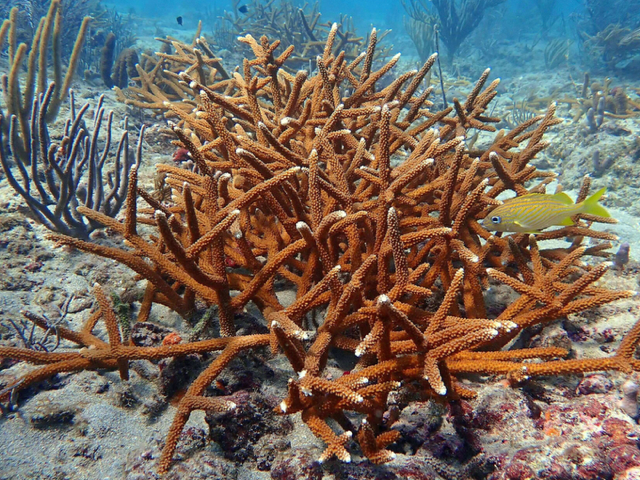
In a landmark victory for marine conservation, the U.S. Army Corps of Engineers has officially withdrawn its state permit application for the Port Everglades Expansion. This move marks the most significant breakthrough in a decade-long battle to protect Florida’s fragile coral ecosystems from a project that NOAA previously warned would cause the “largest impact to coral reefs permitted in U.S. history.”
A Decade of Advocacy Pays Off
The withdrawal comes after relentless pressure from scientists, divers, and over 35,000 petition signers. The Corps has indicated it is reconsidering the project’s scope, providing a vital window to re-evaluate the potential destruction of an irreplaceable ecosystem.
“This hard-fought pause is more than a decade in the making,” says Rachel Silverstein, Ph.D., Executive Director of Miami Waterkeeper. “This is meaningful progress… but until there is clear confirmation that this project will not move forward in a way that harms our reefs, we must remain vigilant.”
The High Stakes of the “Deep Dredge”
The proposed expansion threatens a biological treasure trove. If allowed to proceed as originally planned, the project would risk:
- 10 Million Corals: Including the last remaining stands of threatened Staghorn coral.
- Endangered Wildlife: Impacting breeding grounds for queen conch, as well as dolphins, sea turtles, and various reef fish.
- Economic Security: Florida’s reefs provide roughly $675 million in annual coastal protection by reducing wave energy by 95%.
Learning from Past Mistakes
Much of the opposition is fueled by the disastrous “Deep Dredge” at PortMiami (2013–2015). In that instance, sediment plumes smothered over 278 acres of reef—a catastrophic impact that was 84 times greater than the Army Corps’ original environmental predictions.
The Road Ahead
While the withdrawal is a cause for celebration, conservationists emphasize that the project is “paused,” not canceled. The focus now shifts to ensuring any future plans prioritize the survival of the reef—especially following the devastating 2023 heatwave that left the Port Everglades Staghorn colonies as some of the only survivors of their species.