Concrete is a global staple in construction. It’s all around us, everywhere. In fact, it’s so heavily used, it’s the second most used material behind water! It’s readily available, fairly inexpensive, and strong. The dark side, however, is it’s responsible for 10% of all carbon dioxide emissions around the world, due to it’s main ingredient: cement. How many of us have used Portland cement to bond rock structures in our tanks?
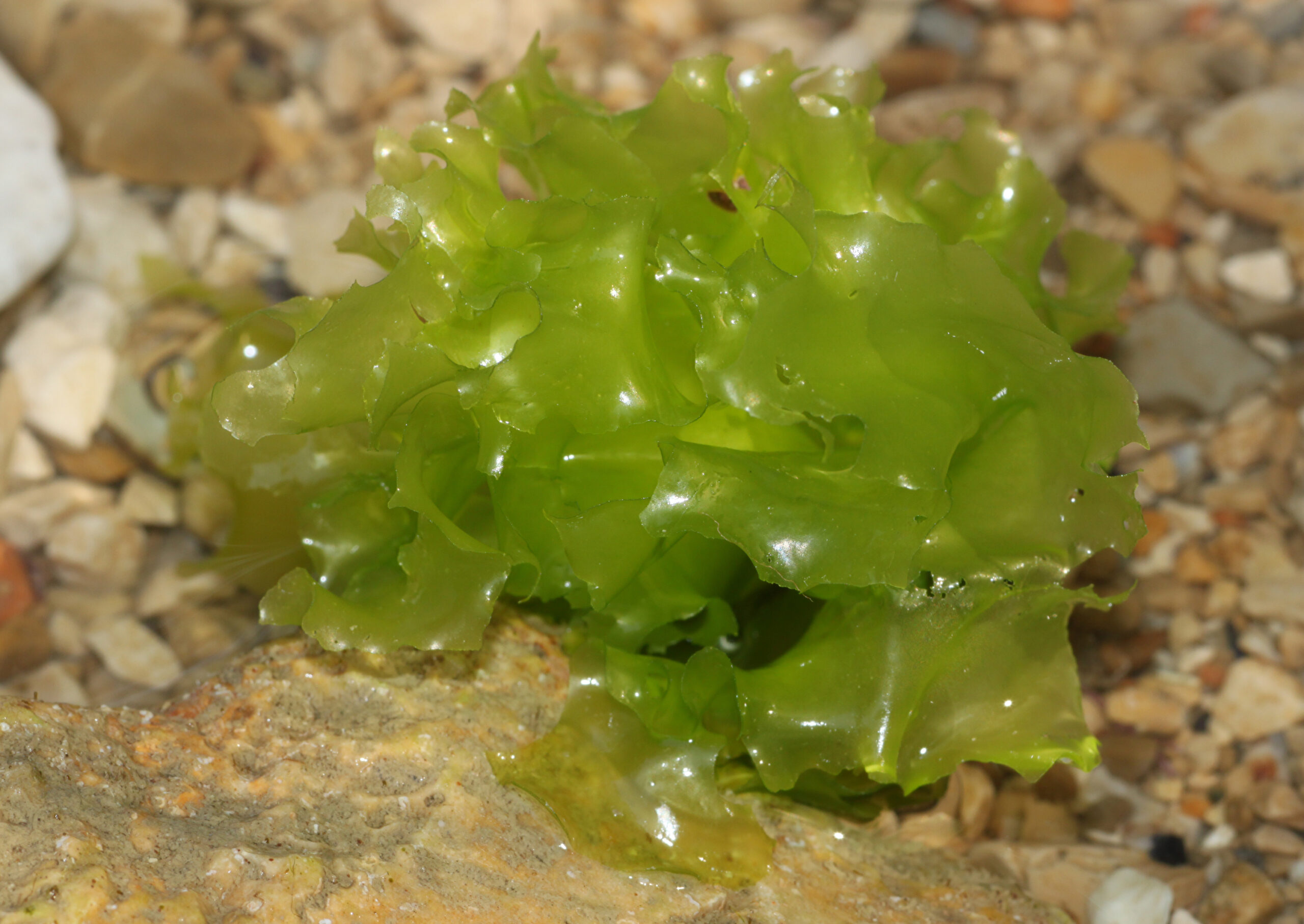
So how do we overcome this pollution issue without sacrificing strength? The researchers at the University of Washington and Microsoft hatched a clever plan and created a new cement mix using macroalgae. By mixing whole macroalgae with the cement, the researchers discovered a new concrete that has a 21% lower global warming potential while still retaining its strength. A couple of months ago, I wrote about how the macroalgae industry is going to explode in the near future (food, medical, etc.), and I’m not seeing any signs of that cooling off anytime soon.
What’s even cooler is that they used AI to speed up the research project. Normally, concrete needs around a month to cure before it can be evaluated for strength and integrity. This would result in a 5 year timeline, but with the help of machine learning, they completed it under a month!
The team still has to evaluate how the macroalgae affects cement performance. I’m sure they’ll feed that info back into the MLM and speed through the next step too.
Read the full paper here.