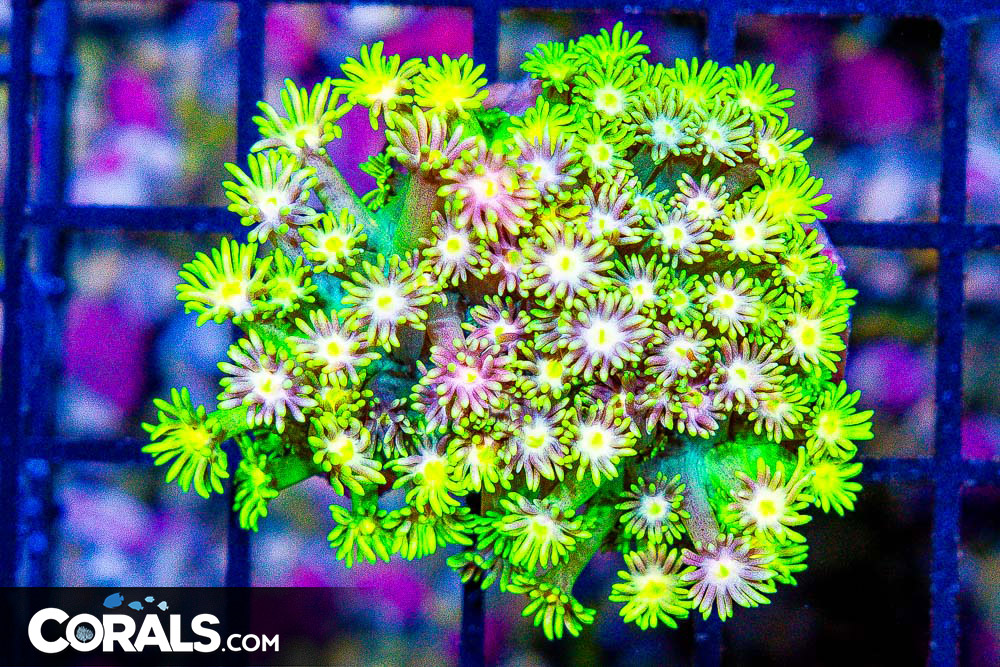
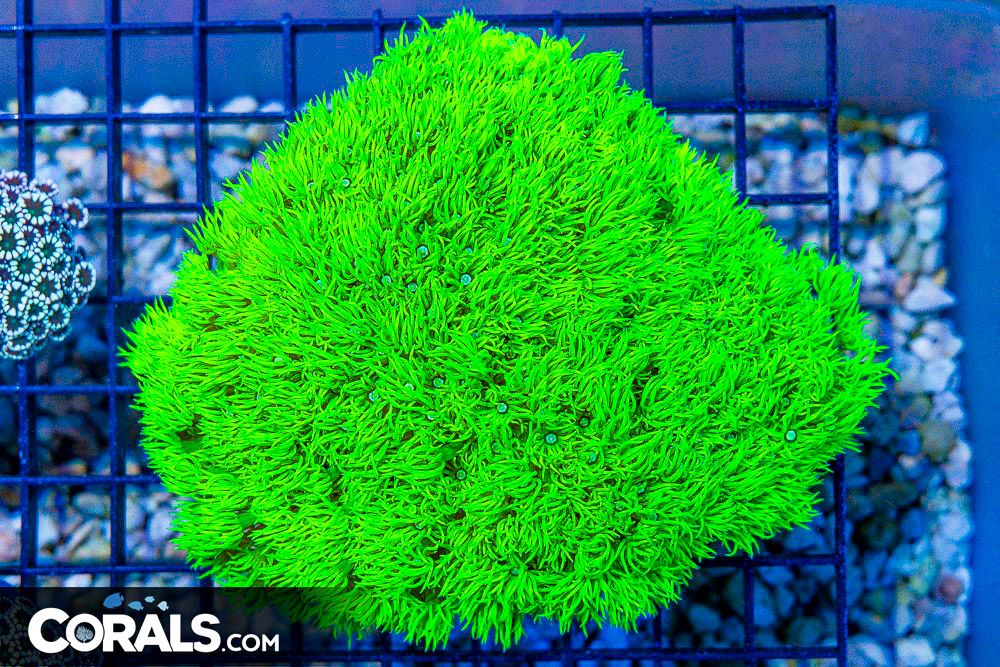
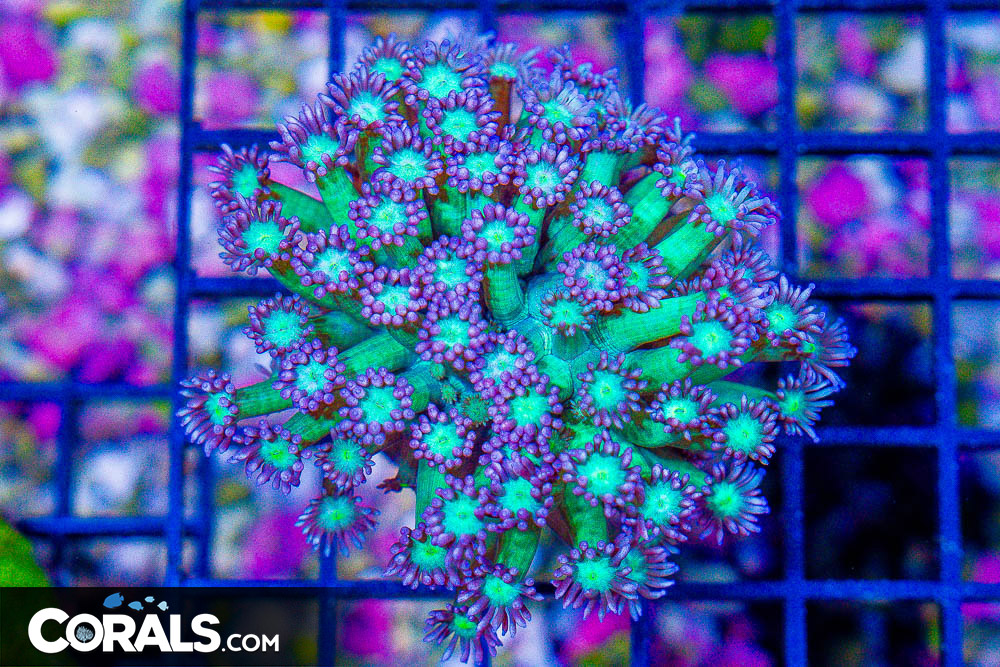
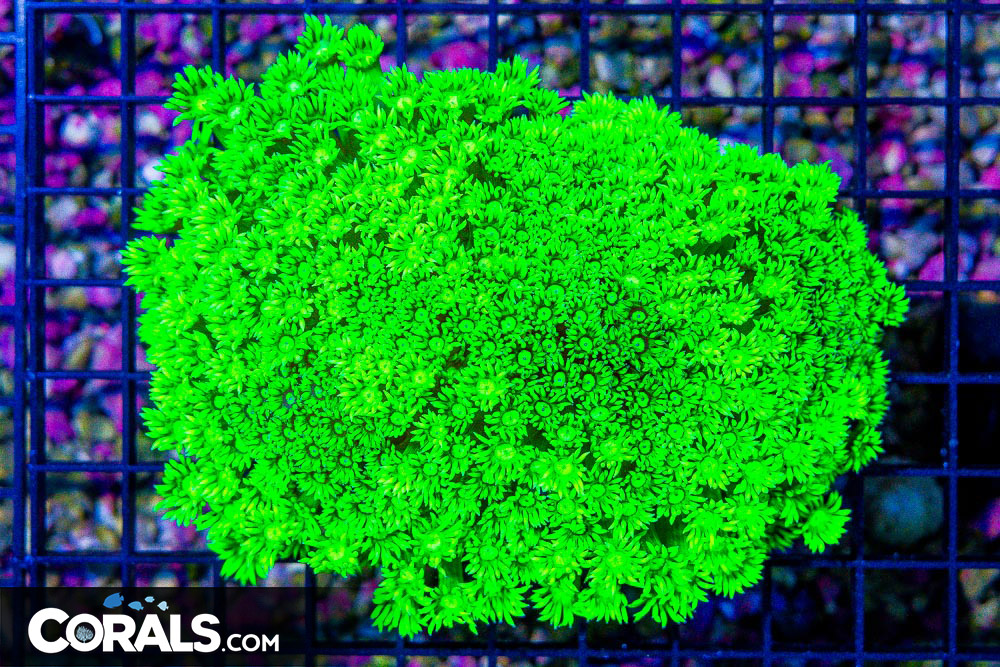
Goniopora (Goni) used to be considered one of the trickiest corals to master. They did not do great long term in home aquariums and would randomly wither away without explanation. Thankfully, due to the progression of our hobby throughout the years and overall increase in knowledge about these corals, they have become a reef staple that everyone can enjoy.
There are several different types of Goniopora that come from a variety of countries. Aussie and Indo are the most common, but there are also Gonis that come from Fiji and Tonga. These well-known LPS (Large Polyp Stony) Corals have become wildly popular due to their unreal coloration, and long, extended polyps that can be mesmerizing to watch in the flow! Very similar to the movement of Euphyllia like Torch.
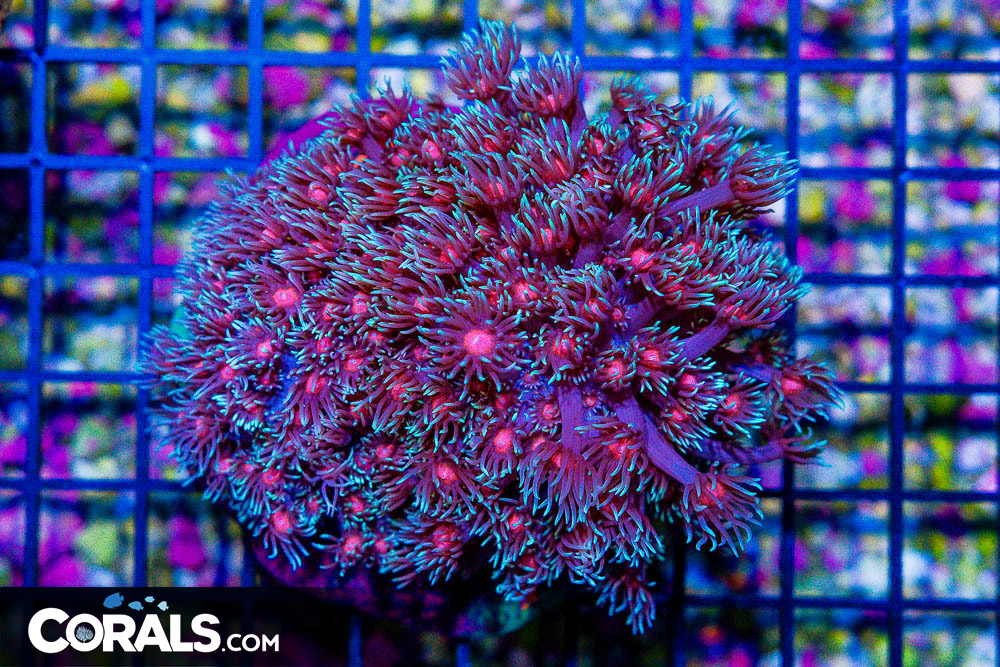
Goniopora come in all shapes, sizes, and colors, making them a desired choice for fragging and Aquaculture. They come in almost every color you could imagine and every combination in between. Stunning shades of red and pink to highlighter neons and yellow! Some even have unique patterns on their polyps such as stripes and sparkling glitter. With so much variety within just Goniopora coloration itself, these corals have become highly desired. Similar to Euphyllia and Zoanthids, reefers have started to build “Goniopora Gardens”, finding every type of Goni they can, and combining them into a stunning array of polyps and coloration.
Goniopora vs Alveopora
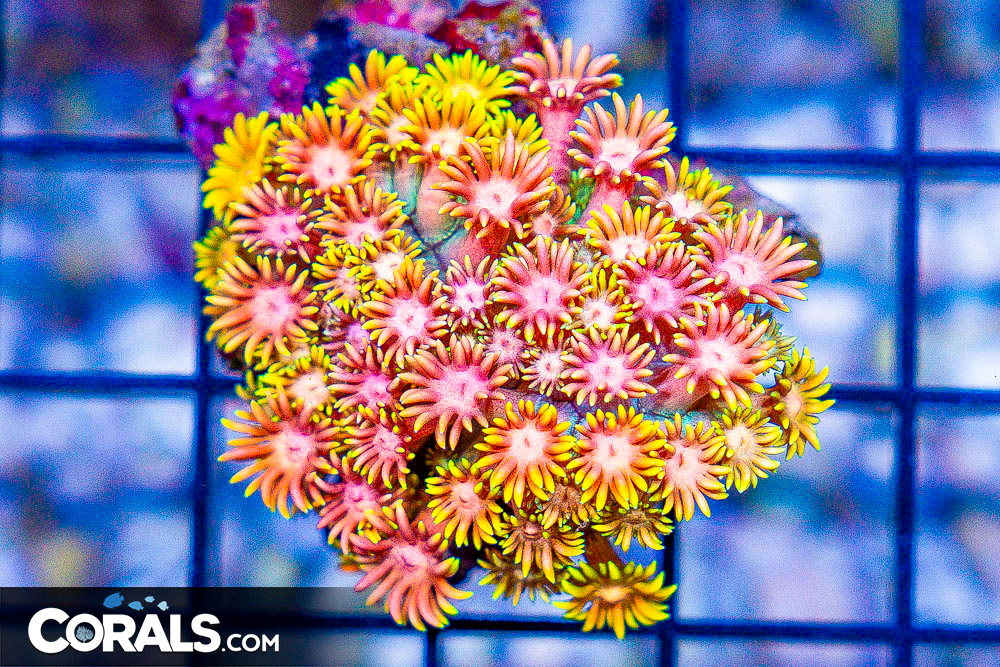
It’s no secret that Goniopora and Alveopora are extremely similar in appearance; most hobbyists struggle with differentiating the two. Seeing them both side by side, it’s easy to see why they’re misidentified. Both are colorful LPS corals with a very similar polyp structure that extend long from their stony bases, making it quite difficult to differentiate. However, there’s a trick: count the tentacles! At the end of each long extended polyp, both Alveos and Goni have several tentacles surrounding the center mouth in a circular pattern. Goniopora have 24 of these tentacles, which are usually, but not always, longer and more wispy. Alveopora only have 12 tentacles and they are usually much shorter and rounded, closely resembling the petals on a flower. This is actually where they get their nickname: Flowerpots.
Care
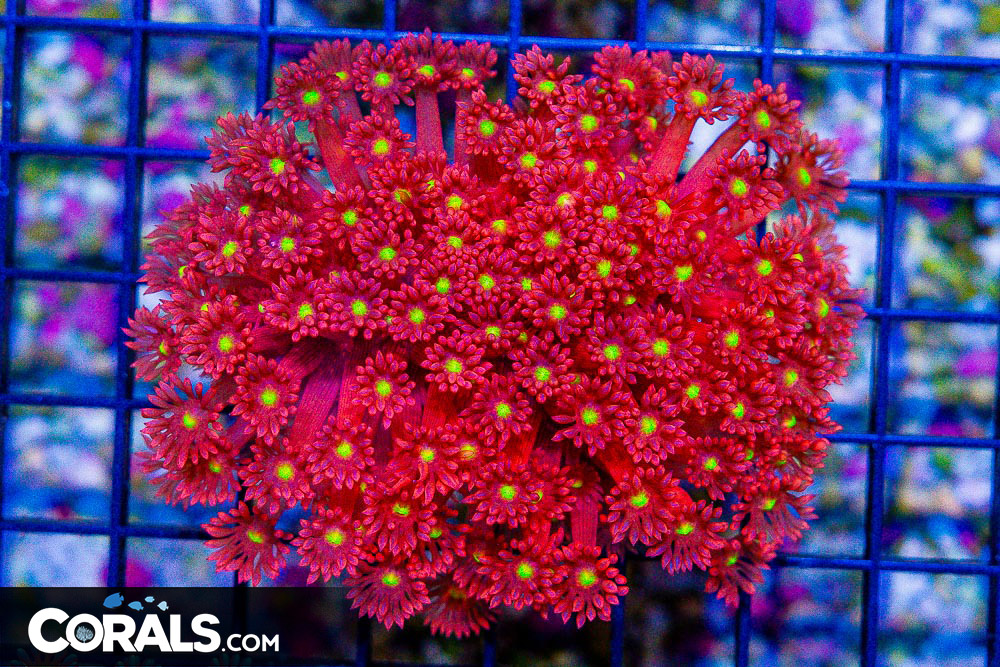
When it comes to Goniopora care, it has become much simpler and similar to other LPS Corals. Keep your Goni in moderate lighting, although you can keep them at several different lighting intensities if you do so gradually. Flow can be tricky for Goniopora. Reefers should make sure their Goni is getting enough moderate and randomized flow to keep it happy and swaying with its polyps out. but Too much flow and you risk damage to the polyps/flesh and retraction, introducing possible further health issues. Providing inadequate flow is also an issue as polyps could sit stagnant allowing detritus to collect and choke out the polyps. Move a newly acquired Goni around until it finds a spot it truly likes and opens up.
Feeding
When it comes to feeding and energy production, Goniopora, like most corals, are photosynthetic thanks to their symbiotic zooxanthella. They also benefit from occasional spot feeding. Spot feed Gonis a blend of very fine foods a couple times a week. Phyto and zooplankton are good choices due to Goniopora having very small mouths.
Parameters
The best way to ensure their long term success and survival is to strive for stable tank parameters. Goniopora do best in systems with the following parameters:
- Temp: 78 degrees F
- 1.026 specific gravity
- Alkalinity: 9 dKH
- Calcium 450ppm
- Magnesium 1300 ppm
Keep Nitrates, Nitrites, and Phosphates low. Stable essential nutrients are the key to keeping healthy corals that will thrive and grow for years to come. Do frequent, small water changes to replace nutrients in your aquarium, avoiding large water changes that can swing parameters suddenly, shocking your gonis and other corals. Don’t forget, just make sure the parameters are as stable as possible!
Picking a healthy Goniopora
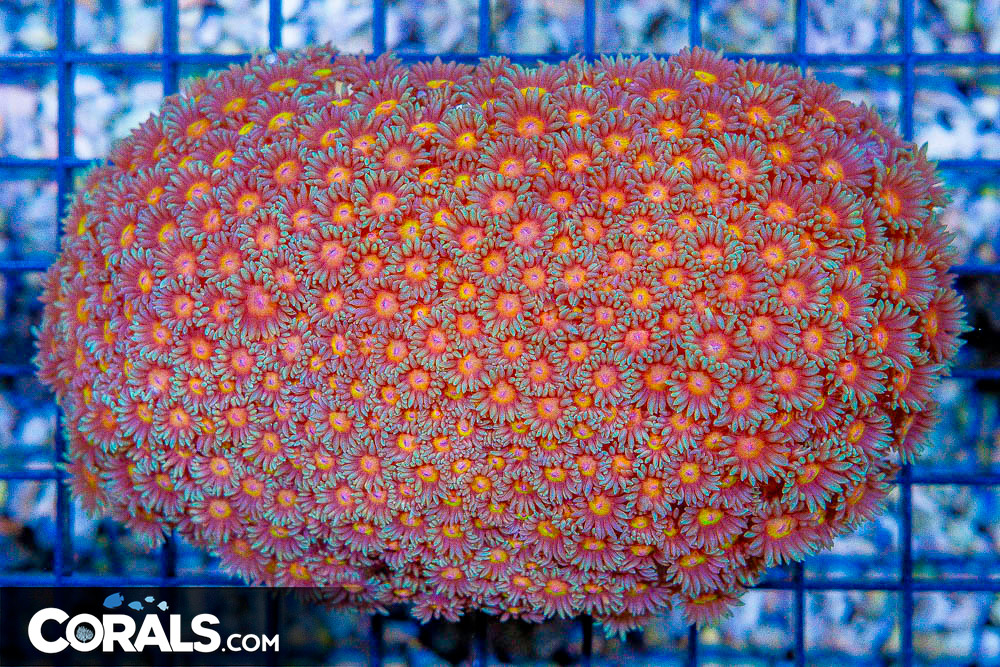
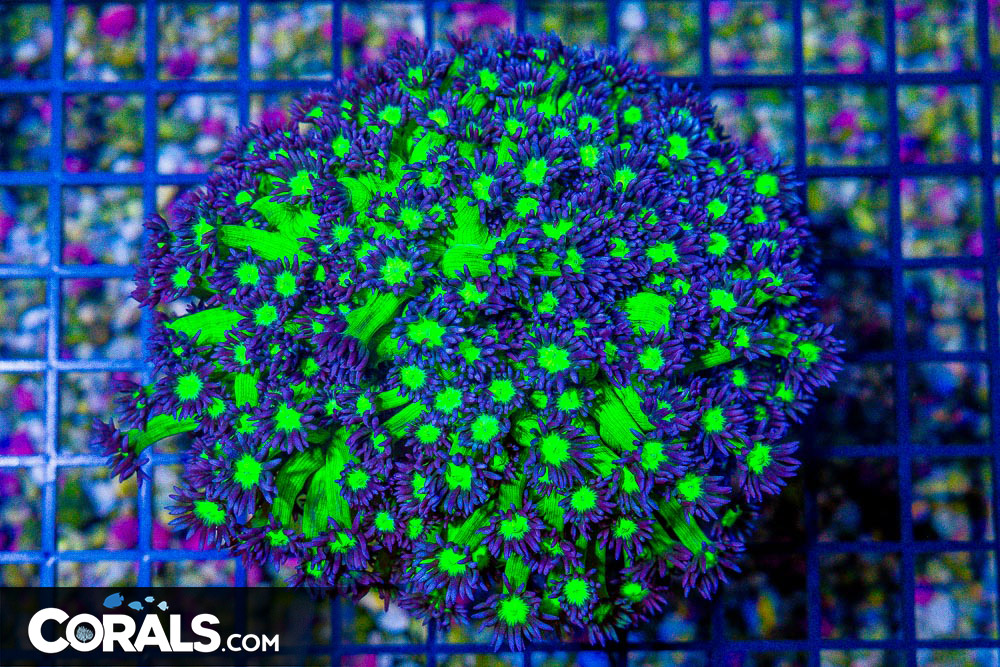
First, look for full polyp extension and puffy polyps. Some goniopora can be the short polyp variety, so do not confuse those with their longer counterpart variety. If the polyps are retracted or partially closed in areas, this could indicate health issues. If possible, inspect around the edges of the goniopora. The edge is typically where you’ll see flesh retraction starting or newly vacant polyps. It’s okay if there are vacant polyps around the edge, so long as they are a more brown coloration, indicating they did not vacate recently. If the vacating is new, the skeleton will look white. Look for vivid and bright coloration throughout. If the Goni appears dull, most likely it was lacking nutrients and/or proper lighting. If the polyps are light or bleached looking, the Goniopora may have been receiving too much light or there’s another issue causing the color stress. While not very common, Gonis can have pests such as Nudibrachs or Flat Worms, so inspect carefully for areas that may be lacking polyps as well as underneath the coral. Try not to buy goniopora that have been recently fragged as it takes them time to heal properly after fragging. Introducing them to a new tank after being freshly/recently cut can lead to a bacterial infection.
Fragging Goniopora
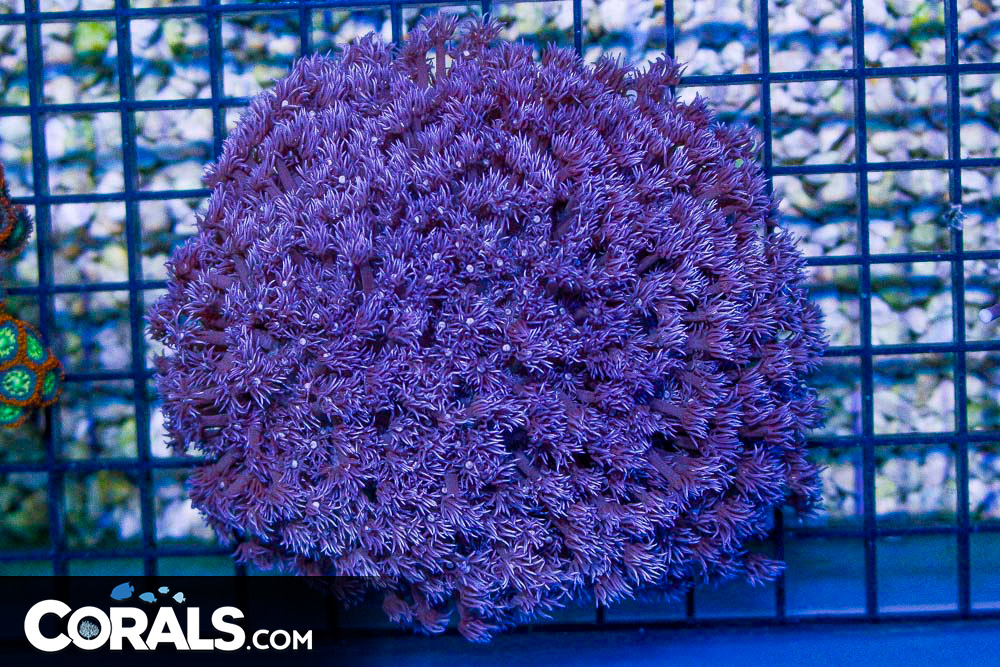
Fragging Goniopora is a common practice in the saltwater aquarium hobby, but it should not be taken lightly as they are quite sensitive. The skeletal walls between polyps are very small and fragile, so you must do your best to cut between them. If you do cut through the center of a polyp accidentally, it’s okay, but those polyps will now require a greater healing time. This can also leave them more susceptible to an infection. That is why it’s crucial to use an iodine dip upon completion of fragging Goniopora. Place them in adequate flow after fragging to maximize waste and mucus removal. Adequate flow will also prevent algae growth on the newly exposed cut areas, which can choke out and stunt the healing process.
Dipping Goniopora
It is not recommended to dip a new Goniopora upon arrival or introduction to your tank. If they have been shipped, they will be stressed from transit, so dipping Goniopora right away will only add to that stress and could yield to a higher mortality rate. Even if they are acquired from your LFS (Local Fish Store), water parameters are most likely very different. This also adds a good amount of stress to the Goniopora, no matter the acclimation procedures. Dipping while the coral is already stressed from a change in habitat is not recommended. The best practice is to visually inspect the coral prior to adding to a new tank, then if necessary, dip the Goniopora after it has had a few days to adjust to your tank and water parameters. A quarantine system is ultimately the best solution to adding new corals to any tank where you can closely monitor their health.
Temperament
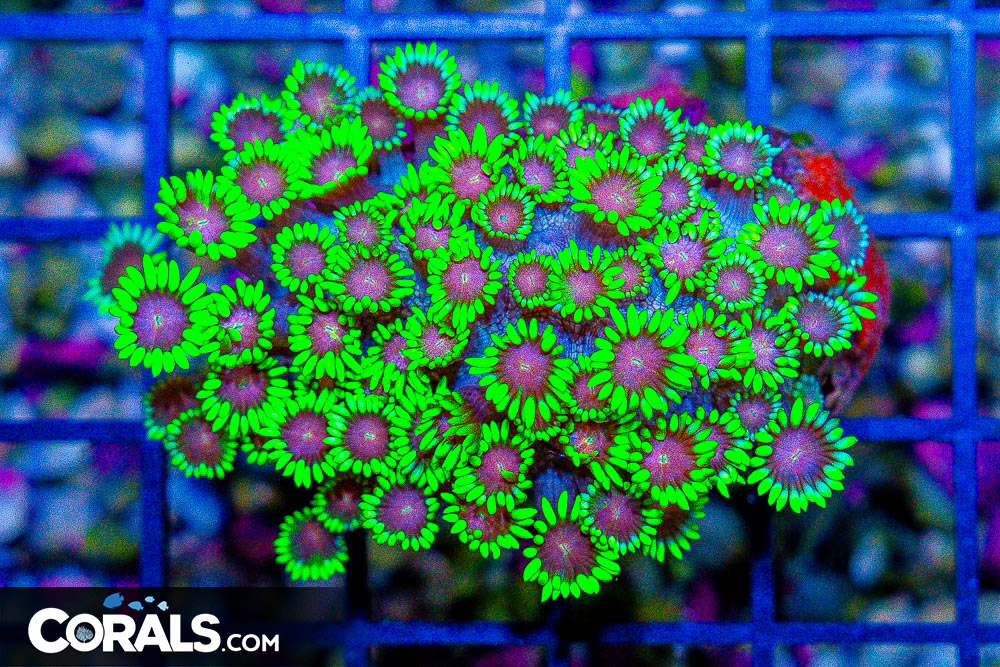
Are Goniopora an aggressive coral that will sting others? Some Goniopora varieties can have sweeper tentacles that can extend out several inches, sweeping the area to sting neighboring corals. Even if they don’t have sweeper tentacles, their “regular” tentacles can be known to sting too! It’s best practice to leave at least 3-4 inches around the fully open goniopora to minimize any risk. Do not assume that all goniopora will get along with one another either. They have been known to sting within their species, even if they are from the same country of origin!
Aquacultured vs Wild Goniopora
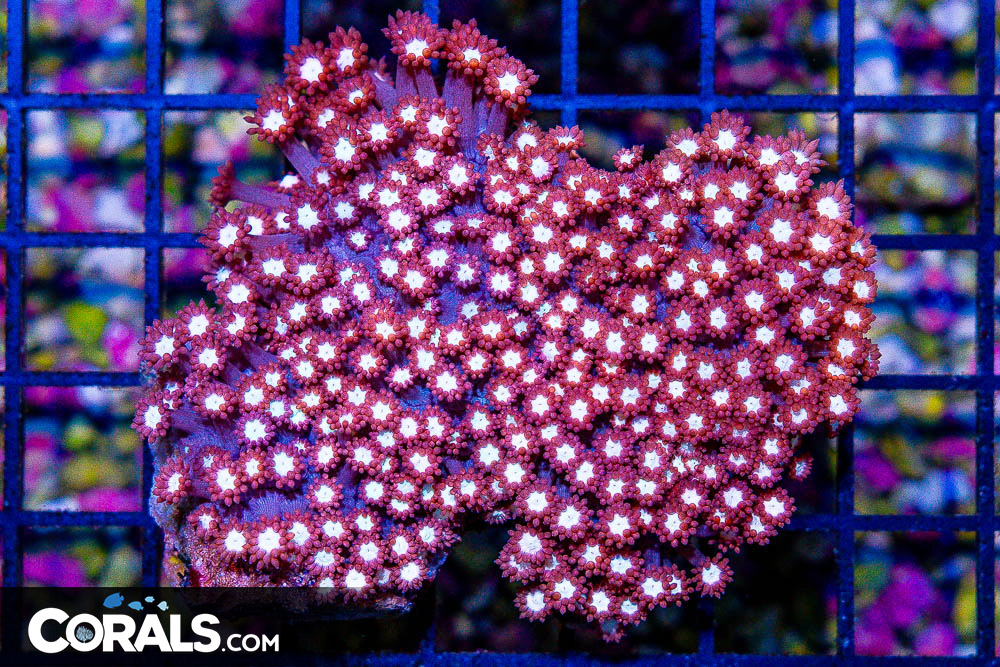
When possible, it’s less risky to go with proven, growing strains of Aquacultured Goniopora. You may also want them for their highly sought after trade names. However; don’t pass up on the amazing world of rare colors from the wild that, with proper care and husbandry, can thrive in your tank too!
Whether you are a seasoned Goniopora keeper or thinking about trying them out, they are sure to show off nicely in your tank. They have a wide range of striking colors, patterns and really “go with the flow”!