Introduction to Trachyphyllia Care
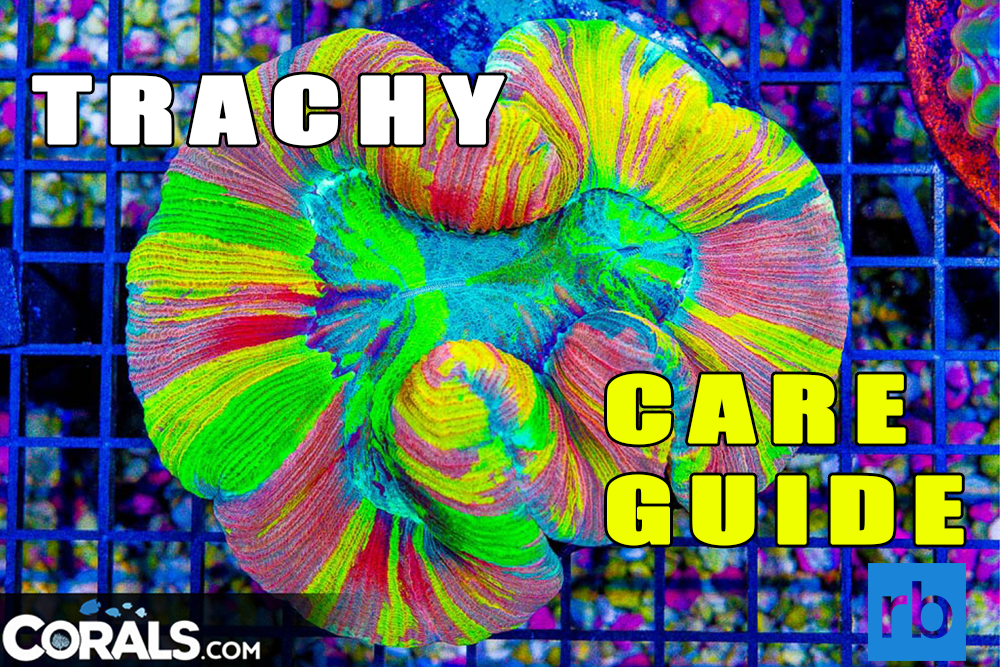
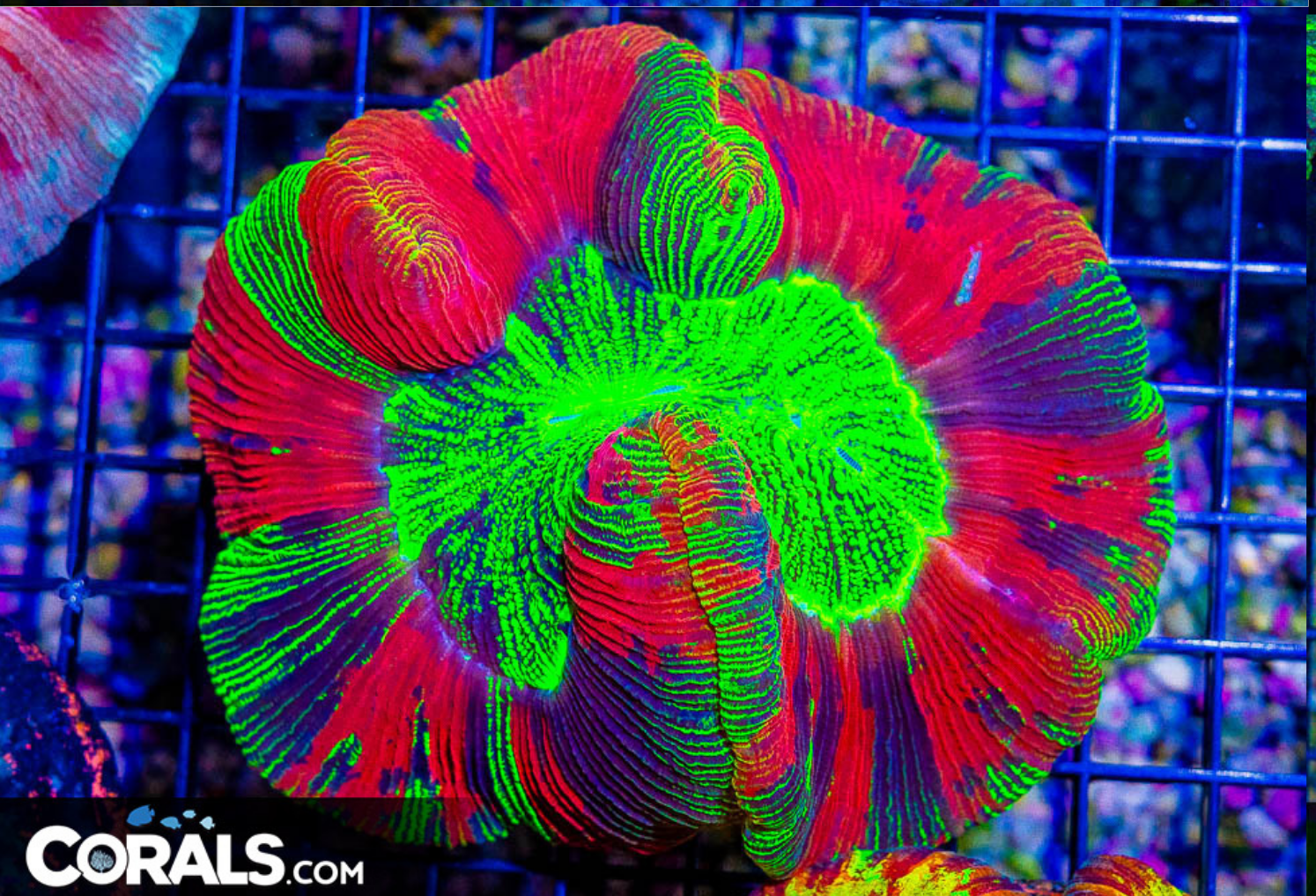
Trachyphyllia, or Trachy, as they are commonly called, are another extremely popular and must have LPS coral! These big meat corals are recognized by their fleshy, brightly colored bodies that light up the bottom of reef tanks. Their vibrant colors can range from deep greens and blues, to extremely bright fluorescing reds, oranges, and pinks, and everything in between! It’s no surprise these Collector’s Corals often become the centerpiece of reef tanks, especially when all those colors blend together to form a Rainbow Trachy.
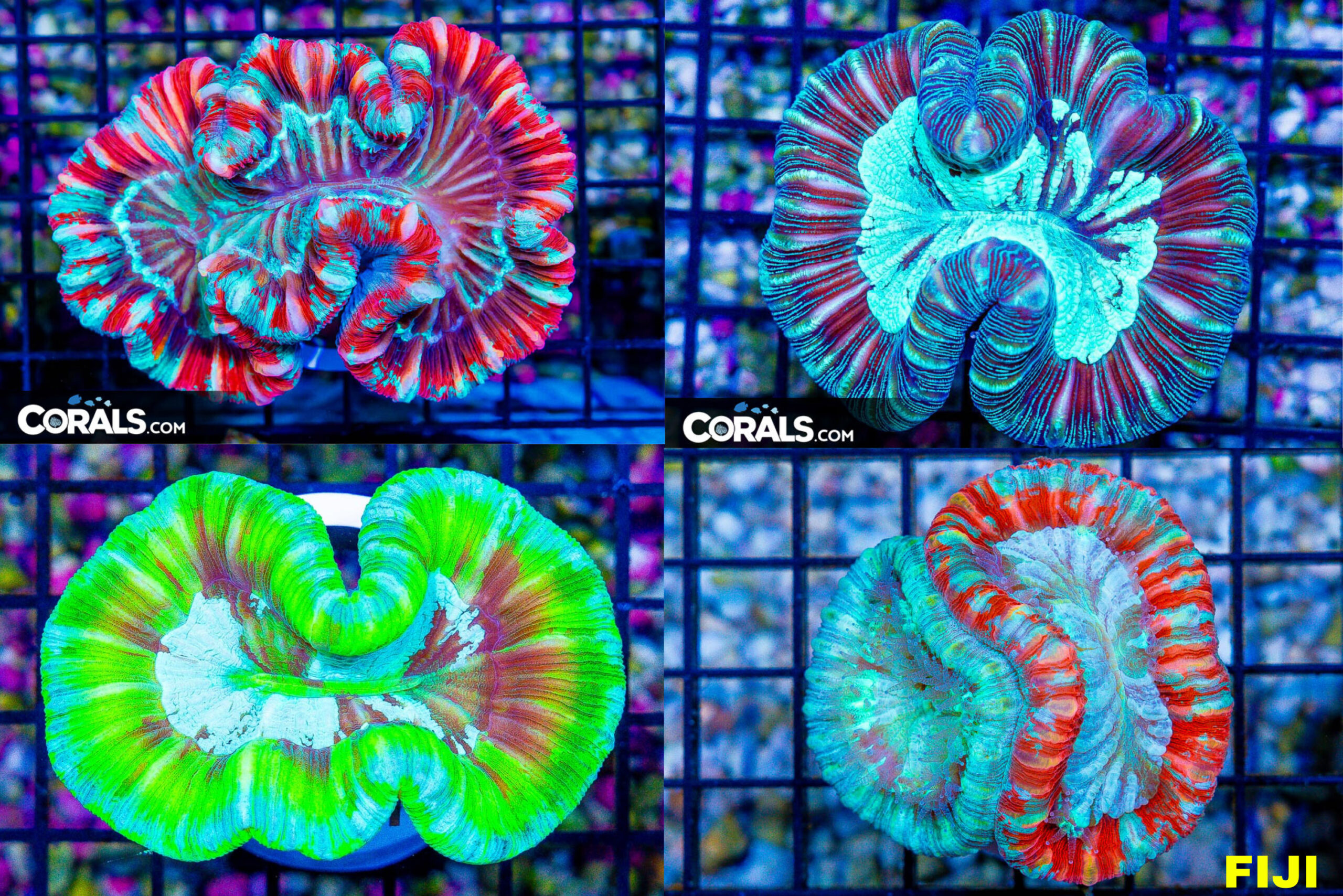
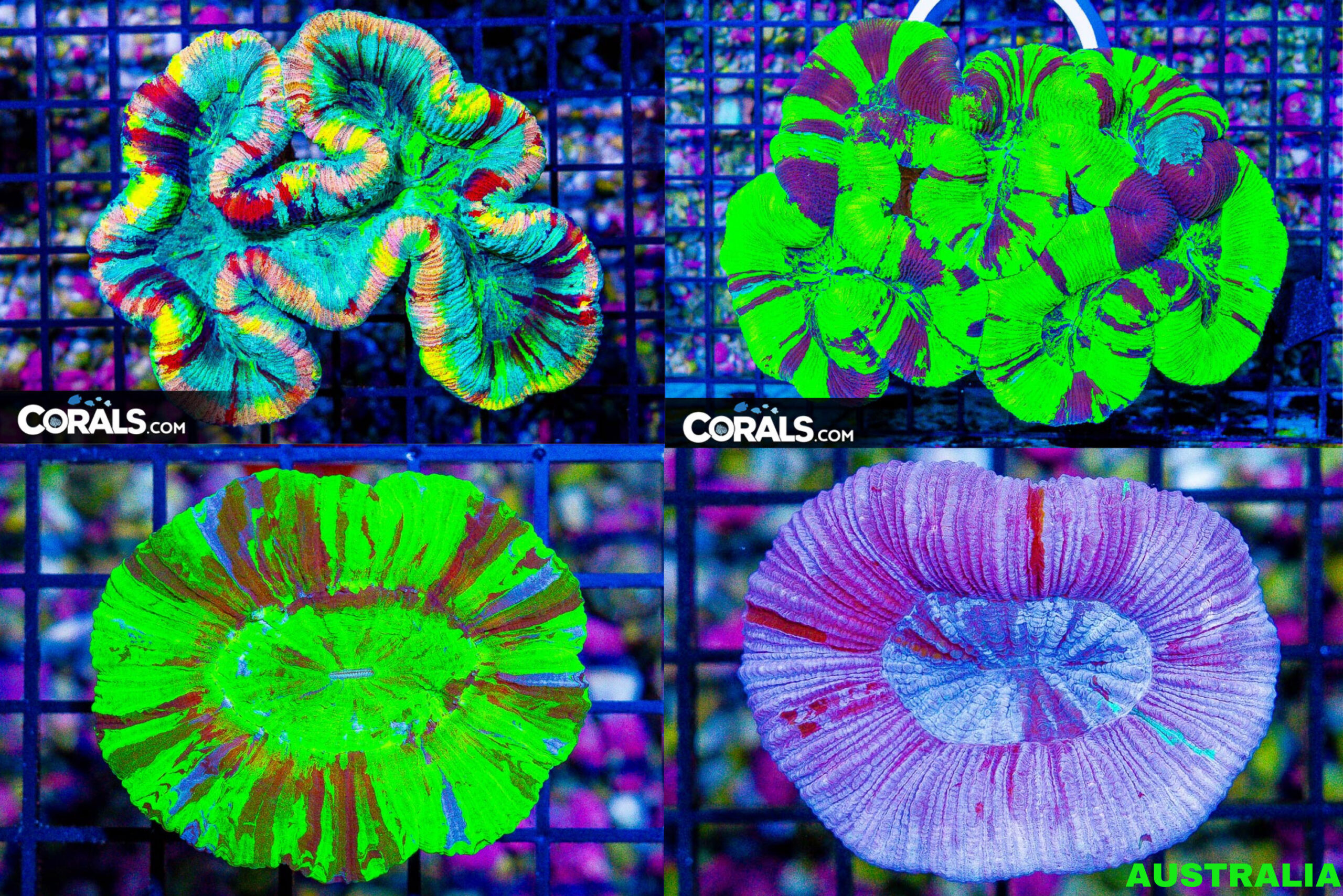
Most Trachy come from Australia and Indonesia. However, with the re-opening of Fiji Coral exports in the beginning of 2024, we are also now able to get Trachy from Walt Smith International (WSI) in Fiji! Out of the 3 countries, Indo Trachy are the largest and most color diverse with wild specimens popping up all the time. Aussie and Fiji typically produce smaller Trachy, with a bit more basic color spectrum (Neon, Pink/Purple and Red), but just as vibrant. Almost all Trachy glow like crazy under an actinic spectrum, and are great reef additions!
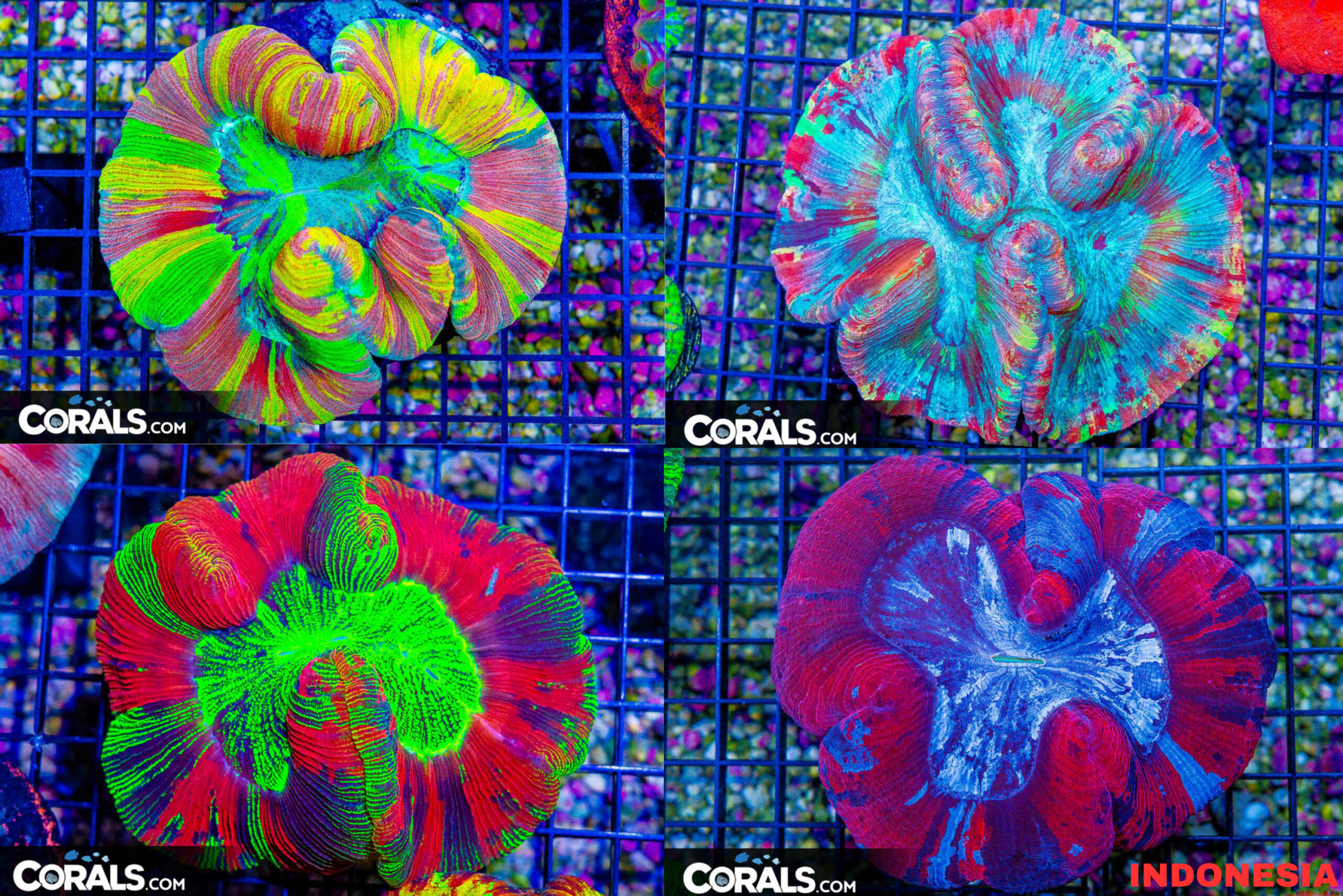
Indo Trachy are also referred to as Open Brain Corals. These huge Indo corals inflate their fleshy bodies with water and swell up, loosely resembling a colorful, fleshy brain! They are definitely using their “brains” in the ocean when they inflate their bodies to catch the current and find a suitable location. They move similarly to Fungia by inflating and deflating.
Placement
Where should I place my Trachy? Figuring out where to place your Trachy is very important. They do best in areas of lower to medium light and medium flow. We’ve found they are not a fan of high light as this can cause them to bleach and retract their tissue, leading to a lengthy recovery process. Lower flow is best; too much can damage their fleshy bodies with their own skeleton. However, they still need enough flow to keep detritus from accumulating on them, especially if they are sitting on your sand bed.
Feeding
What do you feed Trachyphyllia? Being single, large polyp stony, and slow growing corals, they are not commonly cut and fragged, and are only available as colonies. However these colonies are fantastic eaters! You should feed your trachy a couple times a week with a mixture of meaty foods like mysis and brine shrimp. They will turn themselves almost inside out to eat with long sticky feeder tentacles, always a fun process to quite literally watch unfold!
How to select a Trachy
As meat corals, you should look for puffy and well inflated flesh. If the flesh is pinched, it’s an indication of an underlying issue: overall health, pests, improper light/flow, tissue damage, foreign growths (sponge, feather dusters, aiptasia) etc. Please note though, that some varieties are not as fleshy as others (Fiji can be very teethy looking and still be healthy). Take a close look at the mouth to ensure it’s closed or mostly closed and not gaping open. A gaping mouth is a good sign the coral may be on its way out, even if the coloration looks okay. They can typically die from the inside out with the mouth showing signs first and the flesh to follow, so the mouth will typically tell you all you need to know. Check for missing or loose tissue on the underside too. If you do see this, there could be flatworms, so take a closer look. Make sure the colors are vibrant, deep and well defined. If the colors appear to be on the light side, this could indicate they are receiving too much light or could be the first signs of their decline.
How do Trachys reproduce?
Most commonly they reproduce sexually, but it’s interesting to note the same trachy will release both sperm and eggs into the water column to reproduce, as opposed to there being both male and female trachys. Much less common is reproduction asexually where the coral can divide, or bud, and also from a fragment of the trachy turning into another coral as well.
Success
The best way to ensure their long term success and survival is to strive for stable tank parameters. Trachy do best in systems with the following parameters:
- 78 degrees
- 1.026 specific gravity
- Alkalinity (9 dKH)
- Calcium (450 ppm)
- Magnesium (1300 ppm)
- lower Nitrates, Nitrites, and Phosphates.
Stable, essential nutrients are the key to keeping healthy corals that will thrive and grow for years to come. Do frequent, small water changes to replace nutrients in your aquarium, avoiding large water changes that can swing parameters suddenly, shocking your trachy and other corals. Don’t forget, just make sure the parameters are as stable as possible!
Do Trachy have known pests?
Yes, Trachyphyllia can have pests, so it’s important to carefully inspect your new coral upon arrival. Like many corals, they can have flatworms, which are not always easy to spot. Check around the underside of the trachy; they typically hang out in this area you can’t see unless you flip the coral over. Look closely because they are not always a solid coloration, they can be translucent too! If you do see flatworms, you can typically give them a quick squirt of RO (Reverse Osmosis) water to stun them and loosen their grip to remove them. You can also give them a quick dip to remove them as well.
Give your Trachy the right conditions, stable water parameters, and a steady feeding schedule, and watch it flourish! They are incredibly rewarding to feed and can make stunning showpieces in your aquarium!