Vibrant Corals and Fish Ushers in the First Legal CITES-Compliant Malaysian Coral Imports to the USA
In the ever-evolving world of reef aquariums, where hobbyists chase the iridescent hues of acropora colonies and the gentle sway of glowing Euphyllia, few stories ignite as much excitement as the return of a long-lost gem. Malaysian corals—renowned for their vivid colors, resilient growth forms, and that subtle, almost mythical allure—have been off-limits to direct U.S. imports for over six years. But today, we’re thrilled to report a seismic shift in the ornamental marine trade: Vibrant Corals and Fish, a Texas-based importer, has become the first company in the United States to successfully bring in Malaysian corals under fully legal, country-to-country CITES protocols. This isn’t just a business milestone; it’s a beacon for sustainable sourcing, a rebuke to black-market smuggling, and a potential lifeline for ethical reefkeeping.
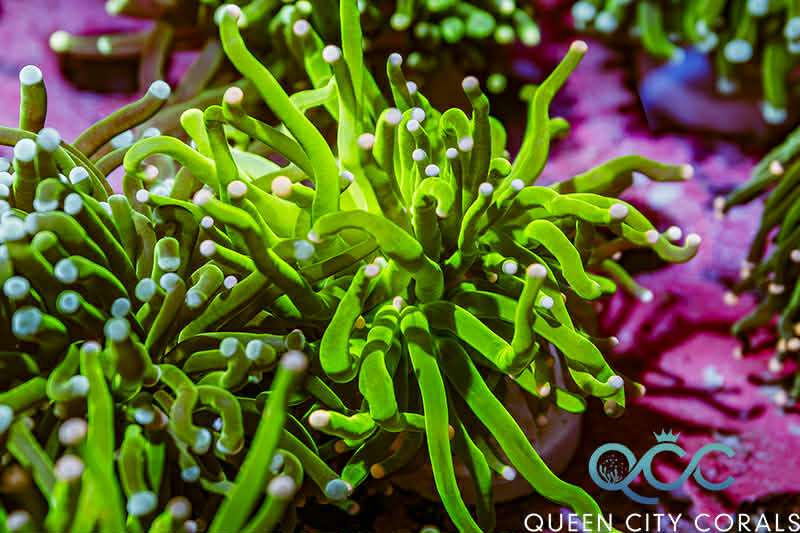
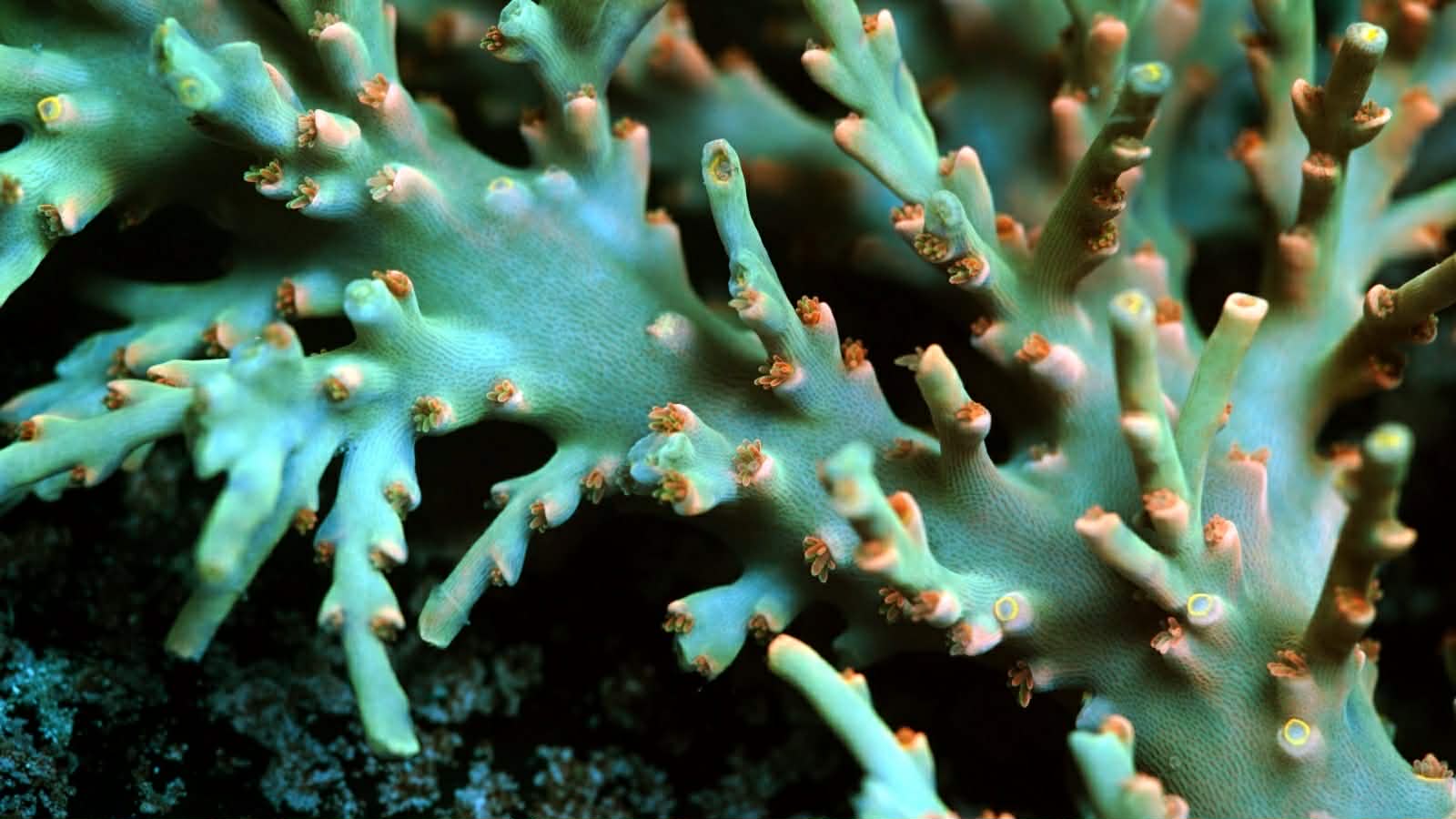
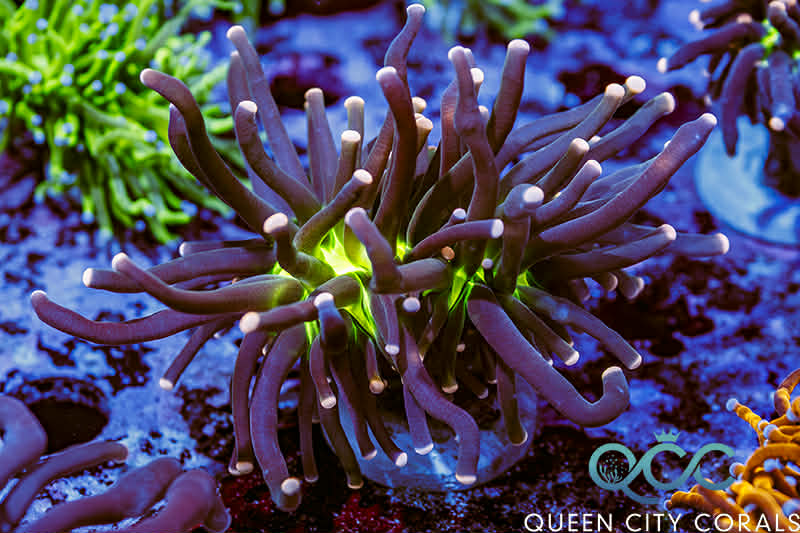
As aficionados of all things aquatic, here at Reefbuilders, we’ve chronicled the highs and lows of the coral trade—from the boom of Indo-Pacific shipments to the heartaches of bleaching events and regulatory crackdowns. Malaysian specimens, with their iconic growth and unique pigmentation, have always held a special place in our collective tank space. Think of the electric blues of Speciosa fragments or the fiery oranges of the Malaysian gold torches that seem to glow under actinic lighting. For years, these treasures trickled into U.S. stores via circuitous routes, often shrouded in uncertainty. No more. Vibrant Corals and Fish’s breakthrough shipment, cleared through U.S. Fish and Wildlife Service inspections just weeks ago, marks the dawn of a transparent era. In this deep dive, we’ll trace the history of Malaysian corals in the trade, unpack the 2019 export shutdown that starved the market, and celebrate how one company’s persistence is rewriting the rules.
For U.S. importers, Malaysian corals were a staple until the late 2010s, offering hobbyists everything from beginner-friendly Zoanthids to showpiece Euphyllia. The trade’s vibrancy mirrored the reefs themselves: diverse, dynamic, and deeply intertwined with hobby culture. Reefbuilders archives from 2015-2018 are peppered with reviews of Malaysian hauls, extolling their “punchy purples” and “impeccable health.” Little did we know, the plug was about to be pulled.

The 2019 Shutdown: A Trade in Limbo
Enter 2019, a year that reshaped the ornamental world. In October, Sabah’s Minister of Tourism, Culture, and Environment, Christina Liew, announced a blanket ban on the extraction and export of wild corals from state waters. Citing rampant poaching, and the need to prioritize ecotourism over exploitation, the decree halted all direct shipments. The ripple effects were immediate and profound. U.S. wholesalers reported empty shelves by November, with the last legal Malaysian corals clearing customs that month. Prices for holdover stock skyrocketed; a single Speciosa frag that once retailed for $100-$150 jumped to $300. Hobbyists, accustomed to the steady flow, turned to alternatives: Indonesian Cultured corals or Australian wild corlas. But nothing quite matched Malaysia’s wild vigor.
Why the shutdown? Decades of unchecked harvesting had scarred reefs. Studies from the 2010s documented a 30% decline in coral cover off Sabah’s east coast, attributed partly to the trade. Smugglers, evading CITES by routing through other Indo-Pacific countries, exacerbated the issue, undercutting legal operators and flooding markets with laundered goods. The COVID-19 pandemic in 2020 compounded the pain, slashing global ornamental exports by 20-30% as air freight skyrocketed. By 2021, Malaysia’s marine ornamental trade had shrunk to a fraction of its pre-ban volume, with corals virtually absent from direct channels.
The U.S. side felt the void acutely. CITES regulations require Appendix II corals to carry export permits from the origin country and import declarations here, verified by the Fish and Wildlife Service. Without Malaysia’s sign-off, no dice. Importers pivoted, but the black market thrived. Singapore busts in 2024 netted smugglers with Malaysian hauls hidden in fish shipments, highlighting the risks. For ethical reefers, it was a moral quandary: Do you buy the suspiciously beautiful “Indo” coral that’s really Malaysian contraband, or go farmed?
Reefbuilders covered the fallout extensively, with pieces lamenting the “Malaysian drought” and urging readers to support certified aquaculture. Forums like Reef2Reef echoed the frustration, threads titled “RIP Malaysian Corals?” racking up thousands of views. The ban, intended to heal reefs, inadvertently fueled the very poaching it sought to curb. Quotas went unenforced, and without legal outlets, collectors turned underground. By 2023, reports suggested Malaysia’s reefs were stabilizing—coral cover up 10% in protected zones—but the trade’s economic hit was brutal, costing thousands of jobs in collection and processing.
Vibrant Corals and Fish: A Trailblazing Move
Enter Vibrant Corals and Fish, a Irving, Texas wholesaler that’s been quietly building bridges since 2017. Co-Owned by reef enthusiasts Danelle Murray and Caleb Parette, the company specializes in high-end, health-vetted shipments from global hotspots. Their mantra? “Colorful, healthy, sustainable, superior-sourcing.” When the 2019 ban hit, Vibrant didn’t fold—they innovated.
The breakthrough came through dogged diplomacy and CITES mastery. Under CITES Article IV, Appendix II trade is allowed if non-detrimental to wild populations, backed by export permits from Malaysia’s Department of Wildlife and National Parks (PERHILITAN) and U.S. import clearance. Post-ban, Malaysia restructured: In 2022, they piloted aquaculture farms, culturing fragments from permitted wild broodstock.
The inaugural shipment arrived in late October 2025: 150 farmed colonies of beautiful acropora and euphyllia glabrescens. Cleared through Dallas-Fort Worth under FWS oversight, it was the first direct Malaysian coral entry since 2019. When we spoke to Caleb about this initial haul, his thoughts were simple, yet poignant: “This isn’t just business, it’s about trust—giving hobbyists corals they can feel good about.”
What sets Vibrant apart? Transparency. Each shipment includes direct Malaysia-to-USA digital and physical CITES docs, farm provenance, and health certs. Retailers like Not a Feesh in Pennsylvania, Queen City Corals in Charlotte, Matt’s Corals in Ohio, Liberty Reef in Missouri are already stocking them, with frags already hitting their websites and tanks. Early reviews? Glowing. “These Malaysians are head and shoulders healthier than what we have seen before,” a hobbyist quipped. Likely due to the fact that they are sustainably grown, harvested and shipped, instead of being trundled across borders in suitcases wrapped in wet paper towels.
A Sustainable Ripple Effect

This isn’t a one-off; it’s a template. By proving CITES compliance works, Vibrant paves the way for others. Malaysia aims to scale up its mariculture efforts through 2027, all farmed, funneling revenue back to reef restoration. U.S. regulators, too, are encouraged—FWS notes it bolsters enforcement against smugglers. For the trade, it’s a win: Reduced pressure on wild stocks, as aquaculture yields 10x the fragments per donor colony. Hobbyists stand to gain most. Imagine tanks teeming with verified Malaysian gems, no guilt attached. It elevates the entire chain—from mariculturalists paid fairly to LFS owners dodging fines. Sure, challenges loom: Scaling farms amid climate threats, navigating freight costs. But Vibrant’s model—partnership over exploitation—offers hope.
As we wrap this saga, Reefbuilders salutes this move by Vibrant Corals and Fish. This move reignites passion, fortified ethics, and reminded us why we fell for reefs in the first place. Head to your local shop, ask for those CITES stamps, and let’s build sustainably. The ocean’s watching.
I have a few of these to catch up on buy as promised in my last few articles I will also be doing a Reef Therapy with Caleb from Vibrant Coral to talk about this article in more detail. Date to be announced soon.
Until Next Time Reef Builders
Shawn Hale