If you remember from Reef Therapy episode 79, we talked to Sara Stevens about the amazing work that’s being done with coral breeding in an effort to save Florida reefs from the rising temperatures.
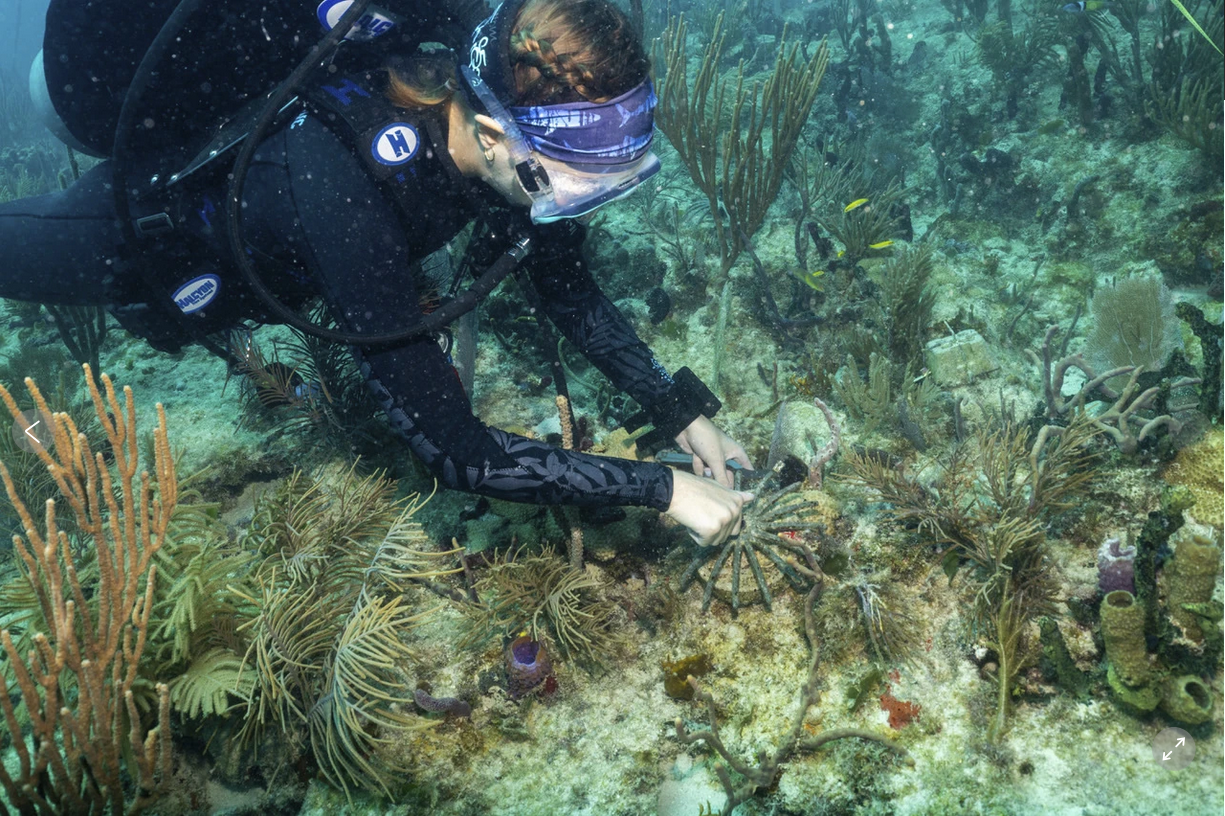
For the first time ever, corals cross bred with international corals have been planted onto the wild reefs in Miami. This is an effort by the University of Miami, the Florida Aquarium and Tela Marine in Honduras. Massive palmata corals (Elkhorn) used to dominate the Florida reef landscape and they’ve been decimated by the rising temperatures and disease. Aquariums around the nation have joined the effort to preserve domestic corals through the AZA’s Florida Reef Tract Rescue Project (AZA-FRTRP). The member facilities house rescued corals in bio-secure systems, protecting the corals from cross contamination.
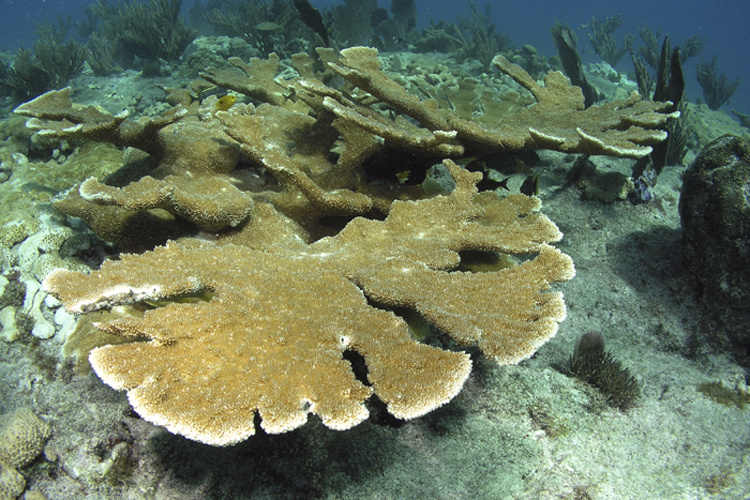
Keri O’Neil, senior scientist with the Florida Aquarium’s Coral Conservation Program, and her team worked with Tela Marine in Tela, Honduras to bring over corals from their warmer reefs for cross breeding purposes. The goal is to create “super corals”, corals that can survive in warmer and less pristine conditions. Instead of simply fragging or grafting corals, they opt for sexual reproduction, allowing for true hybridization. Sperm and eggs from Honduran and Floridian genotypes were combined, resulting in hybrid palmata corals that they hope will retain the ability to survive higher temperatures. These hybrid coral babies were grown out and then planted in Miami’s reefs on Tuesday, July 1.
Coral frags continue to be housed at the facility where Keri and her team will continue to work on strong hybrids.
A huge congratulations to Keri, The Florida Aquarium, the University of Miami, and Tela Marine.
Read more here.