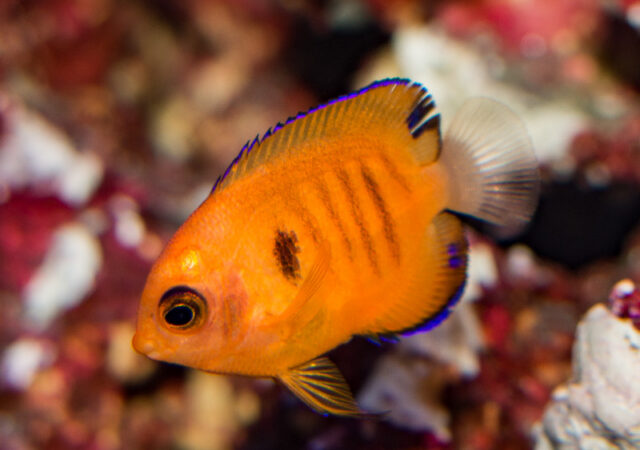
Captive bred flame angelfish are not new, but it’s been so long since their last sighting that you may have forgotten that they are even a thing. It’s been over five years since we first learned of the existence of these…
Search Results For: quality marine
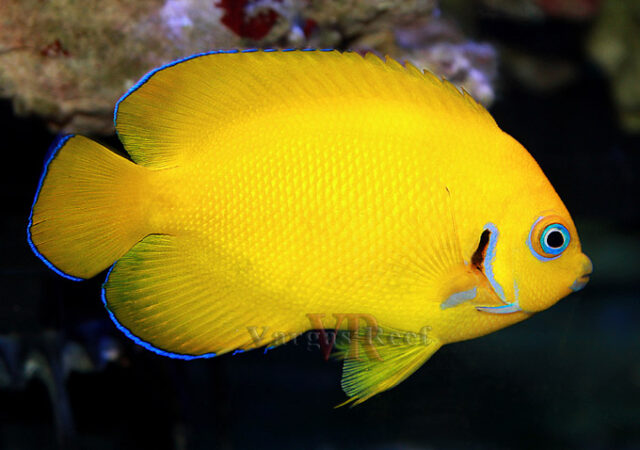
Centropyge cocosensis & C. woodheadi, two ‘new’ species of pygmy angelfish
Centropyge cocosensis and C. woodheadi are two new names for new species angelfish which aquarists have long recognized as distinct. There’s been much confusion and speculation on the true identity of both the Cocos Island Lemonpeel, affectionately called the Cocopeel Angelfish,…

Mermaids, Megalodon, and Cyanide: A Real Look at the Aquarium Trade and the Battle Against Cyanide Collection
The ocean is full of the unknown, allowing people’s imaginations to run wild. Combine that with film producers, writers, or groups with a divisive agenda, and you get mockumentaries entertaining the idea of a monster shark as big as a…
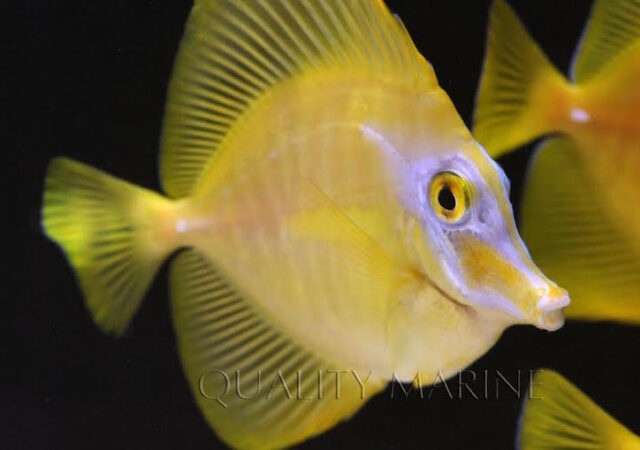
Would you pay a hundred dollars for a scarred yellow tang?
The news of successfully captive bred yellow tangs took the aquarium by storm last year. Successfully breeding any species of surgeonfish has been a long time coming, and this week the first batch of captive bred yellow tangs finally made their…
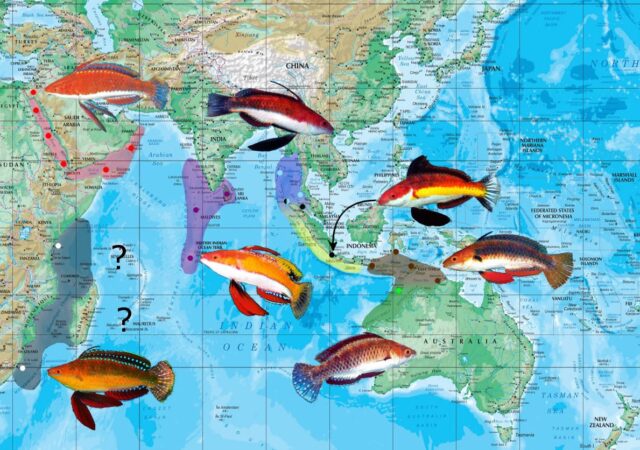
3.3 Fairy Wrasses: The rubriventralis group
The rubriventralis group features some of the most beloved and charming species of fairy wrasses, ornately adorned with painterly brilliance and morphological exuberance. Unlike some of the characteristically larger members of Cirrhilabrus, the rubriventralis group members remain small, rarely exceeding…
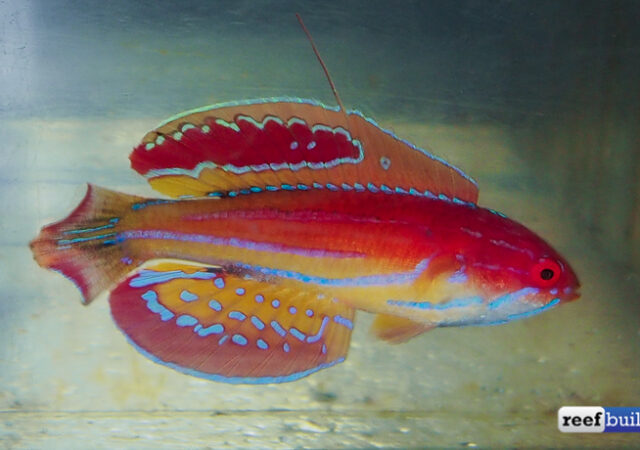
Awesome Fish Spotlight: Paracheilinus attenuatus, the diamond tail flasher wrasse
The Diamond Tail Flasher wrasse, Paracheilinus attenuatus, is one of the most attractive yet lesser known species of wrasses from the Indian Ocean. We’ve given a lot of attention to Fairy Wrasses of the Cirrhilabrus genus this year, but we still have…
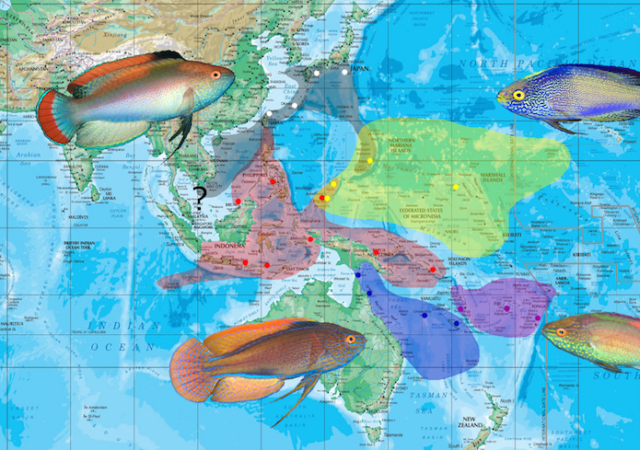
3.1 Fairy Wrasses: The rubrimarginatus group
The rubrimarginatus group is home to some of the most well-known (and well-loved) of the Fairy Wrasses. The group can be divided rather equally into two clades, each with their own separate diagnostic features. The males attain fairly large sizes,…
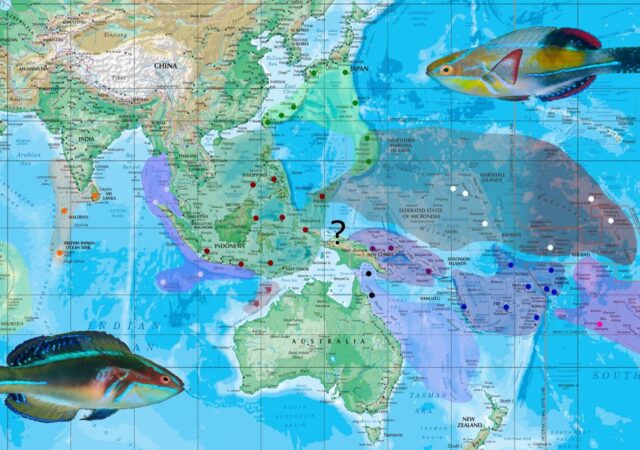
2.3 Fairy Wrasses: The exquisitus complex
Cirrhilabrus exquisitus is an unusually widespread and variable species which appears to form a lineage alongside the scottorum and cyanopleura groups, with all three sharing characteristically mid-length pelvic fins. Unlike any other species of Cirrhilabrus, the Exquisite Fairy Wrasse has…
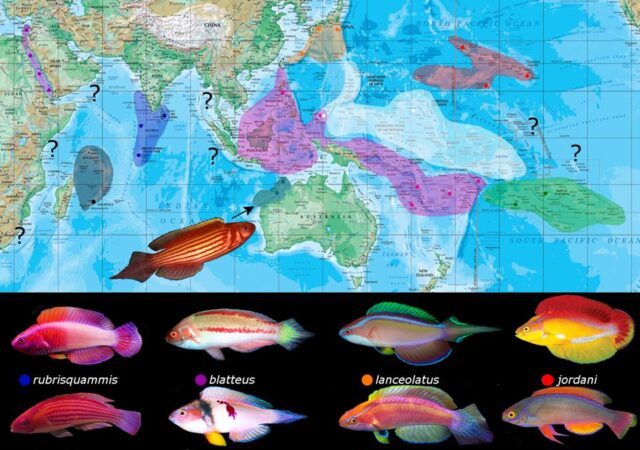
1.3 Fairy Wrasses: The lanceolatus group
The members of the lanceolatus group are some of the largest and showiest fairy wrasses, collectively celebrated for their grandiose caudal fin and chromatic brilliance. The group spans most of the Indo-Pacific, with its various species occupying a series of…
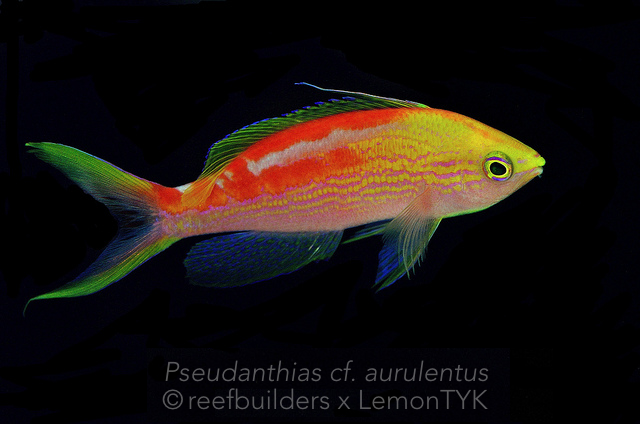
Pseudanthias cf. aurulentus from the Coral Sea may turn out to be a new species
The genus Pseudanthias is growing at a rate of at least one new member per year as the reefs of the Pacific continue to drip feed us with brand new, never before seen species. In 2013 we saw the appearance of the…