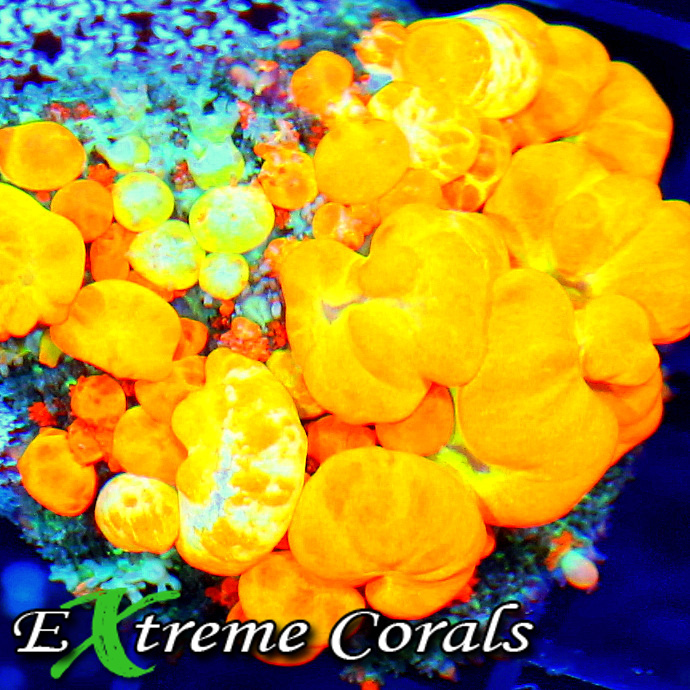
The premium mushroom corals that attract collectors are still forgiving corals, but they reward a more careful approach to light, placement, quarantine, and propagation.
Mushroom corals have always been among my favorite animals to keep. They bring movement, color, and personality to a reef aquarium without demanding the same level of calcium, alkalinity, or lighting that many stony corals require. In my previous article on mushroom corals, I discussed the group as a whole. This article focuses on two of the most desirable forms in the hobby: Bounce mushrooms and Jawbreaker mushrooms.
At Extreme Corals, these are among the corals we enjoy most. They are visually dramatic, they can become excellent long-term display colonies, and their growth can be fascinating to watch. They are also often expensive, slow to establish, and valuable because of their lineage. That combination changes the way I recommend caring for them. The names used in the trade are descriptive rather than formal scientific classifications. Most Bounce mushrooms are associated with Rhodactis, while Jawbreakers are usually sold within the colorful Discosoma mushroom trade, although the hobby’s names do not always map neatly to a single species. The important point for the aquarist is that both are corallimorpharians: fleshy, attached animals with no hard skeleton and a strong ability to contract, inflate, reproduce, and recover from setbacks when their basic needs are met.
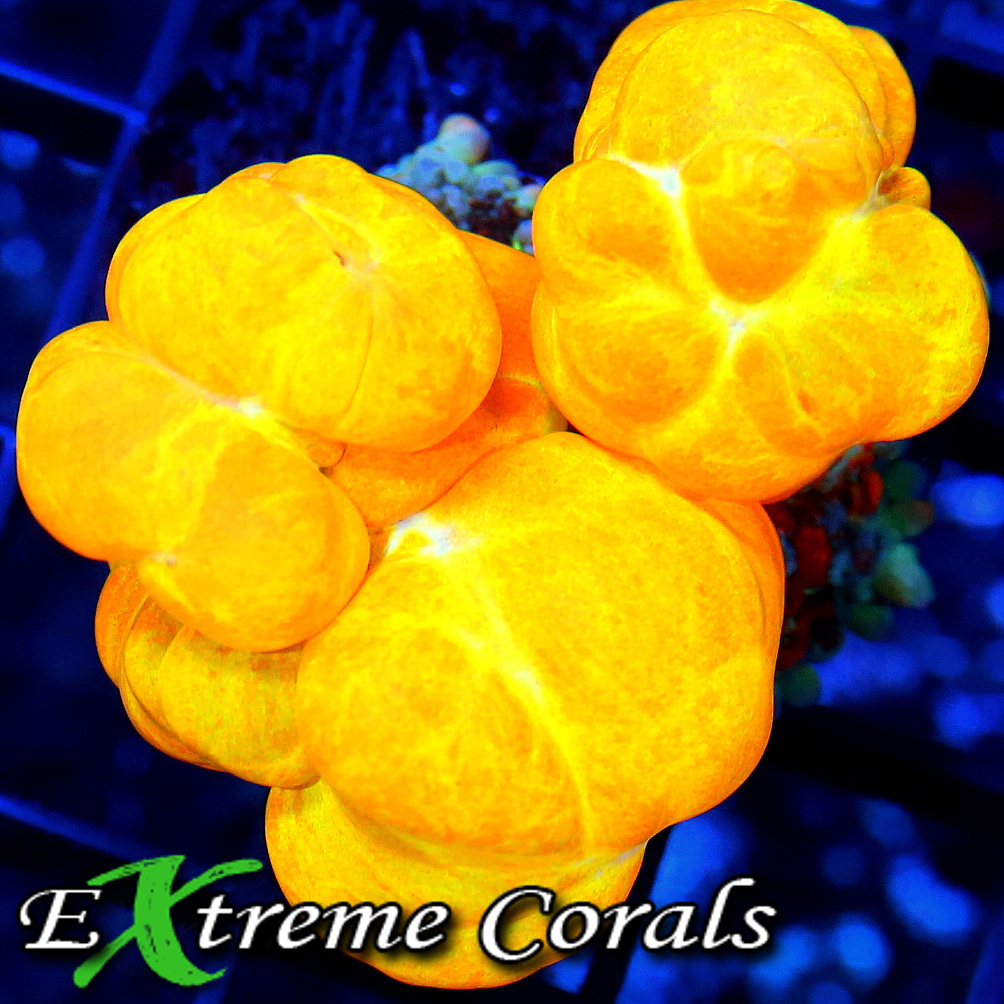
What makes a mushroom “high end”?
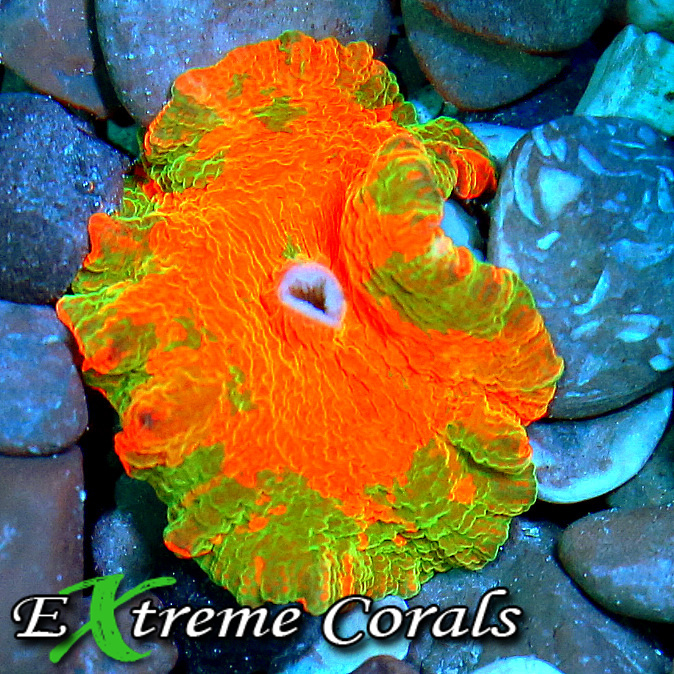
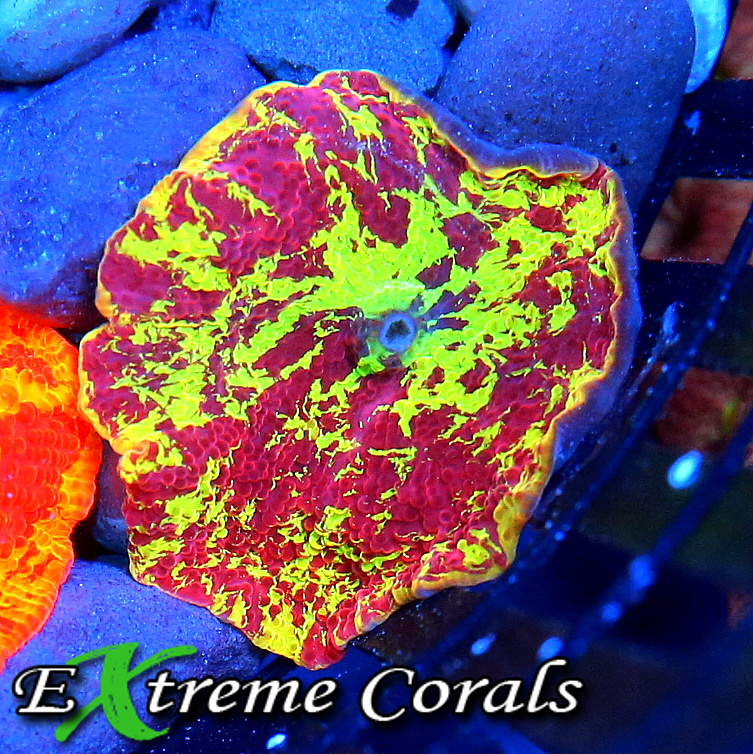
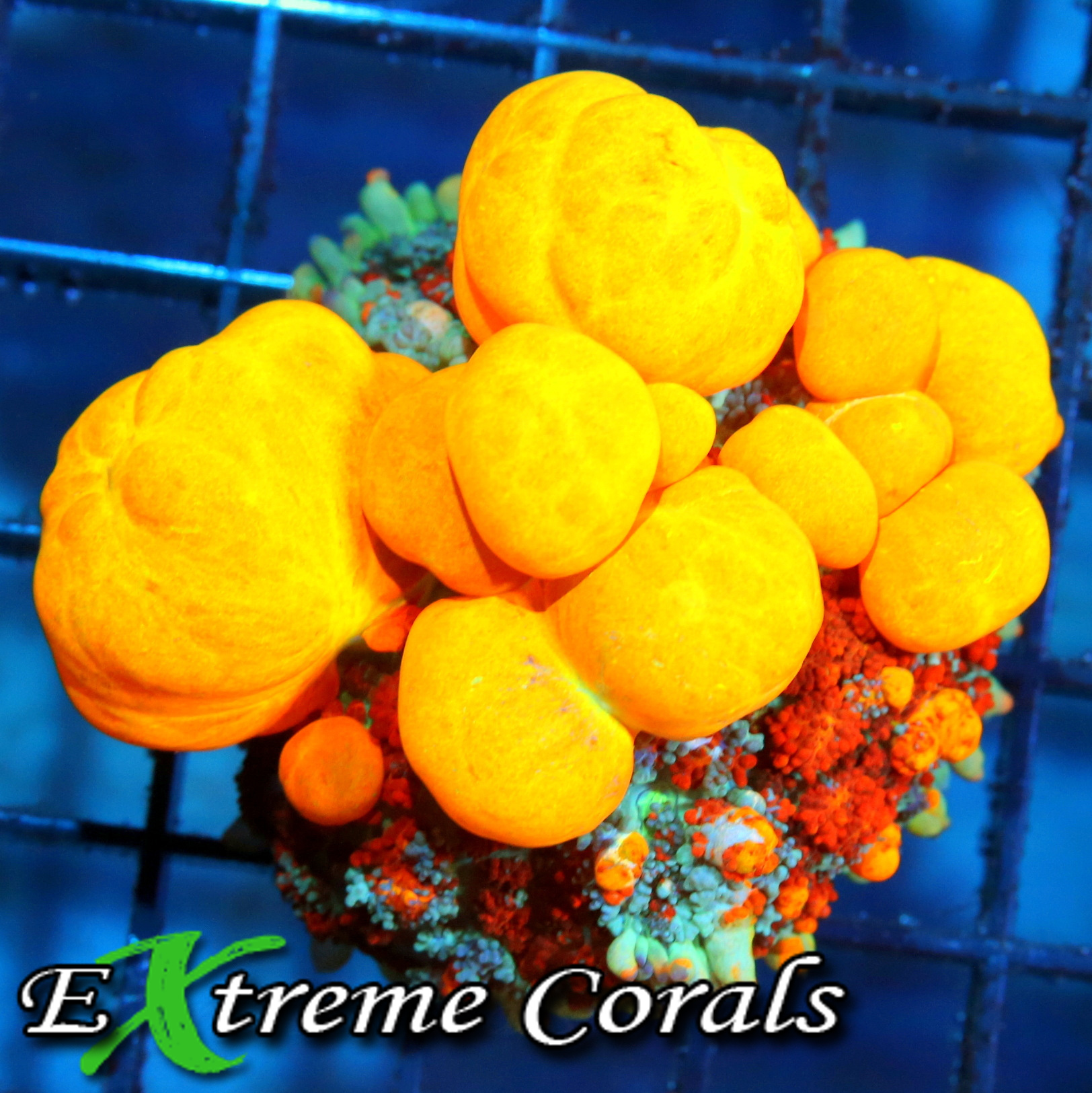
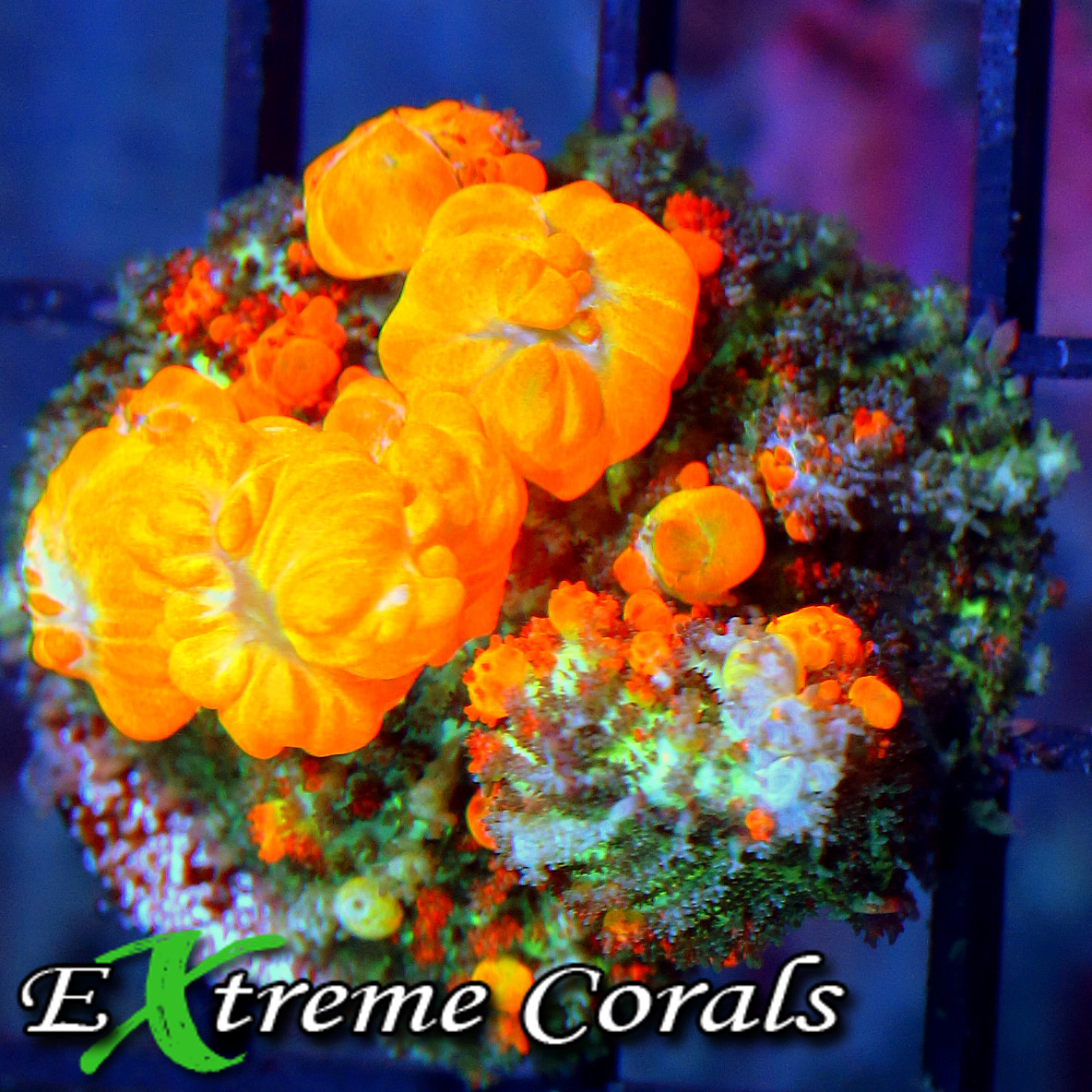
The value of a premium mushroom usually comes from a combination of traits: unusual color, contrast between the oral disc and outer tissue, the size and uniformity of vesicles, the way the pattern changes as the animal grows, and the reliability of its lineage. In a Bounce mushroom, the inflated vesicles may be large, rounded, and evenly distributed, or they may form a distinctive pattern across the disc. In a Jawbreaker, the attraction is often the development of colored spots, rings, streaks, or contrasting patches over time.
These traits are influenced by genetics, health, and the environment. Lighting can change how a coral photographs and can affect how strongly fluorescent pigments appear, but lighting does not turn an ordinary mushroom into a genetically exceptional one. A specimen that looks impressive under deep blue LEDs should also be evaluated under a balanced viewing period. A premium name should also be connected to a real lineage. When a mushroom has been propagated from a known parent, the history of that coral matters. A WYSIWYG photograph, accurate identification, and honest information about whether a specimen is a clone, a color morph, or simply a similar-looking individual help collectors make better decisions.
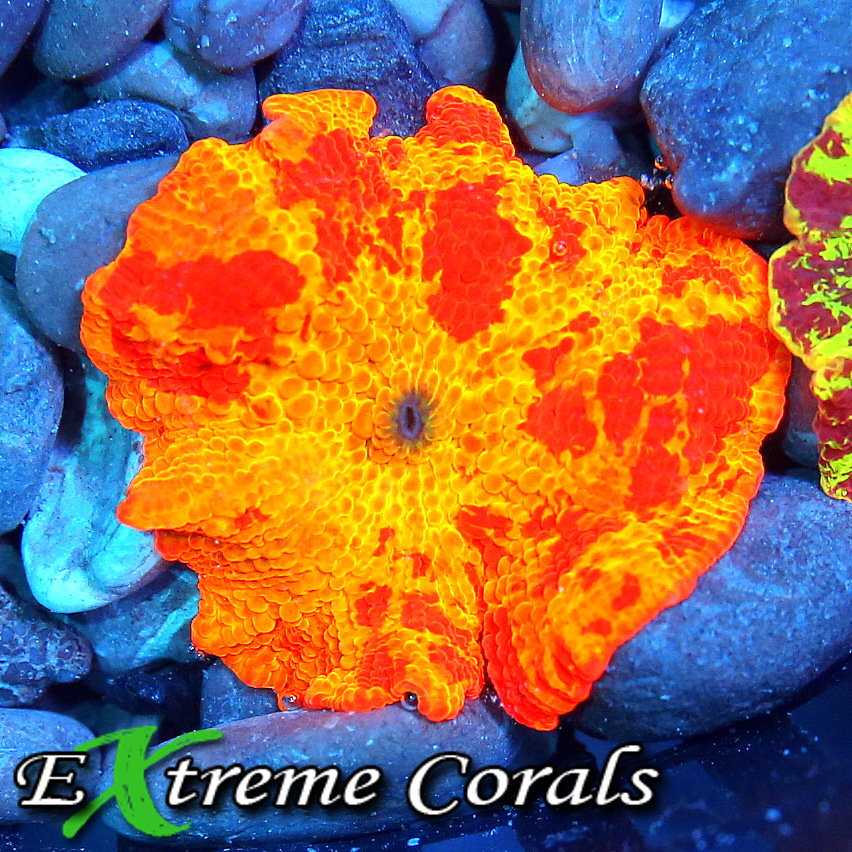
Start with stability, not intensity
Both Bounce and Jawbreaker mushrooms generally do best in stable reef water with low to moderate light. In our systems, a useful starting range is roughly 50–120 PAR, with many newly acquired specimens placed toward the lower end while they acclimate. A mushroom that stays tightly contracted, loses color, or repeatedly detaches is telling you that something about its placement or environment needs to change.
A sudden move from a dim holding system to a bright display can cause a mushroom to remain closed for days, shrink, or release its attachment. I prefer to begin a new specimen in a lower, sheltered location and increase exposure only if the animal is consistently expanding and maintaining its color. A blue-heavy LED spectrum often shows fluorescence and can help a collector see the coral’s visual potential, but it should not be used as a reason to place a mushroom directly under the most intense part of a fixture.
Flow should be gentle and indirect. The goal is enough movement to keep detritus from settling on the coral and to exchange water across its surface. A stream aimed directly at a Bounce or Jawbreaker can keep the animal folded, damage delicate tissue, or cause it to detach and drift. A broad, oscillating current that produces slow movement is usually better than a narrow jet.
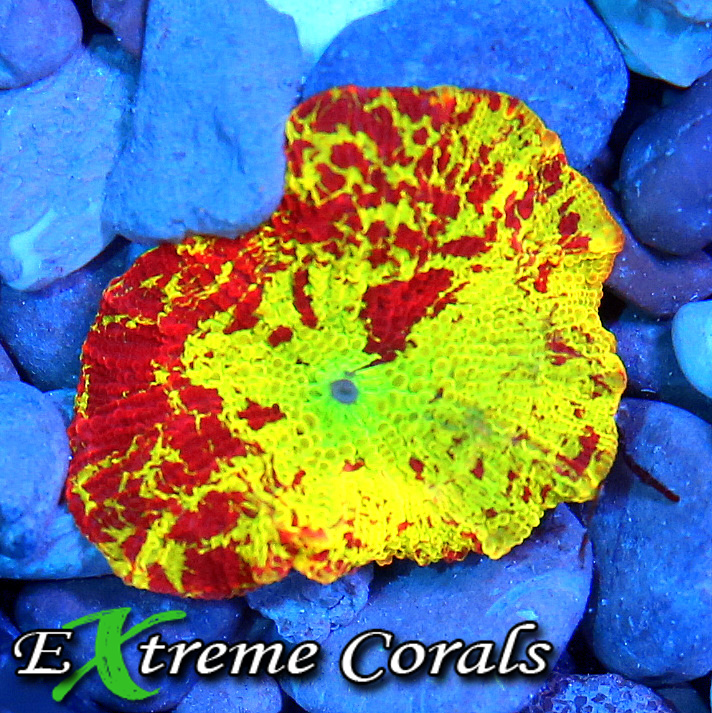
Placement: give the coral control of its future
I commonly place high-end mushrooms on a small piece of rubble, a removable tile, or an isolated rock island. A sandbed can work well when the coral has a stable surface nearby, but loose sand is not always ideal for a specimen that is still trying to attach. The animal may be carried by flow, become buried, or settle against a neighboring coral.
Lower rockwork and shaded shelves are often good choices. Bounce mushrooms may expand dramatically when comfortable, and Jawbreakers can become surprisingly broad as their discs develop. Leave more room than the coral appears to need on the day it arrives. A mushroom that is two inches across when contracted may occupy several inches when fully inflated.
Isolation also makes future propagation easier. If a high-end mushroom is allowed to attach deep inside a complex aquascape, cutting or moving it later becomes unnecessarily stressful. A dedicated mushroom island lets the colony grow without forcing it into contact with expensive SPS, fleshy LPS, or corals that are sensitive to chemical competition.
Mushrooms are not usually known for long sweeper tentacles, but that does not make unlimited crowding a good idea. They can shade neighbors, grow over nearby surfaces, and release mucus when irritated. Space is especially important when a rare specimen is being grown for years rather than months.
Water parameters and nutrients
Mushrooms do not consume calcium and alkalinity in the way a large stony coral colony does, but they still respond poorly to unstable water. I prefer normal reef parameters maintained consistently rather than chasing a perfect number. A practical range for many systems is approximately:
- Temperature: 76–79°F
- Salinity: 1.025–1.026 specific gravity
- Alkalinity: 8–9 dKH
- Calcium: 400–450 ppm
- Magnesium: 1,250–1,400 ppm
- Nitrate: low to moderate and measurable
- Phosphate: low but detectable
The last two points are important. A tank that is stripped to zero nitrate and phosphate can leave mushrooms pale, undersized, or slow to recover. That does not mean a dirty or unstable aquarium is desirable. It means that high-end mushrooms usually appreciate a mature system with available nutrients, regular maintenance, and biological stability.
I would rather see a stable tank with moderate nutrients than a tank that swings between starvation and heavy feeding. Avoid large changes in salinity, temperature, alkalinity, or nutrient concentration. When a mushroom closes, test the water and review recent changes before assuming that the coral needs more light or more food.
Feeding: useful, but easy to overdo
Photosynthesis supplies much of the energy these mushrooms require, and a healthy specimen can live without frequent target feeding. Still, occasional feeding can support growth, especially in a mature colony that is being propagated. Small meaty foods or a fine reef blend can be offered once or twice a week.
Broadcast feeding is often the safest approach. Turn down the strongest flow, add a small amount of food to the aquarium, and let the mushroom capture what reaches it naturally. If target feeding is used, place only a small amount on the oral disc and avoid forcing food into the mouth. A large piece of food can irritate the tissue, remain trapped, or decay against the coral.
Feeding should not be used to compensate for poor lighting, unstable water, or inadequate flow. Excess food can raise nutrients and encourage nuisance algae, bacterial films, or pest populations. High-end mushrooms generally grow better when the entire system is balanced rather than when the coral is repeatedly overfed.
Quarantine and pest prevention
Quarantine is one of the best ways to protect an expensive mushroom and the rest of the reef. Every new specimen should be inspected from the top, underneath the disc, around the attachment point, and across any plug or rubble. Look for Aiptasia, Majano anemones, vermetid snails, hydroids, algae, flatworms, egg masses, and unexplained tissue damage.
A coral dip appropriate for soft corals can help remove many mobile hitchhikers, but no dip should be treated as a guarantee. Eggs can remain attached, and a pest hidden under the coral may not be exposed during the first treatment. I prefer to dip, inspect, and hold the coral in a separate observation system before it enters a display tank. A second inspection after the mushroom has fully expanded often reveals details that were hidden when it was contracted.
Pest damage is sometimes mistaken for poor lighting. A mushroom that repeatedly shrinks on one side, develops small missing areas, or shows bite marks should be examined at night with a flashlight. If the water is stable and the coral is declining without an obvious environmental cause, look for a living cause before increasing intensity or adding supplements.
Recognizing stress, disease, and tissue loss
A newly shipped mushroom may remain closed for several days. That response alone is not a disease diagnosis. Shipping can cause contraction, mucus production, temporary color loss, and a change in the way the vesicles inflate. Give the specimen clean water, gentle flow, and time to recover.
More serious signs include persistent collapse, tissue that becomes translucent or sloughs away, a foul odor, rapidly advancing bare areas, or a coral that detaches while its tissue is deteriorating. There is no single treatment that reliably cures every case of mushroom tissue loss. The first response should be to correct the environment: verify salinity and temperature, improve gas exchange, remove detritus, and make sure the coral is not being blasted by flow.
If a portion of the colony is clearly decomposing, move it to an isolated treatment container so decaying tissue does not foul the display. A gentle, manufacturer-directed coral dip may be useful as supportive care, but repeated harsh dips can damage already compromised tissue. I avoid stacking multiple chemicals or changing several environmental variables at once. A stable recovery container with clean water and moderate aeration often provides a better chance than aggressive experimentation.
When tissue loss is localized and healthy tissue remains, propagation can sometimes preserve the line. That is a salvage decision, not a routine first step. Cutting a stressed high-end mushroom adds another injury, so I would wait until the animal is strong unless the damaged area is advancing rapidly.
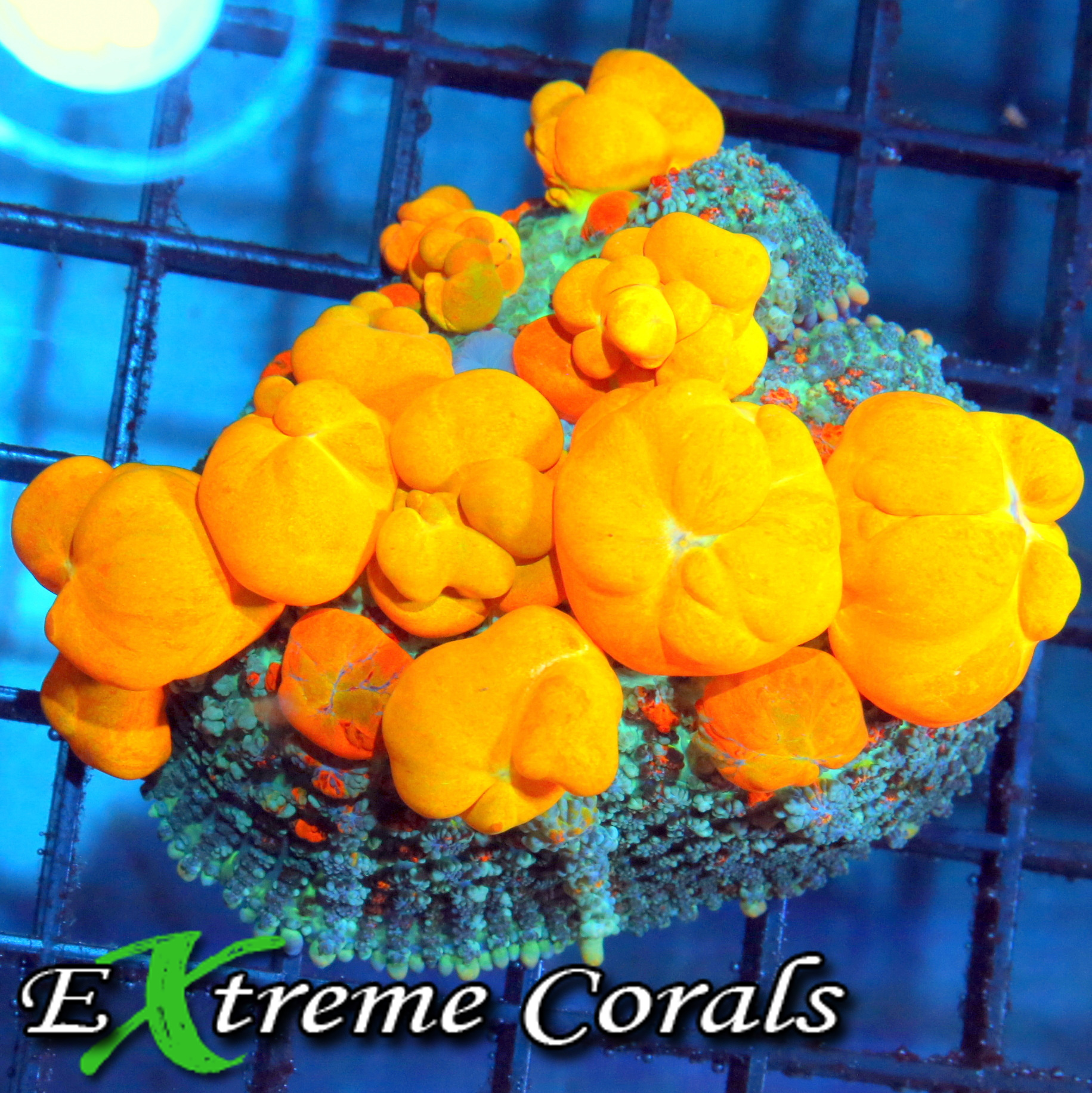
Propagating Bounce mushrooms
Bounce mushrooms can reproduce naturally by splitting, budding, or producing small daughter pieces from the edge or underside of the disc. In a stable system, natural reproduction is the least stressful method. The limitation is that it may take a long time, and the result may not provide the number of frags a collector wants.
Artificial propagation should be reserved for a healthy, established specimen. I prefer to wait until the mushroom has been settled for several months, is expanding consistently, and shows no sign of pests or disease. Use a clean, sharp blade and work in a separate container of aquarium water. The exact cut depends on the shape of the coral, but each section should contain enough tissue and, when possible, a portion of the mouth or central disc to improve its recovery prospects.
After cutting, place the pieces in a shallow container with rubble or a removable plug. Mesh or a loose cover can keep them from being carried into a pump. Flow should be gentle, and the pieces should not be repeatedly handled while they heal. Bounce vesicles may temporarily flatten after cutting, and a new fragment may look ordinary before it develops the expression associated with the parent. Do not judge the clone too quickly.
Not every fragment will develop identical vesicle size, pattern, or color intensity at the same speed. Genetics are essential, but light, nutrients, age, and stress also influence the appearance a collector sees. Record the parent colony, date, and fragment source so future buyers know what they are receiving.
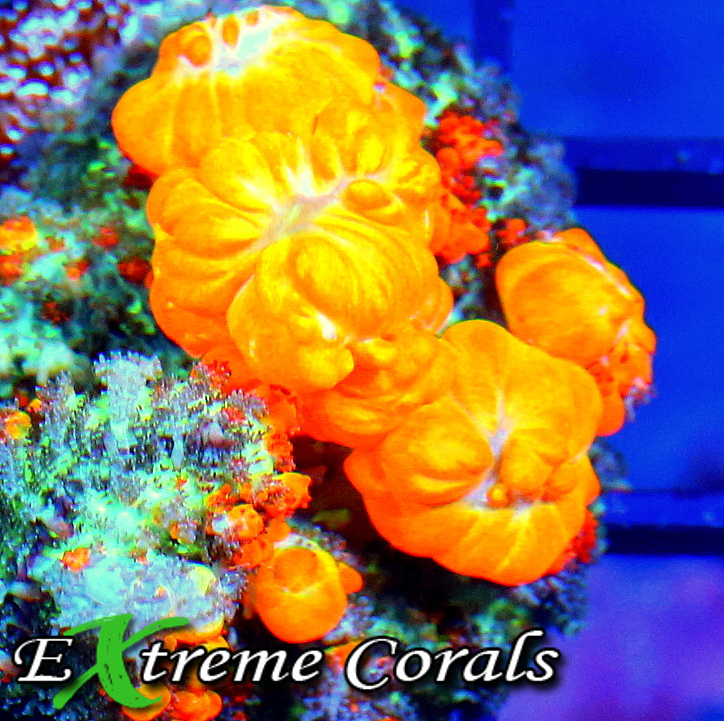
Propagating Jawbreaker mushrooms
Jawbreakers are often slower and less predictable than common mushrooms. Their color can continue changing for months or years, and a young fragment may not show the mature pattern that made the parent famous. That is part of their appeal, but it requires patience.
Natural budding is preferable when it occurs. For deliberate propagation, the same rules apply: use a healthy, fully attached coral; make clean cuts; allow the pieces to heal in a protected container; and avoid high flow while the tissue is vulnerable. Jawbreaker fragments can be particularly disappointing when they are cut too small or stressed immediately after arrival. A larger, well-healed fragment is usually a better long-term investment than many tiny pieces produced before the parent is ready.
As with Bounce mushrooms, a clone carries the parent’s genetic potential, but expression is not guaranteed on a fixed timetable. Some daughter pieces may develop spots or contrasting color earlier than others. Maintain stable conditions, photograph them periodically under the same lighting, and evaluate progress over months rather than days.
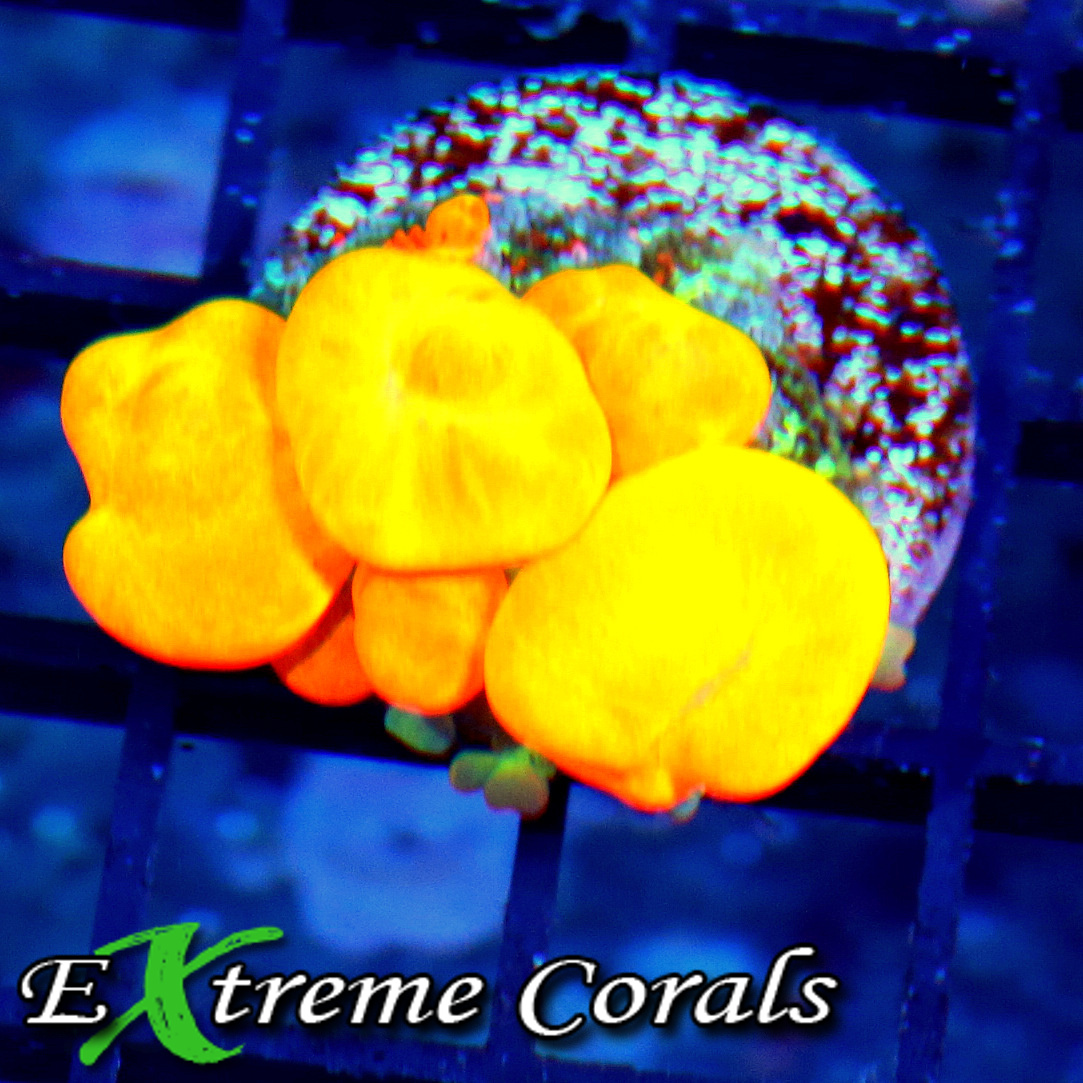
A practical approach for collectors
For a premium mushroom, I recommend a simple sequence: quarantine and inspect; begin in lower light and gentle indirect flow; keep it on a removable surface; maintain stable, measurable nutrients; feed lightly if the animal is settled; and give the colony room to expand. At Extreme Corals, our approach is built around observing the individual coral rather than forcing every mushroom into one recipe. A published PAR range is a starting point, not a command. The coral’s inflation, attachment, color, and growth tell you whether the placement is working.
Final thoughts
Bounce and Jawbreaker mushrooms are premium corals because they combine toughness with individuality. One may develop huge rounded vesicles, another may slowly paint itself with contrasting color, and a third may become valuable because its lineage produces a distinctive look that cannot be duplicated by ordinary conditions alone.
They are forgiving enough for many reef aquariums, but their value deserves careful husbandry. Stable water, restrained lighting, indirect flow, quarantine, clean propagation, and patience will do more for these corals than constant adjustment. When a high-end mushroom is given time to settle and grow, the reward is more than a colorful frag. It is a living record of a lineage developing in your reef.