

Neodymium costs driving up prices on magnets, how will the cost be passed onto the consumer?

By on Jul 09, 2011

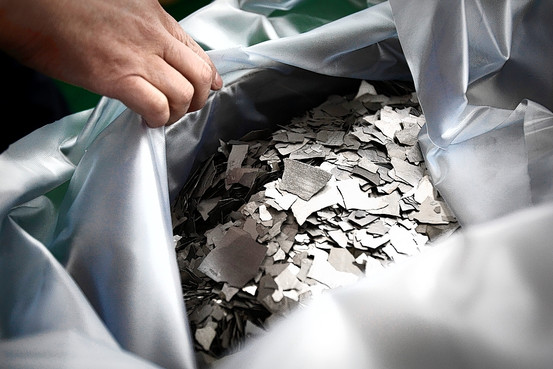
Recent news regarding the Chinese announcing plans to centralise control over its rare earth mine assets has led to increased prices for these minerals, especially neodymium used in permanent magnets we find in everything from cars to TV and most importantly to the hobby — in pump impellers, magnetic mounts and algae scrapers. The cost of neodymium has increased nearly five times its price from just six months ago.

We’ve touched on this topic before focusing more on lanthanum but as magnets are more prevalent in the hobby, we’re more likely to see the long term effect on what we pay at the checkout register.

The rising costs of the raw materials, in this case rare earth metals, is trickling down the supply chain affecting manufacturers who now have more increased costs to deal with on magnets coupled with increased fuel costs for shipping and copper costs for wiring and other electrical components. As manufacturing costs increase, hobbyists will see the effect on the final price of these types of goods they purchase.

While many products are seeing anywhere from a 5 to 15% increase in prices over the last six months, some manufacturers are keeping their pricing firm, for now. According to a representative from Hydor the additional immediate added costs for rare earth magnets and copper — both seeing significant price increases recently — led the company to make the decision to absorb these costs for now and will reevaluate down the road to try hoping to maintain consistent pricing for as long as possible.

As products contain more components the costs of magnets can be lessened but those products where a magnet is a major component — magnetic mounting brackets and algae cleaning magnets — its harder to hide that increased cost. For example, the IVS Portal attaches to your tank using magnets just like an algae cleaner. When we first viewed the product, suggested MSRP was around $65 but the costs of magnets and other materials has shifted the price to $79.99.

Domestic Chinese price (the price inside China) for Rare Earths in US$/kg. Chart via Lynas Corp.

How can China appear to have a stranglehold on the market? Numbers show China currently produces and exports 97% of the world’s supply of rare earths and the success comes largely from its loose environmental policy rules, which allow Chinese miners to dig up the minerals cheaply.

“The rising cost of Neodymium will quickly impact the aquarium hobby due to the common use of magnets and motors in aquarium equipment. As a non-Chinese based manufacturer we applaud the WTO for its recognition of this problem and recent ruling regarding China’s REM policies. We hope for a speedy correction in the market price of these materials,”  said Tim Marks, President of EcoTech Marine.

These higher rates, restriction and tariffs are not being imposed by China on domestic use of rare earth metals, so these increased prices are applied to Chinese exports only.

Despite this name, rare earths are not that rare and are found in other countries including Japan, Australia and the US but environmental policy means access is not as easy or as affordable. Don’t think the global markets and governmental bodies are oblivious to China’s tactics, recently the World Trade Organization (WTO) ruled that China is in violation of international trade regulations. While the legal ramifications get ironed out, we are not likely to see too much relief in the immediate future.

It is understandable for consumers to want to see prices remain steady but for the overall health of a business, there is only so much additional costs that can be absorbed before negatively affecting profit margins. If a company’s margins are too low and loses profitability, it can spell disaster for the not only the company but the overall health of the hobby and market.


Posted in Equipment |
Search More:  
   
  • http://www.acuaristica.com/blog/ J.J.Domínguez

    Nice to read you Brian,

    In Europe, one of the best sellers magnetics cleaners, Mag-Float from Bakkers Magnetics, is a good exemple of price raise due to this point.

    Regards from Spain

    Jose

  • http://www.acuaristica.com/blog/ J.J.Domínguez

    Nice to read you Brian,

    In Europe, one of the best sellers magnetics cleaners, Mag-Float from Bakkers Magnetics, is a good exemple of price raise due to this point.

    Regards from Spain

    Jose

  • http://www.reefbuilders.com Brian Blank

    Jose,

    Sadly this is going to affect anyone in the hobby outside of China. Hopefully WTO sanctions/ruling will help bring the market back in check. Sadly some places will use this to profit off of old inventory but I do believe most companies are trying to keep retail prices as stable as possible but have to increases pricing as costs skyrocket.

    Brian

  • http://www.reefbuilders.com Brian Blank

    Jose,

    Sadly this is going to affect anyone in the hobby outside of China. Hopefully WTO sanctions/ruling will help bring the market back in check. Sadly some places will use this to profit off of old inventory but I do believe most companies are trying to keep retail prices as stable as possible but have to increases pricing as costs skyrocket.

    Brian

  • Anonymous

    I worked for a company in the early 2000′s that used steel to make a variety of products and sadly they went out of business within a year after being in business for over 80 years due to skyrocketing steel prices. In that case, it was the good ole USA that was price gouging because they new China wanted the steel and would pay a premium, unfortunate side effect was a lot of smaller businesses in the US went bankrupt due to greed of the steel industry. This just seems like payback.. now China has a metal the rest of the world wants and is going to jack up the prices just like we did to them a decade ago. It sucks for consumers, but that is the nature of supply and demand.

    http://www.meps.co.uk/viewpoint8-04.html

  • http://pulse.yahoo.com/_3LLNDZ5XJ6ZQ76J2VLDUQD5WOA Micheal

    Sweet, maybe China will simply continue to do stuff like that and we find out it isn’t economically favorable to export labor there any more…. *sigh* fat chance I’m sure.

  • http://pulse.yahoo.com/_4FVXKOUOOYXEOPKO4Y3PK2JCRI J.T.

    I read recently that there were VERY high amounts of rare earth metals in the sea floor around Hawaii and Japan and that it isn’t going to be very difficult to harvest it.  This will provide some relief and, IIRC, the potential amount of material dwarfs all of what China has in proven reserves.

  • http://www.nanocustoms.com/ clive@nanocustoms

    This is true, but it’s going to take a considerable amount of time to build up the infrastructure to start using those mineral deposits. It won’t come fast enough to change what is happening at this time. It will be nice a few years down the road when you have competing markets forcing the prices to be more stable, and possibly lower.

  • http://pulse.yahoo.com/_3IWJK7ONOXNBYKPFB26NIOMUXQ CherryChan

    100% agree with you, some people have no idea how expensive it is to harvest minerial from the bottom of the ocean. Cruel oil is already very hard to harvest from the bottom of the sea (and poses environmental hazards like the Mexican gulf incident) but at least all you need is to pump them up, but mining mineral ore from the bottom of the ocean would involve billions of dollars of infrastructure and the end product would be very expensive.

    Another interesting point, quoting from the original article:
    “…rare earths are not that rare and are found in other countries including Japan, Australia and the US but environmental policy means access is not as easy or as affordable…”

    So basically the world had enjoy the low cost rare earths because the industry exploited loose environmental policies in China, which causes long term pollution to the environment, so that the world can obtain such rare earths at a low costs.

  • Richard Franquinet