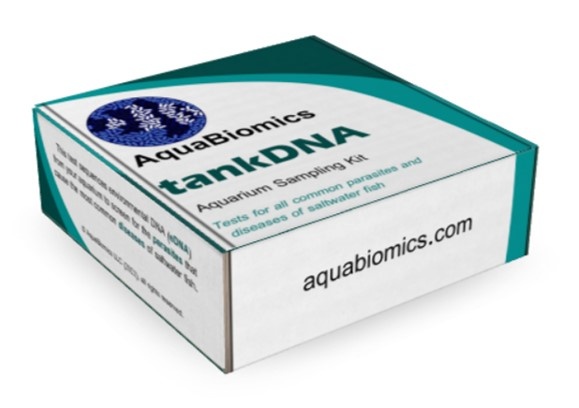
The saltwater aquarium community relies on various test kits, refractometers, and ICP tests to manage home reef ecosystems. In recent years, however, a quiet revolution reshaped how aquarists understand their tanks: the study of the marine microbiome. At the forefront of this movement was AquaBiomics, an innovative laboratory service founded by coral biologist Dr. Eli Meyer. By leveraging high-throughput DNA sequencing, AquaBiomics allowed hobbyists to peek beneath the surface, profiling beneficial bacterial communities, identifying hitchhiking parasites, and diagnosing stubborn tank ailments at a genomic level.
In July 2026, AquaBiomics announced that it will permanently cease operations by the end of the summer. The decision marks a closing chapter for a service that fundamentally altered how advanced reefers understood biological diversity and pest management. The service itself was plagued with delays and a lack of actionable tasks for the reef keeper.
Understanding the Decision
According to founder Eli Meyer, the closure stems not from a lack of interest or failure of technology, but rather from the difficult economic realities of scaling a niche, highly specialized scientific service.
| Key Factor | Operational Challenge |
|---|---|
| High Sequencing Costs | High-throughput DNA sequencing requires expensive reagents, specialized machinery, and ongoing laboratory overhead. |
| Niche Market Size | While popular among dedicated hobbyists, high-end genomic testing represents a small segment of the broader aquarium industry. |
| Scalability Bottlenecks | Balancing competitive pricing for consumers while maintaining rigorous scientific standards proved economically difficult to sustain long-term. |
Despite these operational hurdles, the mission of AquaBiomics was overwhelmingly successful in terms of scientific discovery. Over its operating lifetime, the lab processed thousands of samples, cataloging the microbial diversity of aquariums around the world and giving hobbyists actionable insights into biological dosing, live rock cycling, and disease prevention.
Important Deadlines for Reefers
To ensure a smooth wind-down, AquaBiomics outlined a clear schedule for existing customers holding unused testing kits or looking to place final orders:
- August 15, 2026: Hard deadline to return all water and swab samples to the lab for processing.
- August 31, 2026: Final day for sales of Live Reef Sand and Live Rubble, marking the official close of the business.
Note for kit holders: Unprocessed samples returned after August 15 will not be analyzed, so aquarists with unused kits on their shelves should mail them immediately.
What AquaBiomics Leaves Behind
The closure leaves a temporary void in accessible DNA sequencing for private aquarists, but its legacy is secure. AquaBiomics demonstrated that microbial diversity is an important aspect to coral health as alk, calcium, and magnesium levels. By proving that aquarium ecosystems could be analyzed down to the bacterial genus, AquaBiomics elevated our reef keeping knowledge. We look forward to observing who might step into this space, hopefully with both a sound business plan and actionable advice for our aquariums.
While hobbyists bid farewell to a unique service, the underlying lesson remains: a thriving reef tank begins with a healthy, diverse microbiome.