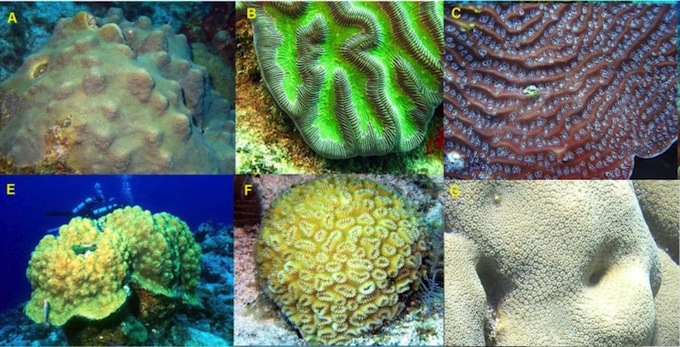
Breaking: NOAA announces the proposal to list 66 stony coral species as endangered or threatened

By on Nov 30, 2012

Just hours ago NOAA and the National Marine Fisheries Services (NMFS) made public their intention to move forward with the proposal to list 66 species of stony corals under the Endangered Species Act (ESA). You may recall that three years ago the Center for Biological Diversity petitioned to have 83 species listed as threatened or endangered. Of those 83, the NMFS found 82 of them warranted further investigation and a significant number of them will be listed as endangered or threatened later next year.

More specifically:

12 of the petitioned coral species warrant listing as endangered (five Caribbean and seven Indo-Pacific), 54 coral species warrant listing as threatened (two Caribbean and 52 Indo-Pacific), and 16 coral species (all Indo-Pacific) do not warrant listing as threatened or endangered under the ESA.

We’re working hard to uncover exactly which species, especially common aquarium species fall under this endangered listing proposal. We don’t have too much concern for the Caribbean stony corals from an aquarist point of view since those are already banned from collection by a variety of mechanisms. That leaves 59 Pacific Ocean stony corals which could fall under serious restrictions or collection, culture, import, sale and even possession for the endangered species. The press release from NOAA regarding this proposal explains part of what this listing means:

Listing species as endangered does not prohibit activities like fishing or diving, but prohibits the specific “take” of those species, including harming, wounding, killing, or collecting the species. It also prohibits imports, exports, and commercial activities dealing in the species. These protections are not automatic for species listed as threatened, but can be established for them as well.

Even if a single of the proposed endangered species of coral is an Acropora or Montipora, which is very likely, whop is going to be responsible for identifying the endangered species from unlisted ones? We can barely expect Fish & Wildlife to distinguish between a Cycloseris and a Fungia or Cyphastrea from Astreopora so how could we expect any non-expert to tell the difference between two species of Acros?

This move to list so many corals under the ESA is going to have very broad consequences for reefers and every day Americans. Not the least of which certain species of corals will be difficult if not impossible to be imported into the U.S. (even though no stony corals are wild-harvested in American waters) even if they are sustainably cultured in far flung regions of the world.

Furthermore, under the ESA the American government has some responsibilities to protect endangered species and since climate change is one of the main factors of stony coral decline, this means that protecting theses corals will mean addressing the emission levels of Green House Gases. Who knows, this could be a veiled attempt for conservation groups to strong-arm the government into doing something about climate change but in the meantime we’ll dig up more on how the final listing will impact us reef aquarists, the coral growers who are more intimately familiar with many of these coral species.

[via National Marine Fisheries Service]

Update 4:11pm EST: The five species of Caribbean stony corals proposed to be listed as “Endangered” are Agaricia lamarcki, Mycetophyllia ferox, Dendrogyra cylindricus, Dichocoenia stokesi and the Monstastrea annularis species complex including M. annularis, M. faveolata and M. franksi. Additionally, the petition re-evaluated the status of the two Caribbean Acroporids including Acropora palmata and Acropora cervicornis – these last two will go from Threatened to Endangered listing status for a total of nine endangered species of stony corals in the Caribbean.
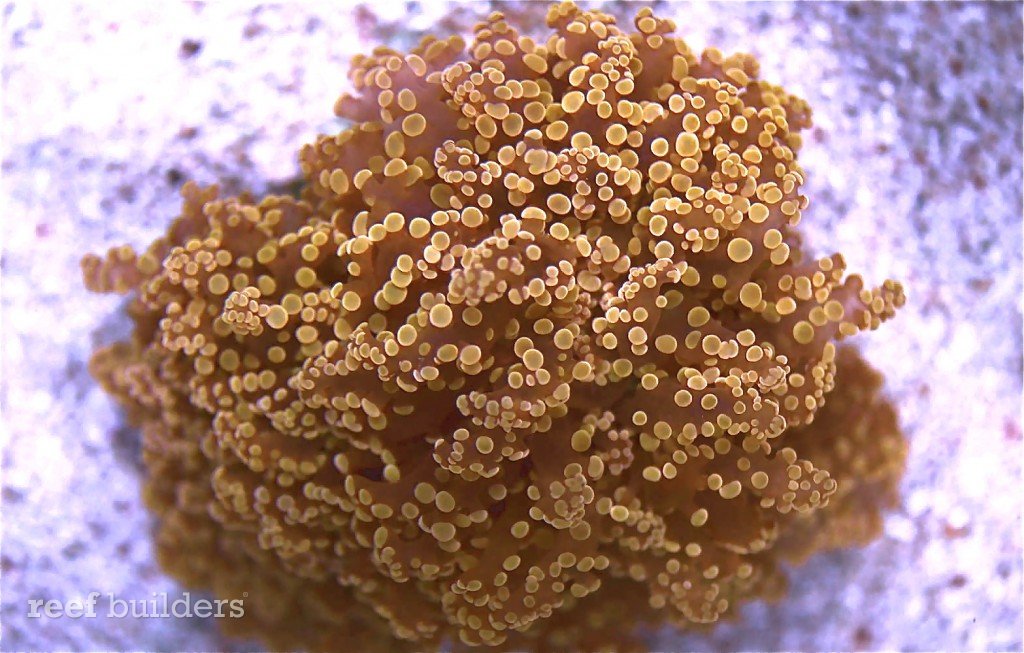
If Euphyllia paradivisa is listed as endangered it coudl become illegal to even propagate the species through fragging

Update 5:00pm EST: The Pacific species of stony corals proposed as Endangered include aquarium favorites Acropora lokani, Acropora jacquelinae and Euphyllia paradivisa aka branching frogspawn. We’re looking at pieces of our own Lokani and Branchy Frogspawn as we write this, thinking how weird it would be that if these do become listed, it may be illegal for us to frag, sell or gift these species and if we move to another state, technically we’d be breaking the law if we took them with us. Crazy!

The proposal to list Acropora lokani as “endangered” is based on the only available data regarding this species – in one single scientific research paper. Photo The Coral Nursery


Posted in Marquee, Reef News |
Search More:  
   
  • Steven

    and YOU DILDOS invited them to MACNA…………

  • Titus_00
  • CaliReefer

    Thanks for posting that. A few came as a surprise to me, like the Frogspawn (Euphyllia paradivisa), A. Lokani, and Pocillopora because those 3 are pretty common within the hobby.

    So what does this mean? Are all Frogspawn corals at risk of becoming a thing of the past in reef tanks? Another question, is that a special type of pocillopora because to me the ‘hawaiian’ variety grows like a weed in my tank, babies pop up all over the place, and it is the main coral they watch spawn in the wild in Hawaii so I always thought that one was a super hardy coral, but maybe I am wrong about that.

  • http://www.facebook.com/profile.php?id=508021671 Albert Dao

    Unfortunately, oceanic acidification and other climate change-borne problems (see Hawaii’s plight with their mystery ooze) don’t care about how well corals do in our aquariums :(

  • CaliReefer

    I am confused by your reply. Are you making an argument for why we should be allowed to keep these endangered corals in our tanks?

    After a quick google search, the pocillopra on the list is a different type from the Hawaiian variety which is Pocillopra Meandrins. It doesn’t seem like the pocillopora that is threatened is one that is common in the hobby.

  • http://www.facebook.com/wayne.oxborough Wayne Oxborough

    Well I don’t want to seem alarmist, but the presence of the Acro. jacqulinae and rudis will cause a lot of headaches. They are similar in appearance to many more common acros – will all of these need to be examined sampled to positively id that they are NOT the endangered species? ID of Acropora can be challenging with live examples.

  • http://www.facebook.com/profile.php?id=508021671 Albert Dao

    Oh, no, lol!

    I was responding to your point about the Pocci’s being hardy in our tanks vs. their listings on these lists.

    It is an odd fine line. One one hand, I don’t believe that any listed species should be put into captivity, given the nature of the threat they’re facing, one would wonder if they’re not better off with a wholly sustainable captive population — one that is both economically incentivized and isn’t hampered so severely by legal red tape…?

  • TerenceF

    Another interesting issue is what would they have everyone do who currently has these corals in their aquariums – toss them in the garbage? Or, is there going to be some sort of grandfathering of existing coral in the hobby? And if the latter is true, how could they manage this? And then to further complicate things, many people will not want to be caught with a banned species but at the same time not want to kill it – so they will take it down to the beach in Florida and toss it in the water…hmm…more non-native species issues?

  • CaliReefer

    I think we (as a hobby) are still a little ways off from your idea, but my thinking follows the same logic. If corals are threatened in the wild and we have shown to be able to successfully grow them artificially, it sounds like there is a nice program to be created for this purpose. 1. Don’t take any more of the endangered species from the ocean, but 2. create a program to which someone reputable oversees the distribution and collection of the captive variety. In the case of Frogspawns, take some captive bred specimens and frag them out/give them to other reputable reefers/institutions with the idea that once a year (or whatever timeline works best) you frag 50% of that coral and send it back to the originator to be used for the purpose of re-seeding the reefs to where those corals belong.

    It sounds easy saying it, but the logistics right now would be a nightmare. Still something I think is worthy to strive for as long as the people that know better than I believe it is feasible. I understand there are a lot of factors involved like coral diseases, parasites, etc. being introduced into a non native area so it isn’t as simple as we would hope it to be. With where we are at today in this hobby I feel the hobby can actually provide a great help to natures reefs if someone would setup a sustainable program for it, something I don’t think could have been said just a couple decades ago.

  • CaliReefer

    Excellent point! It happens all the time now (corals and fish being mislabeled from the source) so without better education at the collection point this could cause a lot more headaches for everyone. Imagine being a wholesaler in the US and you get a shipment of corals, everything on the shipping list is legal, but some customs inspector questions one coral because it looks similar to one that is endangered… will customs do what they normally do, hold the entire shipment and kill it all just because they didn’t know what they were looking at? Will they mistake a hammer/anchor coral for a frogspawn? Just the thought of that really worries me.

    I am all for protecting the things that need protecting and punishing those who don’t follow the rules, but with something like corals, there are so many ways this could end badly for them and a narrow window for which things can work out good. I really hope there is a good plan in place on the enforcement side of the law to ensure corals are not killed in the name of protecting said coral.